
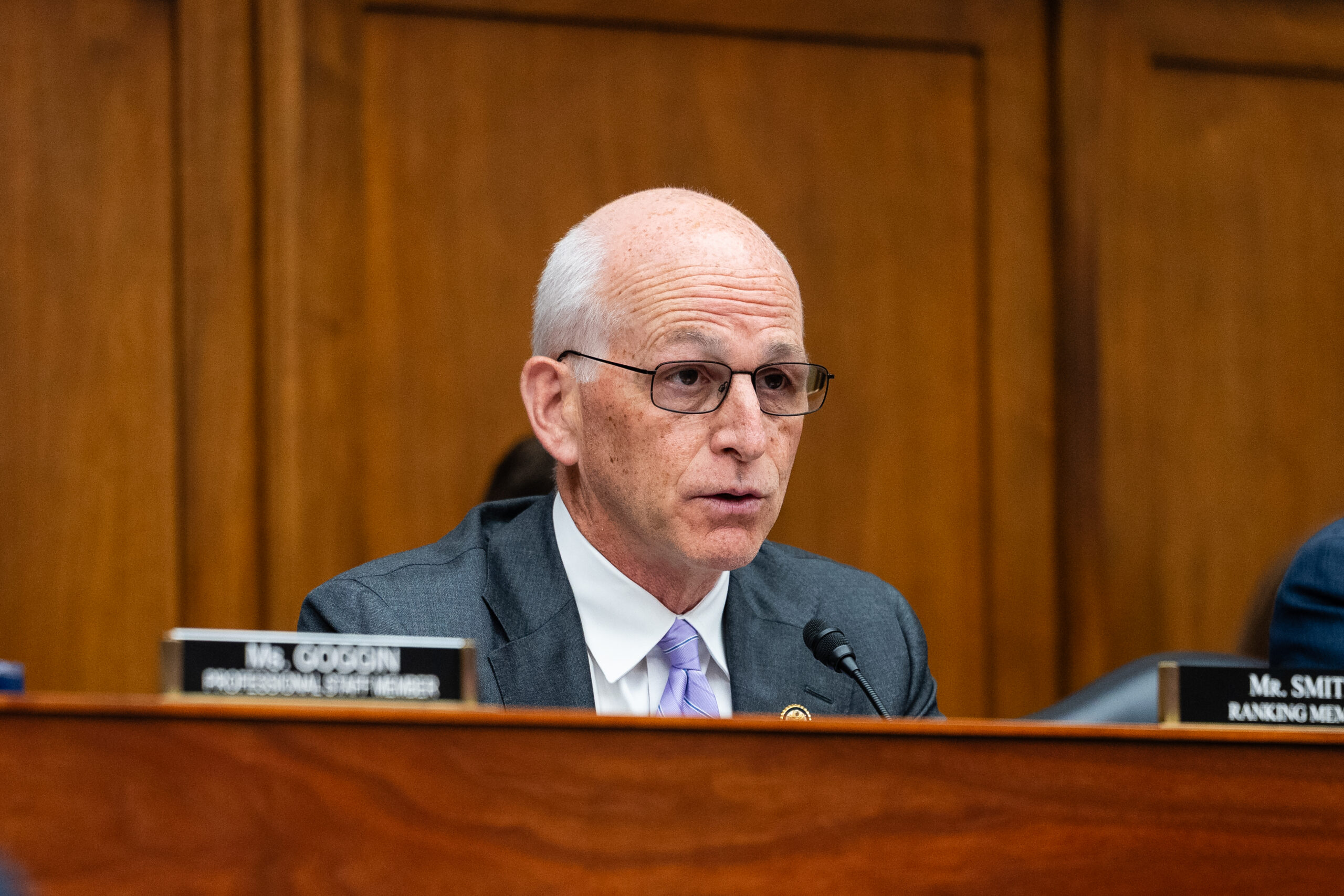
Rep. Adam Smith (D-WA), the leading Democrat on the House Armed Services Committee, has recently announced his intention to endorse efforts aimed at eliminating a provision concerning U.S.-Israel cooperation from the 2027 National Defense Authorization Act (NDAA). This marks a significant shift from his earlier strong opposition to similar initiatives during the committee’s markup of the legislation.
Background on the U.S.-Israel Cooperation Provision
The provision in question stems from the FUTURES Act and is primarily procedural. It designates a single official to supervise all U.S.-Israel cooperative programs related to defense technology acquisition and development. This is a continuation of existing frameworks rather than the introduction of new mandates. However, some critics have raised unfounded claims that this amendment would inextricably intertwine American and Israeli military operations and compromise U.S. sovereignty.
During earlier discussions, Smith asserted that the critics’ characterizations of the provision were misleading. He emphasized that this provision should not be misconstrued as a referendum on the broader U.S.-Israel relationship. Despite this, he has now expressed support for its removal.
Shift in Smith’s Position
In a recent communication to his constituents, Smith indicated his change of heart. He mentioned that while he previously opposed the elimination of Section 224 due to its perceived benefits in improving U.S. anti-drone and anti-missile technologies, discussions with constituents led him to reconsider. “I still believe that Section 224 primarily benefits the U.S.,” he stated. However, he acknowledged that the provision encapsulates concerns beyond mere technological advancement in defense.
Smith’s revised stance appears to stem from Israeli actions in conflict zones like Gaza, the West Bank, Lebanon, and Iran. Notably, just weeks ago, he cautioned against withdrawing from technological cooperation with Israel simply because of disagreements over its current approach. Yet, Smith now argues that in light of ongoing conflicts, the implications of Section 224 transcend its literal text.
Advocating for Peace and Reassessment of Support
Expressing his evolving perspective, Smith emphasized the need for peace and urged Israel to collaborate meaningfully with regional partners to resolve conflicts. “I cannot support endless conflict even though I support Israel’s right to exist,” he remarked, underscoring his commitment to advocating for change. He has pledged to vote for the removal of Section 224 from the NDAA when it is brought to the floor for a vote.
In his communication, Smith pointedly critiqued Israeli policies and noted that feedback from his constituents had significantly influenced his shift in viewpoint. This highlights a growing trend where grassroots movements within traditionally pro-Israel districts are nudging lawmakers toward a more critical stance on Israel-related policies.
While Smith had previously indicated that the amendment would enhance U.S. military capabilities through access to Israeli innovations, his current position reflects a deeper examination of the implications of continued support amidst ongoing hostilities. His earlier remarks on the existing cooperative frameworks stressed that the amendment wasn’t an acquiescence to Israeli demands, but rather a mutual benefit.
Overall, Smith’s newfound support for stripping this provision from the NDAA suggests that a considerable faction of Democrats may similarly align against it. The dynamics of grassroots advocacy are reshaping discussions about American foreign policy, particularly regarding Israel, signaling a potential shift in legislative attitudes as the landscape evolves.