
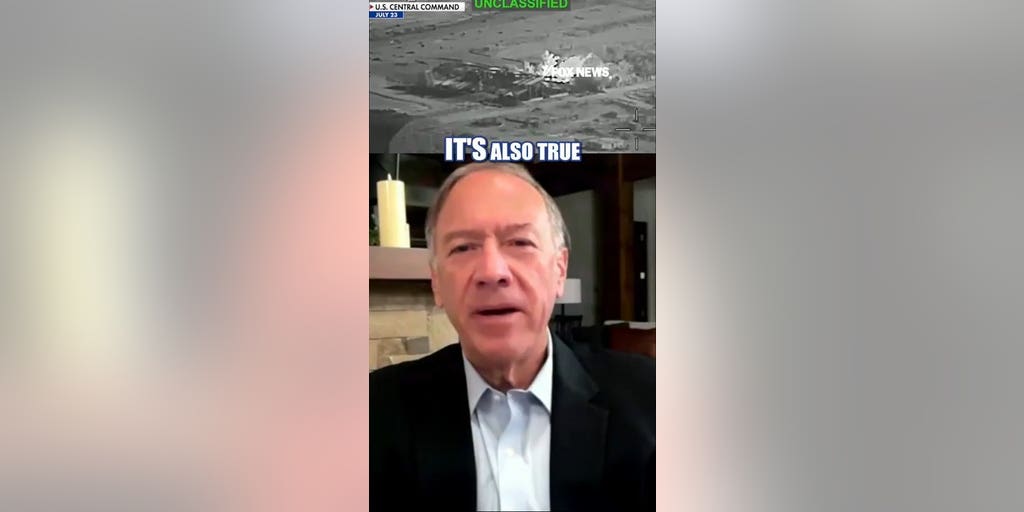
Former Secretary of State Mike Pompeo recently engaged in a discussion on ‘Fox & Friends’ regarding the possibility of a deal with Iran under President Donald Trump. Pompeo raised concerns about the likelihood of Iran’s Islamic Revolutionary Guard Corps (IRGC) violating any agreements that may be reached.
The Risks of an Iran Deal
The prospect of striking a deal with Iran has long been a contentious topic in U.S. foreign policy. Critics, including Pompeo, argue that any agreement would be undermined by Iran’s longstanding history of non-compliance with international standards. The IRGC, as a key military and political entity in Iran, is particularly notorious for its aggressive behavior and disregard for accords. Pompeo emphasized that history demonstrates the IRGC’s propensity to ignore commitments, raising serious questions about the viability of ongoing negotiations.
Concrete examples from previous negotiations highlight the challenges of trusting Iran’s promises. Under the Obama administration, the Joint Comprehensive Plan of Action (JCPOA), often referred to as the Iran nuclear deal, was designed to curb Iran’s nuclear ambitions. However, violations of the terms occurred, leading to a loss of faith in Iran’s willingness to adhere to international agreements. Given this track record, Pompeo’s warnings resonate—in a new deal, the fear would be that the IRGC might immediately disregard its stipulations, ultimately jeopardizing regional and global security.
Why Diplomatic Solutions Are Complicated
Navigating diplomatic relationships with Iran is a complex endeavor. Various factions within Iran hold differing views on engagement with the West. The IRGC, which wields significant influence over Iran’s military operations and foreign policy, often adopts a hardline stance. This divergence within the Iranian political landscape complicates any potential deal, as it is difficult to ascertain who would be accountable for upholding the agreement.
Moreover, the geopolitical ramifications of a deal with Iran extend beyond its borders. Allies in the region, such as Israel and Saudi Arabia, remain skeptical of any agreements with Iran due to its perceived threats. This lack of regional consensus poses an additional hurdle for any diplomatic efforts, as these nations seek to protect their security interests against potential Iranian aggression.
Conclusion: A Cautious Approach to Diplomacy
In summary, the dialogue surrounding a potential Iran deal is fraught with uncertainty. Mike Pompeo’s analysis serves as a crucial reminder of the complexities involved in negotiating with a nation whose military apparatus, like the IRGC, has a history of flouting agreements. As such, any future negotiations will require a cautious and well-informed approach that takes into account not only the immediate benefits but also the long-term implications for regional stability and international relations. The stakes are high, and the potential for missteps is significant, making the current discussions particularly critical for policymakers and strategists alike.
Ultimately, while diplomacy may offer a pathway to manage tensions, the risks outlined by Pompeo and others need careful consideration. The history of the IRGC’s actions suggests that any agreement reached should be approached with a healthy dose of skepticism and an awareness of the underlying dynamics at play. The challenge remains to find a balanced approach that seeks peace while remaining vigilant about Iran’s military posture and intentions.