
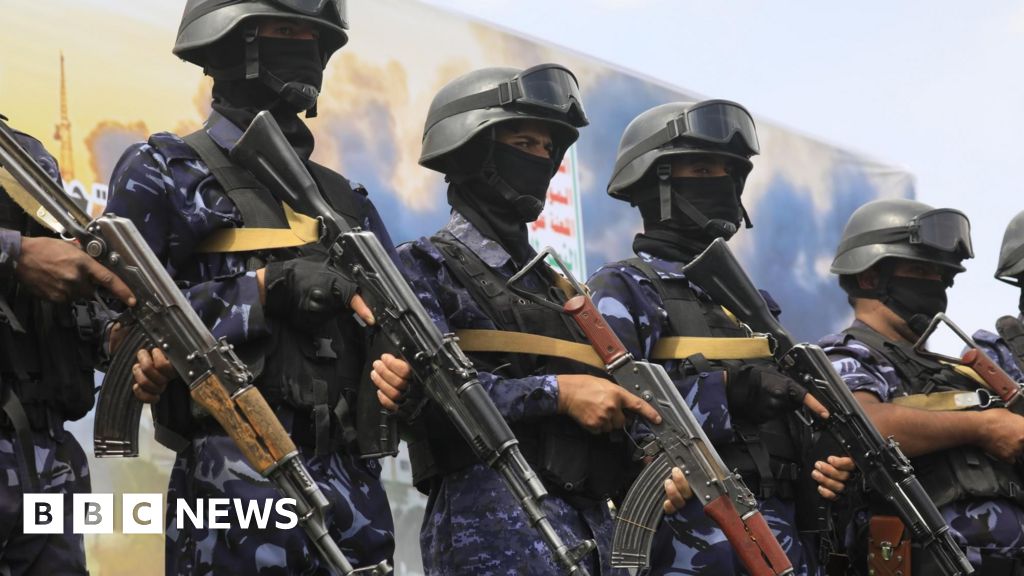
The ongoing conflict in Yemen continues to escalate, with the Houthis recently announcing retaliatory actions targeting Saudi Arabia. These developments underscore the complex dynamics between the involved parties and the persistent volatility in the region.
Houthi Attacks on Saudi Positions
In a bold announcement, the Houthi movement declared that it had initiated missile and drone strikes aimed at what they termed “Saudi military build-ups” located in the central Yemeni provinces of Marib and Hadramawt. This action highlights the group’s strategic military objectives, as they respond to perceived threats from Saudi forces. The Houthis, a significant actor in the Yemeni conflict, have consistently utilized drone technology and missile capabilities to assert their position and deter further escalation from their opponents.
Implications for Regional Stability
The Houthi assaults raise critical questions regarding the stability of the region. Saudi Arabia, having played a pivotal role in the Yemeni civil war since 2015, has been facing increasing challenges in subduing Houthi advances. The conflict has not only inflicted severe humanitarian crises on Yemen but also destabilizes the broader Gulf region. The recent escalation could provoke a renewed cycle of retaliatory actions, further complicating peace efforts. Both sides’ unwillingness to seek a diplomatic resolution exacerbates the situation and prolongs the suffering of countless civilians caught in the crossfire.
The Role of International Stakeholders
Global powers are closely monitoring these developments. The U.S., among other nations, has remained engaged in diplomatic discussions aimed at mitigating the conflict. However, their influence has been limited, given the entrenched positions held by both sides. International involvement is critical, as it could facilitate negotiations and encourage a ceasefire. Nevertheless, the Houthis’ steadfast resolve and the Saudi coalition’s commitment to military intervention create a challenging environment for peace negotiations. The international community must navigate these complex interactions carefully to foster dialogue and potentially end the hostilities.
Humanitarian Crisis Escalation
As military actions continue, the humanitarian crisis in Yemen only deepens. Millions are already suffering from food insecurity, lack of medical care, and inadequate shelter. Each new wave of conflict worsens the living conditions for civilians, making it crucial for humanitarian organizations to provide aid amidst the chaos. The United Nations has repeatedly called for a ceasefire to allow humanitarian efforts to reach those in need. Without a significant shift in the current trajectory, the plight of the people in Yemen will only worsen, stressing the urgent need for immediate intervention.
In summary, the Houthis’ recent military actions against Saudi Arabia signify a critical juncture in the Yemen conflict, raising alarms about regional stability and the humanitarian situation. As international stakeholders weigh their options, the focus must remain on fostering effective dialogue to navigate toward a peaceful resolution. The implications of the ongoing conflict resonate far beyond Yemen’s borders, making it imperative for the international community to engage with urgency and commitment.