
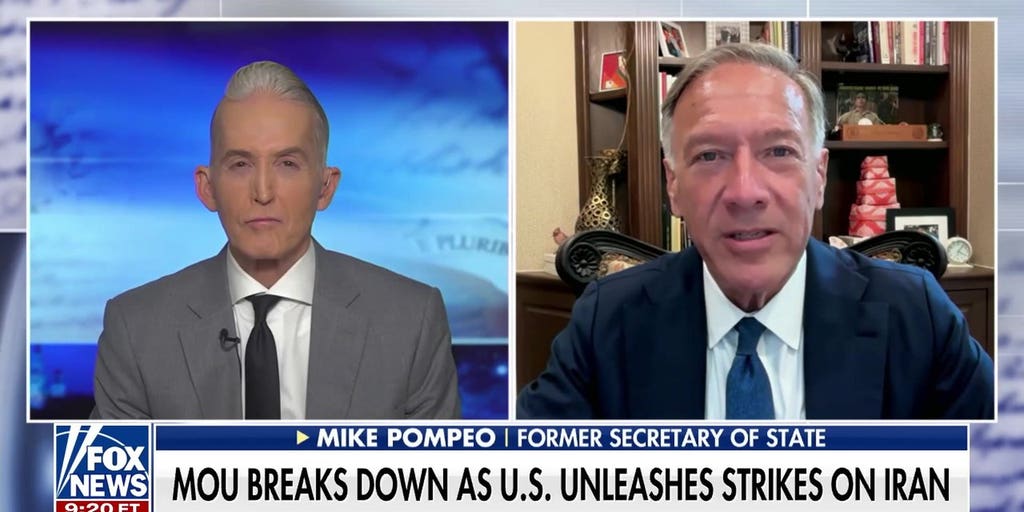
Former Secretary of State Mike Pompeo recently weighed in on the significant legacy of Senator Lindsey Graham and the implications of U.S. military actions in Iran, following President Donald Trump’s announcement that the ceasefire had ended. This discussion highlights the complex dynamics of U.S. foreign policy and the ongoing tensions in the Middle East.
The Impact of Lindsey Graham’s Political Influence
Senator Lindsey Graham of South Carolina has long been a prominent figure in American politics, particularly regarding national security and foreign affairs. His advocacy for a robust military presence abroad and support for military interventions play a crucial role in shaping public and governmental perspectives on international threats. As a close ally of former President Trump, Graham often echoed the administration’s tough stance on nations like Iran, emphasizing the necessity of a proactive U.S. approach to ensure national security.
Pompeo’s comments underscore how Graham’s influence extends beyond mere policy advocacy; he embodies a voice for a segment of the Republican Party that prioritizes strong military action as a deterrent against perceived threats. The senator’s consistent promotion of aggressive tactics against hostile nations has contributed to a broader narrative within the GOP regarding the importance of foreign policy robustness. This approach resonates with many who view military strength as essential for maintaining global stability.
U.S. Military Actions in Iran: A New Chapter
The U.S. strikes on Iran have sparked renewed debates about American involvement in the Middle East. After President Trump declared the ceasefire over, many critics argued that this action could exacerbate tensions and potentially lead to larger conflicts. The criticism raises important questions about the effectiveness and morality of using military force to achieve diplomatic goals. Pompeo, however, maintains that such actions are necessary for safeguarding U.S. interests and deterring aggressive behavior from nations like Iran.
The complexity of U.S.-Iran relations is underscored by historical context, where a cycle of threats and retaliatory measures has often dictated the course of events. The recent military decisions are regarded by proponents as essential for asserting power over regional adversaries. Yet, amidst these tensions, advocates for diplomacy call for a more measured approach, favoring negotiations over military engagement. This ongoing debate highlights the polarizing perspectives on the best path forward in engaging with Iran and similar nations.
Challenges Ahead for U.S. Foreign Policy
As the Biden administration navigates the geopolitical landscape, the legacy of Graham and the repercussions of Trump’s policies will significantly influence future diplomatic strategies. The shifting priorities of U.S. foreign policy, including a potential pivot to focus more on domestic issues, may alter America’s role on the global stage. Balancing strong military posturing with diplomatic engagement presents a formidable challenge for policymakers.
Ultimately, the discussions surrounding Senator Lindsey Graham, U.S. military strategies, and the dynamics of power in the Middle East reflect the complexities inherent in international relations. As the U.S. reassesses its foreign policy, the legacies of influential figures like Graham will likely shape ongoing debates about how to approach national security in an increasingly complicated global environment.