
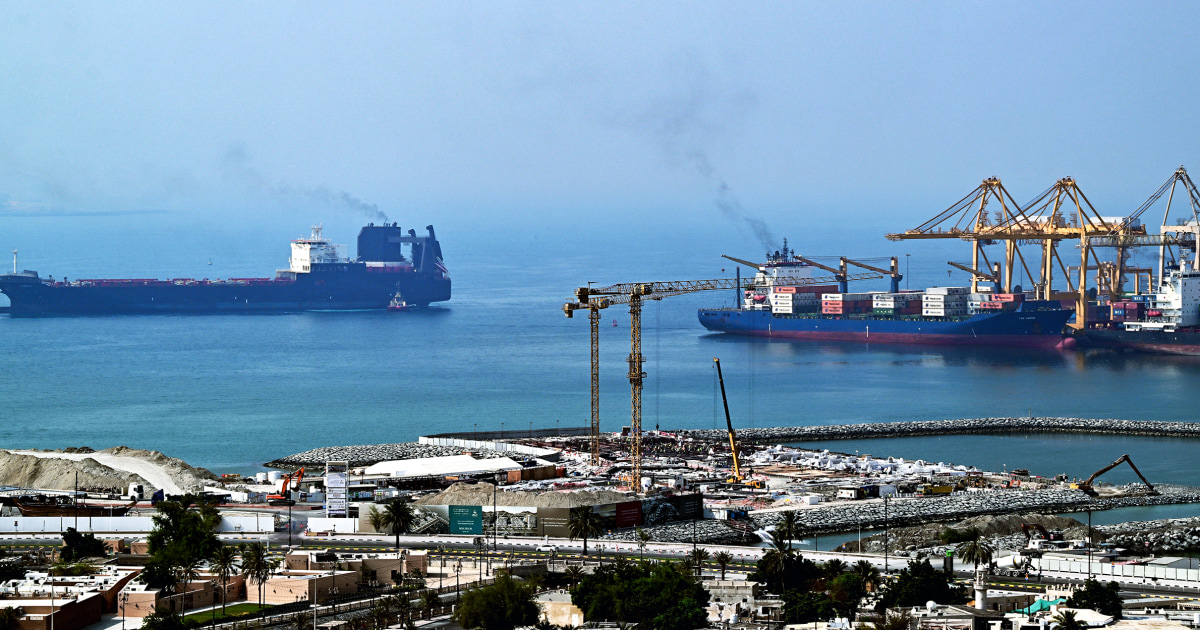
Brent Crude Prices Surge: A Market Shift
The global oil market recently experienced a significant shift as Brent crude oil prices climbed to over $95 per barrel for the first time in nearly six weeks. This remarkable increase of almost 5% signals a pivotal moment for investors and analysts observing energy sector trends. Understanding the factors behind this rise is vital for industry stakeholders as they navigate the complexities of the market.
Factors Contributing to the Price Increase
Several elements have contributed to the rising prices of Brent crude oil. One major factor is the ongoing geopolitical tensions, particularly in oil-rich regions. Disruptions caused by conflicts or trade disputes can lead to fears of supply shortages, thereby pushing prices higher. Additionally, recent decisions by major oil-producing nations to limit output have also played a critical role. These countries often adjust production levels to maintain price stability, and any inclination to cut back can significantly impact market prices.
Another factor is the global demand for oil, which has shown signs of recovery as economies rebound from pandemic-related disruptions. With increased industrial activity and travel resuming, the demand for crude oil is on the rise. Business sectors reliant on transportation and manufacturing are returning to pre-pandemic levels, further elevating the need for petroleum products. This uptick in demand has compounded with the ongoing supply constraints, leading to a more robust price environment.
Impacts on Consumers and Businesses
The spike in Brent crude prices is bound to have far-reaching consequences for both consumers and businesses. For everyday individuals, the cost of gasoline and other fuel-related expenses are expected to rise, potentially impacting household budgets. Higher fuel prices could lead to increased costs for goods that rely on transportation, thus creating a ripple effect throughout the economy. This situation highlights the intricate relationship between oil prices and consumer spending habits.
For businesses, particularly those in the energy sector, this increase can provide both opportunities and challenges. Energy companies may see an uptick in profits during times of high oil prices, allowing for potential investments in expansion or technology. However, companies that depend heavily on oil for operations could face higher operational costs, forcing them to make difficult budgetary decisions. Strategic planning will be essential for businesses aiming to adapt to the evolving landscape.
Market Outlook and Future Predictions
Looking ahead, analysts remain vigilant in monitoring the factors that could influence Brent crude prices. While current trends indicate a bullish outlook, unforeseen developments—such as changes in production levels by OPEC countries or shifts in global economic conditions—could alter the trajectory of oil prices. Investors and businesses should prepare for volatility and stay informed about geopolitical events and market signals.
In summary, the recent surge in Brent crude oil prices emphasizes the interconnectedness of global markets, impacting everything from individual consumers to multinational corporations. Understanding the driving forces behind oil prices will be essential for stakeholders to navigate this fluctuating environment. As the world continues to recover from economic disruptions, keeping an eye on Brent crude and the oil market’s dynamics will help inform strategic decisions moving forward.