
Oil prices experienced a significant decline on Monday as the United States and Iran paused their military actions, creating an opportunity for potential diplomatic discussions. This temporary cessation followed a series of intense confrontations that not only disrupted a previous peace agreement but also posed serious risks to the global economy.
Market Reaction to Diplomatic Moves
Brent crude, the international benchmark for oil prices, dropped below $90 a barrel, while U.S. crude settled around $83—both demonstrating a notable decrease of approximately 7%. Concurrently, global stock markets showed signs of recovery, with U.S. stock futures reacting positively to the news of the ceasefire. This renewed confidence follows widespread concern over escalating tensions in the Middle East, particularly around critical waterways such as the Strait of Hormuz and the Red Sea. These regions are vital for international trade, and their stability is essential for maintaining consistent oil supply levels.
Tensions in the Middle East
The Iranian and U.S. military actions had heightened fears of a potential all-out conflict, especially as the battle for the Strait of Hormuz intensified, extending to the Red Sea. Just last week, oil prices surged over the $100 per barrel mark due to concerns of conflict in these key trade routes, making their stability crucial for global markets. President Trump previously hinted at the possibility of conducting a “massive attack” to curb Iran’s influence in the Strait. However, this recent halt in hostilities raises questions about the long-term outlook for peace and oil production.
U.S. Ambassador to the United Nations, Mike Waltz, indicated that the pause in military operations was linked to ongoing negotiations. He emphasized that the aim is to allow diplomatic conversations to take shape, despite internal conflicts within Iranian leadership. However, reports of U.S. munitions shortages have surfaced, raising concerns about military readiness.
Iran’s Diplomatic Stance
In a recent press conference, Iranian officials maintained that while they are open to dialogue, they will not submit to American demands regarding the timing of peace negotiations. Foreign Ministry spokesman Esmaeil Baghaei stressed that Iran would continue to defend its interests while expressing a willingness to engage in diplomacy when advantageous. Nevertheless, he stated that the Strait of Hormuz was effectively “closed,” further complicating the situation regarding oil exports.
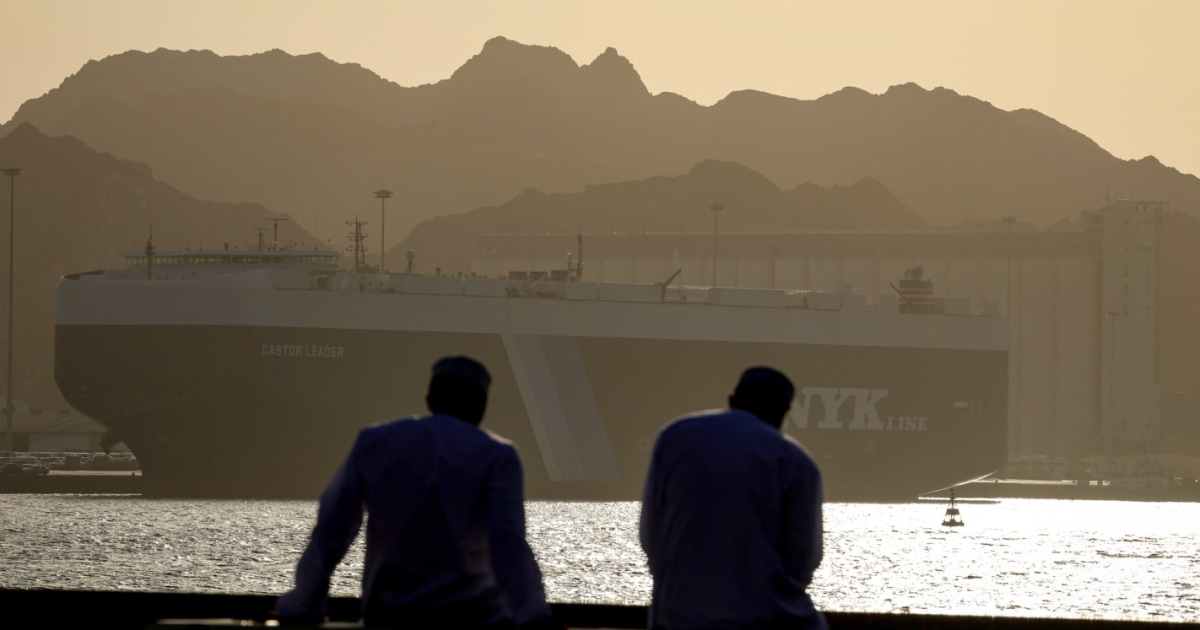
Despite the temporary ease in hostilities, shipping traffic through both the Strait of Hormuz and the Bab el-Mandeb chokepoint has been severely restricted. Recent data revealed a significant drop in maritime activity, with only a handful of vessels navigating these critical routes. Historically, this strait has been responsible for funneling about 20% of the world’s oil supply, making its stability essential for global energy markets.
Outlook for Global Oil Prices
Analysts express caution regarding potential price drops, emphasizing that while the cessation of military strikes may provide temporary relief, it does not guarantee a swift return to stable oil flows from the region. John Evans, an analyst at PVM, remarked that the market is seeking positive developments in an environment that lacks transparency. Without substantial news regarding oil supply resumption, prices will only decline if demand diminishes significantly.
Overall, the situation in the Middle East remains complex and fluid, with multiple factors influencing oil prices and market stability. As both diplomatic initiatives and military tensions evolve, the implications for global energy markets are likely to continue unfolding, making close monitoring essential for stakeholders.