
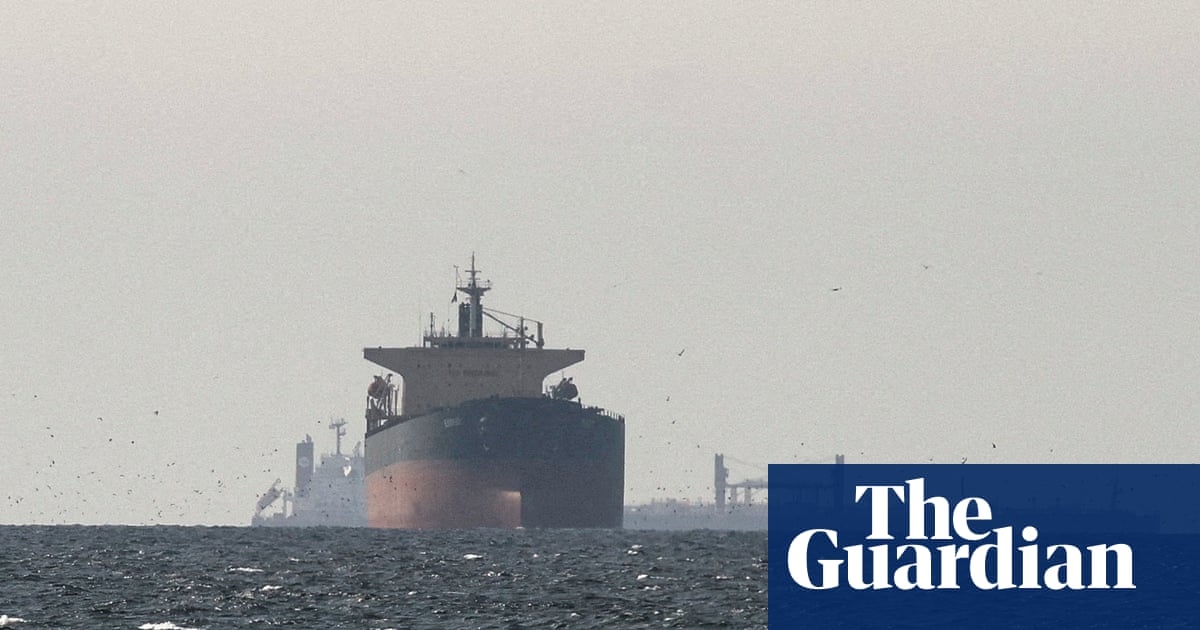
Oil prices have recently dipped below pre-war levels as tensions in the Middle East shift. The traversal of oil tankers through the Strait of Hormuz has increased, offering a glimpse into market developments that influence global pricing dynamics.
Current Trends in Oil Prices
Brent crude, which serves as the global benchmark, reached a low of $72.24 per barrel last Thursday. This figure is slightly lower than the prices recorded just before the US and Israel initiated missile strikes on Tehran on February 28. Throughout this month, oil prices have plummeted by over 20%. Notably, August’s Brent crude trades lower than that for September at $73.59, indicating a short-term supply surplus that could influence market stability.
According to data from CNN and MarineTraffic, vessel traffic in the Strait of Hormuz has surged in the last 24 hours, reaching levels not seen since the end of February. This increase in activity among oil tankers has been bolstered by reports that ships are now navigating the strait while their satellite signals are activated, a development that has contributed to the declining oil prices. Ipek Ozkardeskaya, a senior analyst at Swissquote, highlighted that multiple factors—including strategic oil inventory releases and a significant drop in demand from China—have led to a modest oversupply in various markets.
Market Implications and Concerns
Despite the drop in oil prices, experts like Susannah Streeter, chief investment strategist at the Wealth Club, express caution regarding the implications of these changes. Concerns over a prolonged global energy crisis stemming from the Iran conflict appear to be diminishing, yet European markets remain apprehensive. Extreme weather conditions continue to disrupt the balance between supply and demand, further exacerbating the situation.
Tensions have revived between Iran and the US as both parties strive to negotiate a permanent peace agreement, following a 60-day interim memorandum signed recently. Complicating these diplomatic efforts, Israel’s airstrike in southern Lebanon added another layer of uncertainty, highlighting ongoing geopolitical risks in the region.
The Outlook for Oil Prices
Streeter pointed out that while significant challenges remain in fulfilling global demand, increased production from oil-rich nations and ongoing infrastructure repairs could sustain lowering prices. However, the European market is currently grappling with exceptional heatwaves, pushing up wholesale electricity prices to multi-year highs as demand surges for cooling systems. This scenario creates another energy challenge for the region while raising questions about future consumption behavior.
Ozkardeskaya anticipates that oil prices might fluctuate between $60 and $80 a barrel in the near future. While geopolitical tensions in the Middle East and China’s renewed engagement with oil markets pose risks, countries may also begin to refill their strategic reserves, absorbing part of the excess supply now available.
In summary, while recent developments signal a decline in oil prices, the broader economic and geopolitical landscape remains fraught with uncertainty. As the market adjusts to fluctuations in supply and demand, stakeholders must remain vigilant to emerging challenges that could reshape the energy sector.