
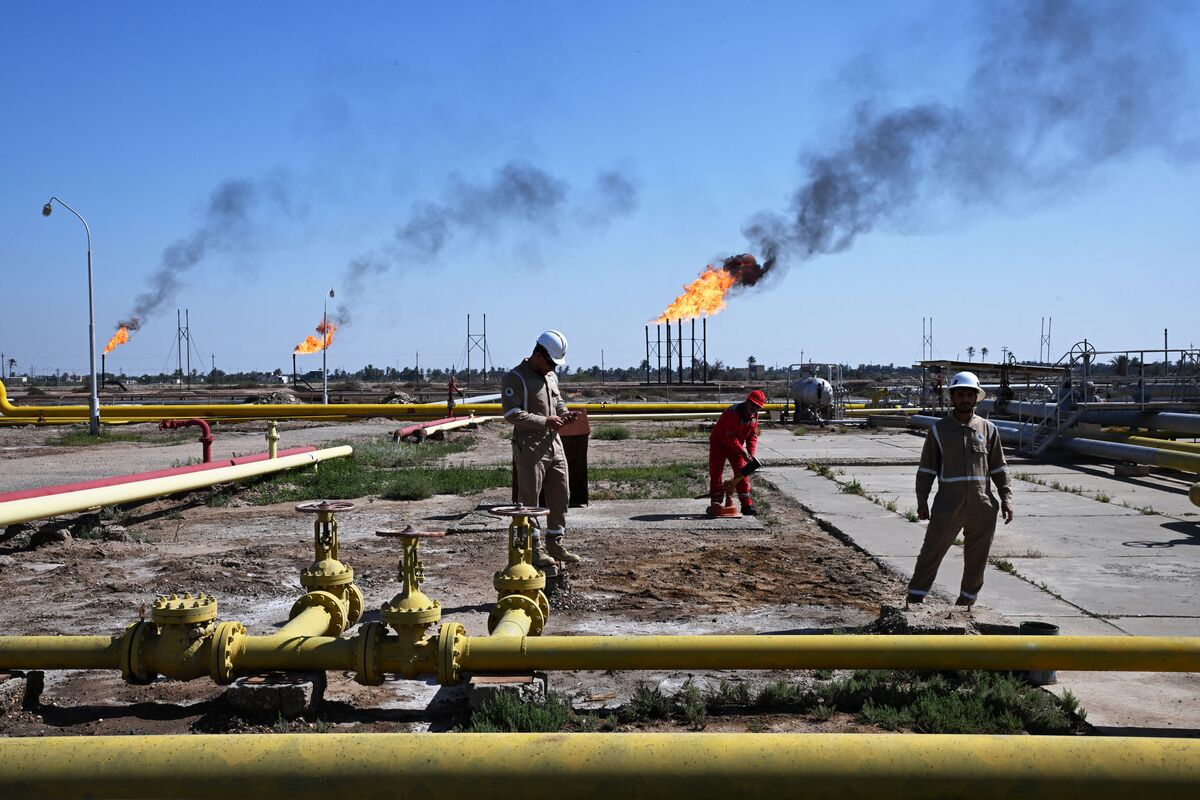
Iraq has hinted at the possibility of exiting OPEC if it doesn’t receive a higher oil production quota, following the recent departure of the United Arab Emirates from the organization to increase its output. This development raises questions about the future dynamics within the oil-producing consortium and the implications for global oil markets.
Rising Tensions Over Production Quotas
Iraq’s statement underscores ongoing tensions regarding production limits set by OPEC. As a major oil producer, Iraq has been eager to increase its output to meet domestic needs and bolster its economy. The country’s leadership is concerned that the current quotas could hinder its financial recovery efforts. In light of recent market fluctuations, many members are reconsidering their production strategies, and Iraq’s call for a review of its quota reflects these sentiments.
Impact of UAE’s Exit
The UAE’s recent exit from OPEC to pursue a higher production capacity serves as a precedent that could influence Iraq’s decisions moving forward. The UAE found that flexibility in production was essential for its economic goals, prompting similar discussions within Iraq’s government. By taking such steps, both countries aim to adapt to an evolving energy landscape where demand for oil may fluctuate due to geopolitical factors and shifts toward renewable energy sources. This shift signifies a broader reevaluation of how countries within OPEC prioritize their economic interests.
Economic Implications for Iraq
Exiting OPEC could have significant economic repercussions for Iraq. The nation relies heavily on oil revenues to fund government programs and public services. Therefore, any increase in oil production could not only improve its economic standing but also provide more stability for its oil-dependent economy. However, leaving OPEC would come with its own set of challenges. Iraq would need to navigate international relations and manage the impact of potentially rising oil production on global prices.
Future Prospects for OPEC
As discussions around production quotas continue, OPEC’s future governance will be closely watched. The cartel’s ability to maintain cohesion among its members while accommodating individual needs will be crucial in the coming years. Iraq’s potential move could prompt other nations to reassess their participation in OPEC, especially if they feel similarly constrained by production limits. The organization may need to adapt its strategies to retain members and ensure a stable oil market, possibly considering more flexible production agreements.
In summary, Iraq’s openness to leaving OPEC if its production quota isn’t increased reflects a significant moment in the oil industry’s landscape. With the UAE’s recent exit as a backdrop, it raises important questions about how OPEC will adapt to meet the needs of its members while maintaining collective goals. The evolving dynamics within the group could affect not only the economic realities for individual countries but also the balance of power within the global energy sector.