
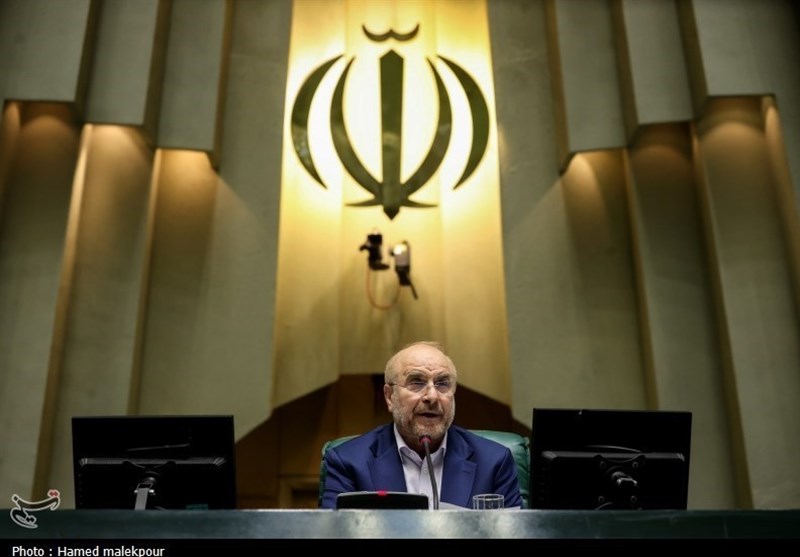
On Sunday, during a parliamentary session, the Speaker of Iran’s Parliament, Mohammad Bagher Qalibaf, articulated the nation’s unwavering stance on diplomatic matters. He emphasized that Iran’s positions are “clear, rational, and non-negotiable,” indicating that intermediaries have effectively communicated Iran’s terms to other involved parties.
Stance on Conflict and Negotiation
Qalibaf asserted that adversaries are increasingly aware that avenues of deceit and unilateral imposition are no longer viable. He highlighted that Iran will not entertain a return to prior negotiation conditions until its legitimate rights are acknowledged and American obligations fulfilled. Furthermore, he made it clear that there will be no reopening of the crucial Strait of Hormuz under these circumstances, underscoring the significance of this strategic chokepoint.
The Parliament Speaker emphasized the resilience of the Iranian populace as not only a safeguard for the country’s security but also as a catalyst for a new geopolitical landscape. He views this shift as an opportunity for progress in both economic and strategic domains. This perspective speaks to the broader implications of national resilience in transforming regional dynamics and international relations.
Dual Approach: Conflict and Diplomacy
Rejecting the binary choice of war or negotiations, Qalibaf presented a more nuanced viewpoint. According to him, the situation necessitates a dual strategy of engaging in both combat and diplomacy. He clarified that Iran must respond to aggression with both strength and unity while also being prepared to negotiate from a position of power when the time is right.
This dual approach involves mobilizing military capabilities when required to effectively counter threats and deliver significant retaliatory impacts. It also suggests a strategic delay in diplomatic engagements until Iran has achieved substantial advantages in any ongoing conflicts, thereby consolidating gains while negotiating with a weakened adversary.
The Collapse of Old Orders
In detailing the current geopolitical landscape, Qalibaf remarked on the disintegration of the historically US-led order in West Asia. He called upon Muslim nations in the region to collaborate in establishing a new framework that addresses contemporary challenges and facilitates mutual growth. This call to action not only highlights regional solidarity but also aims to reshape relationships to better reflect the interests and aspirations of the peoples involved.
In summary, Qalibaf’s recent statements reflect a strong determination rooted in national pride and strategic vision. The emphasis on a balanced approach—combining resistance with diplomacy—illustrates a commitment to navigating complex political terrain. As Iran seeks to redefine its position on the world stage, it remains essential to recognize the implications for regional stability and international relations at large.