
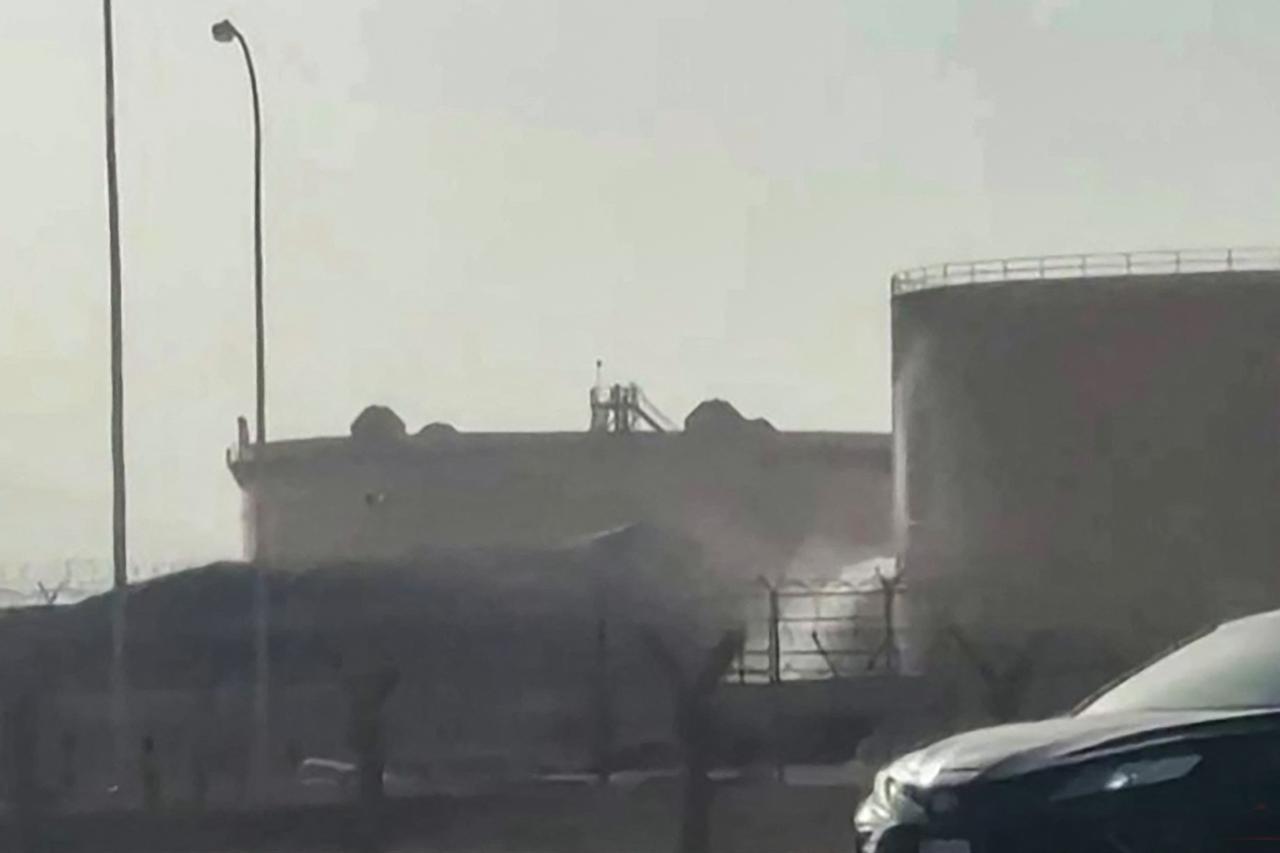
In a recent escalation of tensions, the United Nations and the Gulf Cooperation Council (GCC) condemned the Houthi attacks targeting Saudi Arabia. This show of solidarity comes amid rising regional concerns about civilian safety and stability, as various nations voice their support for Riyadh.
Statements of Solidarity from Jordan and Bahrain
Jordan’s Foreign Ministry issued a strong statement of support for Saudi Arabia, emphasizing the country’s commitment to defending its sovereignty and security. Spokesperson Fouad Al-Majali highlighted Jordan’s absolute solidarity with Riyadh and declared unwavering support for all measures taken to safeguard its citizens and stability.
Saudi air defenses successfully intercepted a ballistic missile aimed at Riyadh, a testament to the kingdom’s proactive defense systems. Jordan condemned the Houthi’s actions as violations of both Saudi sovereignty and international law, emphasizing that these attacks not only threaten Saudi Arabia but also pose a significant risk to broader regional peace. Similarly, Bahrain echoed this condemnation, labeling the recent surge in Houthi aggression as an alarming escalation and reinforcing its backing for Saudi efforts to protect its territory and population.
Concerns Raised by UN and GCC Officials
During a meeting in New York amid the ongoing 81st U.N. General Assembly, U.N. Secretary-General Antonio Guterres and GCC chief Jasem Mohamed Albudaiwi voiced serious concerns regarding the attacks. They condemned the deliberate targeting of civilian infrastructure, underscoring the urgent need for regional collaboration to mitigate threats to peace and security. Their discussions also included broader geopolitical dynamics and how the U.N. and GCC could cooperate to address regional issues effectively.
Guterres acknowledged the valuable contributions of the GCC member states in maintaining stability in the region. Their collective efforts could play a crucial role in navigating these turbulent waters as the risk of further escalation looms.
Alerts and Recent Attacks in Saudi Arabia
In conjunction with this diplomatic response, Saudi Civil Defense issued multiple alerts across various cities. These alerts followed a series of threats that raised concerns about safety amongst civilians. On a recent Thursday, a violent incident linked to Houthi activities resulted in one casualty and two injuries due to debris from an intercepted drone over Taif. The Houthis subsequently claimed they had thwarted what they described as Saudi aggression in Sanaa, although no connection was established by Saudi authorities between these claims and the recent alerts.
This ongoing conflict has seen the Houthis executing missile and drone attacks while claiming a “maritime blockade” against Saudi Arabia as of July 20. Since March 2015, Saudi Arabia has been at the forefront of a coalition supporting Yemen’s recognized government against Houthi forces, which have maintained control over Sanaa and significant regions of Yemen since 2014.
As regional tensions rise, the condemnation from the U.N. and the GCC reflects a growing need for unity and proactive measures to ensure civilian safety and maintain stability across the Middle East. Moving forward, diplomatic engagements and strategic alliances will be essential in addressing the evolving security landscape in the region.