
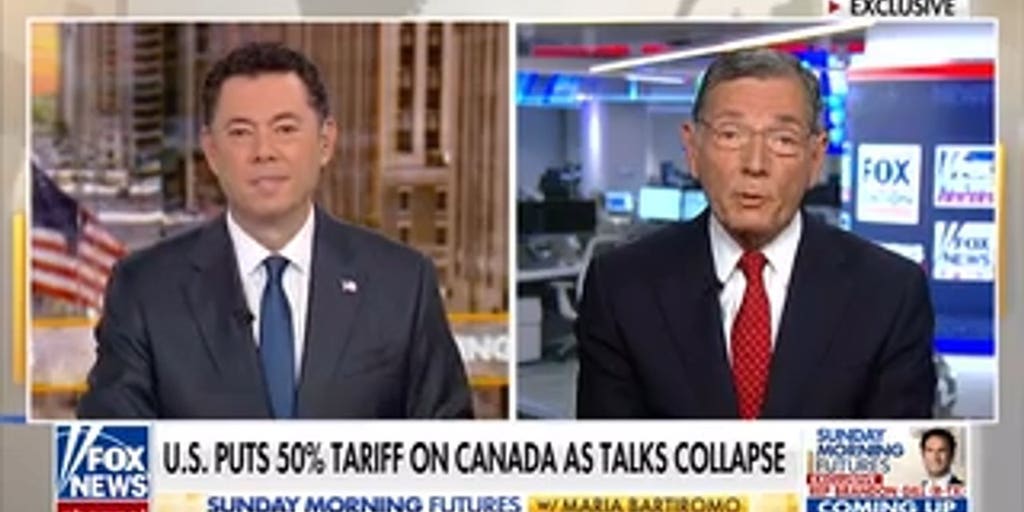
Senate Majority Whip John Barrasso from Wyoming recently appeared on ‘Sunday Morning Futures’ to shed light on the increasing tensions between the U.S. and Iran. He addressed President Donald Trump’s approach to imposing tougher sanctions on Iran and examined how these challenges could influence upcoming elections and the Republican Party’s legislative focus.
U.S.-Iran Tensions and Economic Sanctions
As tensions escalate between the United States and Iran, Barrasso emphasized the critical role of sanctions in the U.S. strategy. The administration aims to exert additional economic pressure on Tehran, a move aimed at promoting negotiations and reducing Iran’s ability to fund controversial activities. Barrasso articulated that these sanctions are essential not just for national security but also for stabilizing regions affected by Iran’s actions.
The senator highlighted how increased sanctions could affect energy markets, especially considering Iran’s significant position in global oil production. Any potential disruption could lead to price fluctuations, impacting consumers domestically and abroad. By squeezing Iran economically, the goal is to hinder its nuclear ambitions and support for proxy groups that threaten peace in the Middle East.
National Debt and GOP Legislative Priorities
In addition to foreign policy, Barrasso brought attention to the concerning rise of the U.S. national debt. He posited that managing this debt should be a top priority for Congress, especially as the 2026 midterm elections approach. The senator articulated that fiscal responsibility is crucial for ensuring economic stability and sustaining funding for essential services.
The Republican Party aims to present a cohesive legislative agenda focused on reducing government spending, promoting job growth, and enhancing the overall economic landscape for Americans. Barrasso detailed some key initiatives that the GOP plans to push forward, emphasizing the importance of bipartisan support to tackle these issues effectively.
The Road Ahead: Midterms and Strategic Vision
As the midterm elections approach, Barrasso underscored the necessity for a well-defined Republican strategy that resonates with the electorate. Creating a solid narrative around fiscal discipline and international stability could be pivotal in gaining voter confidence. He called for a united front among party members to deliver a compelling message that addresses both domestic and foreign challenges.
In conclusion, Barrasso’s insights highlight the interplay between U.S.-Iran relations, economic policy, and electoral strategy. The Republican agenda, as outlined, reflects a commitment to addressing pressing issues that resonate with American citizens ahead of the next electoral cycle. As tensions persist and economic challenges loom, the GOP’s ability to navigate these complexities will be crucial for their success in upcoming elections.