
Iran is currently navigating a complex geopolitical landscape, marked by tensions with the United States and neighboring nations. The Iranian leadership is grappling with internal unrest and external pressures as new developments emerge in the ongoing conflict.
Iran’s Leadership Responds to Stalled Talks
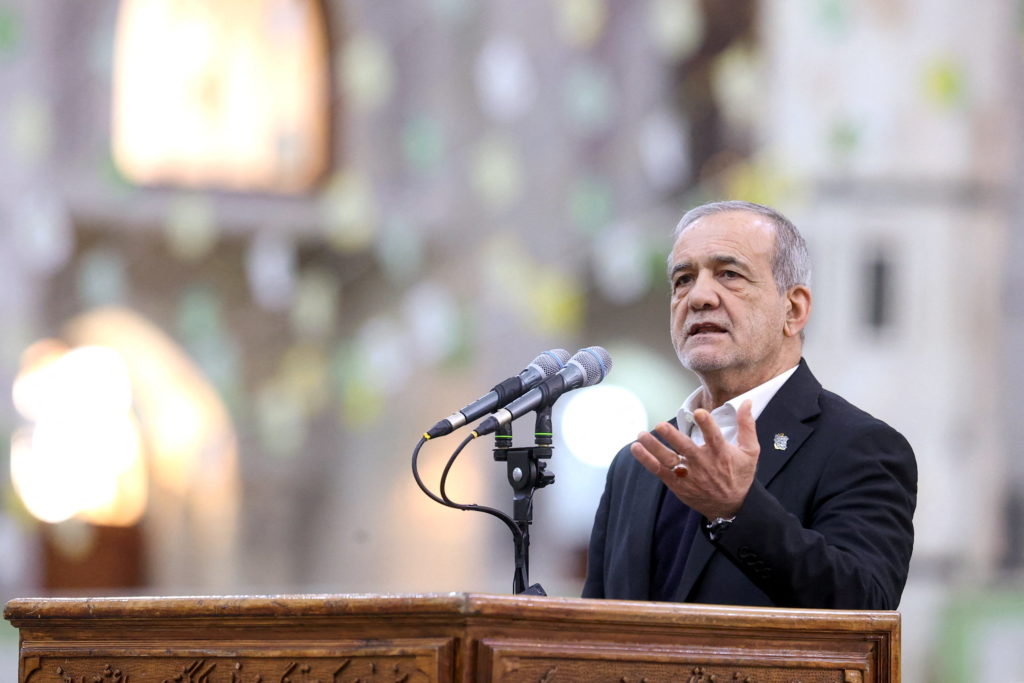
Iran’s President, Masoud Pezeshkian, emphasized the significance of a recent memorandum of understanding with the United States. He characterized this agreement as the most viable path out of the current stalemate described as “neither war nor peace.” During his address, Pezeshkian asserted that the accord does not equate to surrender, as the nation’s policies are firmly directed by the supreme leader. He also underscored the necessity of reviving discussions surrounding Iran’s nuclear agenda and the current economic turmoil sparked by sanctions, indicating that the hostile climate has severely hindered investment efforts.
Despite the hope that the memorandum would facilitate dialogue, the 60-day negotiation window has expired without any visible progress. The critical issue of reopening the Strait of Hormuz, a key maritime route for global commerce, remains unresolved. This impasse has further exacerbated Iran’s existing economic struggles, attributed largely to sanctions and a stringent naval blockade led by the U.S.
Security Concerns and Regional Dynamics
On another front, Mohsen Rezaei, the new hard-line leader of Iran’s Supreme National Security Council, issued a stark warning to Iran’s neighboring countries. He cautioned that any support for U.S. sanctions against Iran would result in severe repercussions, with Tehran prepared to retaliate. Rezaei’s comments reflect a firmer military stance and highlight the sensitive regional dynamics in light of escalating tensions with the U.S. Moreover, he hinted at potential threats to oil-shipping routes in the Persian Gulf, signaling Iran’s readiness to defend its interests aggressively.
While no significant maritime incidents were reported in the Strait of Hormuz recently, shipping activities have decreased due to the ongoing geopolitical climate, with multinational forces keeping a close watch. This situation underscores the fragile nature of the regional security environment and the potential for misunderstandings or miscalculations that could escalate into conflict.
Diplomatic Efforts Amidst Rising Tensions
In an effort to mend relations and reduce tensions, Pakistan’s army chief, Field Marshal Asim Munir, is scheduled to visit Tehran. This engagement could serve as a bridge for dialogue among regional players affected by the ongoing turbulence between the U.S. and Iran. Pakistani officials have indicated that the visit aims to initiate talks aimed at de-escalating hostilities and promoting stability in the region.
This diplomatic overture comes alongside troubling domestic developments in Iran. Reports of judicial actions against protestors reflect a broader trend of repression against dissent, with recent executions drawing international condemnation. The judiciary’s decisions have been described as part of a crackdown on voices calling for change, adding another layer of complexity to Iran’s internal dynamics.
Continued Violence in Occupied Territories
Meanwhile, the situation in the occupied West Bank remains volatile, marked by instances of violence that highlight the ongoing Israeli-Palestinian conflict. Recent assaults, including the beating of a Palestinian man by Israeli settlers and airstrikes in Gaza, contribute to a contentious atmosphere. Casualties on both sides continue to fuel tensions, raising concerns about human rights and the potential for further escalation.
As all sides navigate this intricate web of political, security, and humanitarian challenges, the prospects for peace and stability in the region remain uncertain. The interplay of diplomatic efforts, military posturing, and internal unrest will undoubtedly shape the future of U.S.-Iran relations and broader Middle Eastern dynamics.