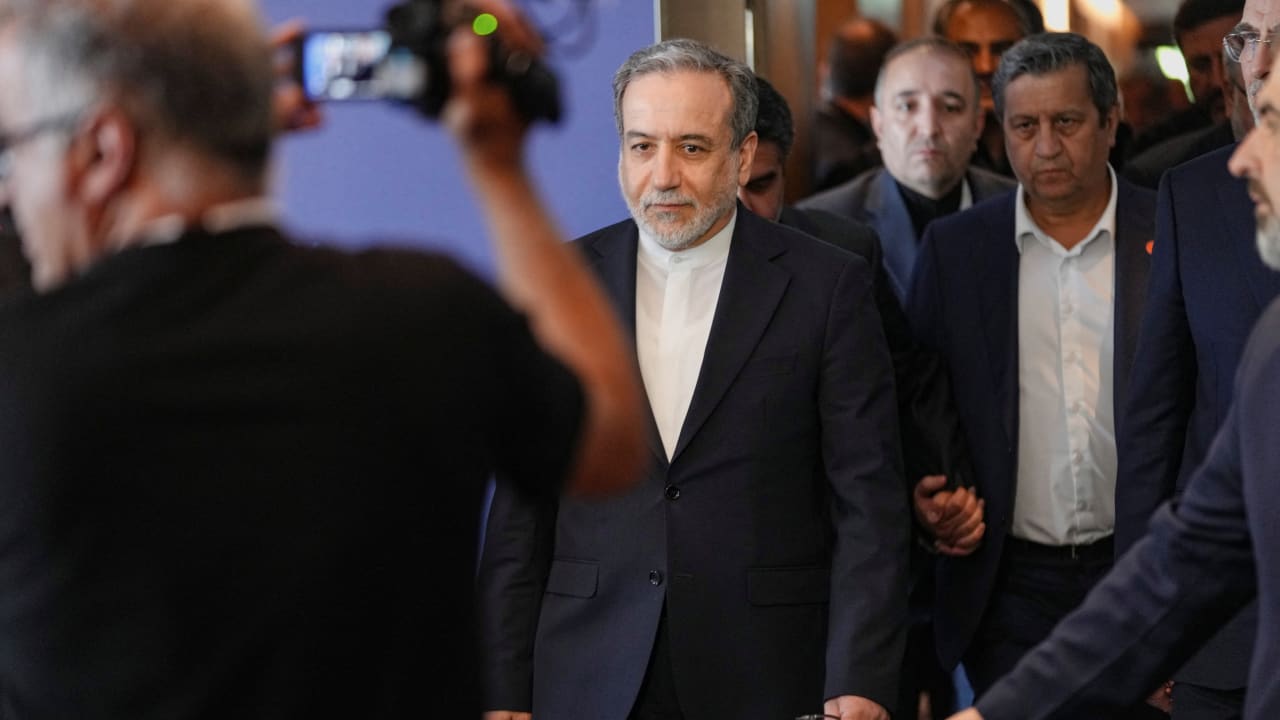
The recent diplomatic discussions between the United States and Iran in Switzerland have sparked significant interest and concern among global observers. The negotiations, facilitated by mediators from Qatar and Pakistan, were described as yielding “encouraging progress,” with a roadmap for a potential agreement spanning the next 60 days. Such developments could substantially influence regional stability and international relations, especially in the context of Middle Eastern geopolitics.
Progress in Diplomatic Talks
U.S. Vice President JD Vance voiced optimism about the discussions, indicating that Iran has consented to permit International Atomic Energy Agency (IAEA) inspectors to return to the country. Additionally, the U.S. has issued a temporary 60-day waiver allowing Iranian oil and petrochemical exports to continue through August 21. This arrangement reflects a cautious approach to easing sanctions while maintaining oversight of Iran’s nuclear ambitions.
The negotiations also addressed the establishment of a Lebanon “deconfliction cell”, aimed at mitigating the potential for renewed conflict between Israel and Hezbollah—an engagement absent of direct Israeli involvement but not without its complexities. The presence of Iranian representatives raises serious questions about the effectiveness and safety of such arrangements, especially concerning Israel’s security.
Concerns About Iran’s Influence
The potential ramifications of these negotiations are unsettling for Israeli officials. While diplomacy can be a tool for reducing threats, the current framework may inadvertently grant Iran more power, resources, and legitimacy in managing the crises it contributes to, such as the continued tension in Lebanon and the broader region. A growing sense of unease emerges as critics argue that Iran seems to gain concessions without meeting stringent conditions that would validate their commitment to compliance.
Critics have raised alarms that Tehran’s assertiveness in the Strait of Hormuz and its involvement in Lebanon may become bargaining chips, unintentionally entrenching Iran’s strategic position. Washington’s approach, viewed by some as lacking in decisiveness, runs the risk of handing Tehran the ability to operate with a greater sense of impunity even as it negotiates.
The Nuclear Dilemma
The discussions also touch on Iran’s nuclear program. Although the U.S. has indicated progress with the return of inspectors, Iran’s communication regarding compliance has been less reassuring. The essence of these talks revolves around how serious Iran is about adhering to the conditions surrounding its nuclear activities. History suggests that Tehran often employs diplomatic engagement as a strategy to buy time while enhancing its nuclear capabilities.
Washington’s temporary easing of oil export restrictions may inadvertently signal to Iran and its regional proxies—such as Hezbollah—an impression of resilience, potentially destabilizing efforts to curb its military expansion. Maintaining vigilant checks on Iran’s military capabilities and financial resources remains essential to any negotiations aimed at quelling conflicts in the region.
In summary, while the diplomatic talks in Switzerland may have provided a fleeting sense of calm and potentially benefit markets, they do not resolve the deeper question: Is Iran genuinely apprehensive about revisiting its aggressive posture, or is it merely being compensated for a temporary cessation of hostilities? For nations like Israel, this distinction serves as the difference between safety and vulnerability in an increasingly complex geopolitical landscape.