
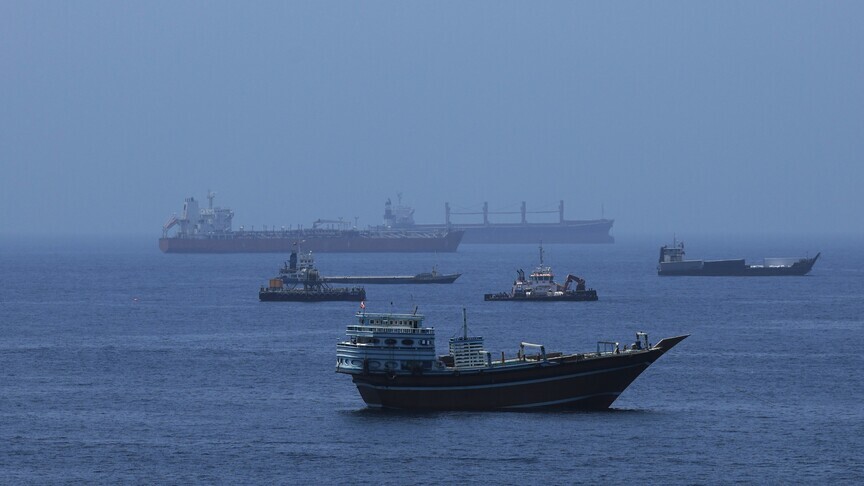
The ongoing conflict between the United States and Iran has created significant challenges for the Iranian government, particularly in terms of managing critical infrastructure. According to Tehran Governor Mohammad-Sadeq Motamedian, the U.S. naval blockade has led to “very exceptional and unique” conditions for the country during this turbulent period.
Impact of the Naval Blockade on Iran
In a recent television interview, Motamedian highlighted the multifaceted pressures faced by Iran, which include not just the naval blockade but also intensified sanctions and direct attacks on the nation’s infrastructure. He pointed out that the blockade imposed significant challenges in maritime operations, forcing the government to adapt to an unprecedented situation. This blockade has curtailed Iran’s ability to trade and manage its maritime resources effectively, exacerbating the challenges posed by the ongoing conflict.
Damage to Infrastructure in Tehran
Motamedian noted that the capital, Tehran, has been a primary target in this conflict, suffering significant damage to its infrastructure. He revealed that over 1,200 sites related to electricity were attacked throughout the Tehran province during the U.S.-Israeli war. Despite the extensive damage, Iranian authorities swiftly restored the affected services, demonstrating resilience amid adversity. The governor also mentioned that water, telecommunications, and gas infrastructures were similarly impacted but were quickly repaired to restore normal functioning.
Economic Strain from Intensified Sanctions
The conflict has also contributed to intensified economic pressures on Iran. As the U.S. increased sanctions against the country, the Iranian economy faced heightened challenges that compounded the existing difficulties stemming from the war. These economic strains have made it increasingly complex for Tehran to manage both its domestic affairs and respond to external threats.
The Broader Conflict and Diplomatic Attempts
Since the onset of the U.S.-Israeli war on February 28, hostilities have expanded beyond ground operations to impact military, nuclear, and essential infrastructure sites across Iran. In retaliation, Tehran conducted missile and drone strikes targeting both U.S. military bases and Israeli facilities in the region. This escalation extended to critical maritime routes, particularly through the Strait of Hormuz, an essential corridor for global energy supplies.
In an effort to curb escalating violence, Iran and the U.S. set out a memorandum of understanding on June 18. This agreement aimed to end hostilities and included discussions about the naval blockade and the reopening of the Strait of Hormuz. However, despite initial optimism, tensions have resumed, with the implementation of this agreement remaining fraught with disagreements between the two nations.
In summary, the U.S. naval blockade and the accompanying sanctions have created unparalleled challenges for Iran during this ongoing conflict. With essential infrastructures under siege, the Iranian government has had to adopt quick-response measures to mitigate the damage and restore vital services while grappling with the broader implications of increased economic strain and geopolitical tensions.