
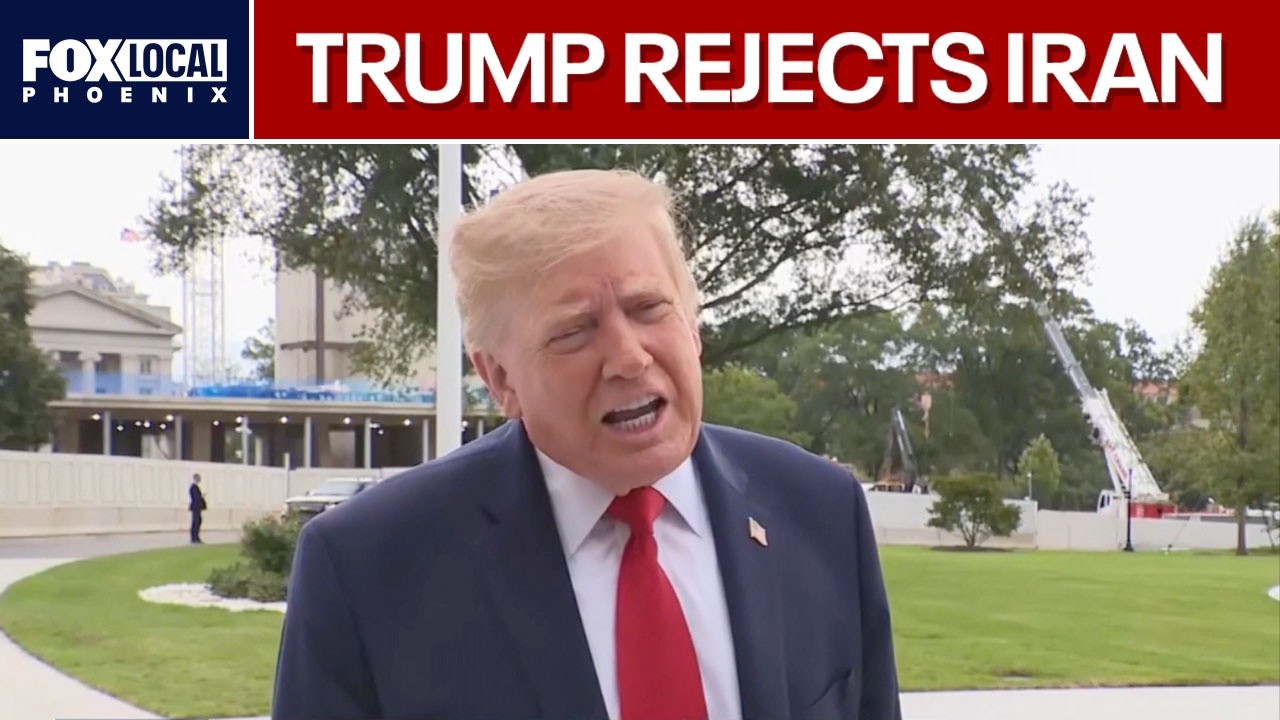
President Trump recently turned down a seven-day ceasefire offer from Iran, following discussions with Chinese President Xi Jinping. This decision reflects the complex dynamics of international relations and the ongoing tensions in the Middle East.
Ceasefire Negotiations: The Context
The backdrop of the ceasefire proposal involves rising hostilities in the region. Iran has been engaged in various military activities that have prompted concerns worldwide. Diplomatic efforts to reach a resolution have become increasingly urgent as nations strive to avoid escalation. The ceasefire was seen as a potential step towards de-escalation, but Trump’s rejection indicates a more aggressive stance regarding Tehran.
While ceasefires are typically viewed as opportunities for peace, the intricate relationship between the U.S. and Iran complicates matters. Past negotiations have frequently fallen through due to mistrust and conflicting interests. Trump’s administration has taken a hard line against Iran, often citing its nuclear ambitions and regional influence as significant threats.
Impact of the Decision on Global Diplomacy
Trump’s refusal of the ceasefire could have widespread implications for global diplomacy. Countries are closely monitoring U.S. foreign policy decisions, as they often influence their own strategic planning. By dismissing the ceasefire, the U.S. signals that it may not be willing to take steps towards negotiation in the immediate future. This hardline approach could limit opportunities for dialogue, potentially leading to increased tensions and conflict.
Allied nations are also caught in the middle, balancing their relationships with both the U.S. and Iran. Many are advocating for diplomatic efforts to reduce hostilities, fearing that failure to engage in talks could lead to military confrontations. The global community is left to ponder the ramifications of this rejection and what it signifies for future negotiations.
The Role of China in Middle Eastern Politics
China’s involvement in the discussions highlights its growing influence in Middle Eastern politics. As a major player on the global stage, China often seeks to mediate conflicts to maintain stability in regions critical to its economic interests. The summit between Trump and Xi could have had implications beyond U.S.-Iran relations, creating a platform for new diplomatic strategies.
While China’s motivations may partially stem from its desire to secure energy resources, it also positions itself as a peace broker in global issues. This larger geopolitical context complicates the dynamics between the U.S., Iran, and China, as each nation seeks to safeguard its own interests amidst rising tensions.
Future Prospects for U.S.-Iran Relations
Looking ahead, the prospects for U.S.-Iran relations appear grim following Trump’s decision. The rejection of the ceasefire proposal illustrates the challenges both nations face in reaching a viable agreement. Diplomatic channels may continue to be strained, with each side maintaining its position. This impasse raises the stakes for potential conflict, making it crucial for leaders to consider future initiatives that encourage dialogue and peace.
In summary, President Trump’s dismissal of the ceasefire proposal marks a significant moment in U.S.-Iran relations. This decision not only affects the immediate situation between the two countries but also impacts global diplomatic strategies. As nations navigate this increasingly complex landscape, the importance of dialogue and collaboration should not be overlooked. The world watches closely as these events unfold, hoping for solutions rather than increased tensions.