
The ongoing tensions between the United States and Iran have escalated with recent missile and drone exchanges, complicating efforts to establish a ceasefire. The conflict continues to pose significant challenges for U.S. diplomacy in the Middle East as both sides respond with military actions.
Recent Military Engagements Between the U.S. and Iran
On Tuesday, U.S. forces targeted a tanker that was attempting to breach the blockade in the Strait of Hormuz by firing a Hellfire missile. Following this strike, American troops reported engaging with Iranian forces, claiming to have thwarted retaliatory attacks from the Islamic Republic. The U.S. later carried out strikes on facilities located on Iran’s Qeshm Island, signaling a heightened military readiness in the region.
In a bold counteraction, Iran’s Islamic Revolutionary Guards Corps announced that they launched missiles and drones targeting the U.S. Fifth Fleet’s headquarters in Bahrain, framing this as a direct response to the U.S. operations on Qeshm Island. The U.S. Central Command denied these claims, illustrating the deep mistrust and contrasting narratives presented by both nations.
Stalled Ceasefire Talks
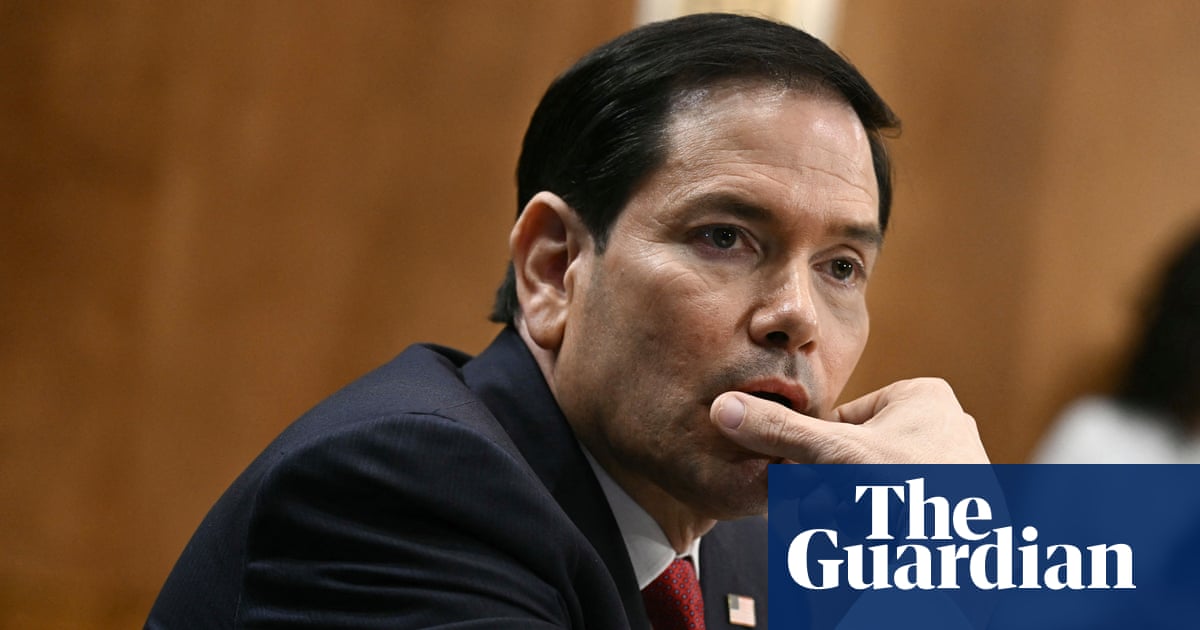
Despite escalating military actions, political negotiations to achieve a ceasefire continue to stall. U.S. Secretary of State Marco Rubio recently expressed optimism about the potential for new discussions regarding Iran’s nuclear program. However, his claims were met with skepticism given that Iran has consistently refused to negotiate certain key aspects. Rubio’s assurances did little to quell the rising fears surrounding the deteriorating security situation in the region.
Iran’s foreign minister, Abbas Araghchi, emphasized that the ceasefire should be treated as inclusive of all conflict fronts, including Lebanon. He warned that any violation in one area would be viewed as a breach across all fronts, indicating that the stakes remain extraordinarily high for both parties.
Implications for Regional Stability
This cycle of aggression threatens to undermine any basis for diplomatic resolution in the area. Analysts note that the continued military engagement not only poses risks of broader conflict but also highlights the failure of previous negotiations. The lack of tangible progress raises questions about the effectiveness of current U.S. strategies in the Middle East, particularly as tensions escalate across various fronts.
As both the U.S. and Iran prepare for potential future confrontations, the international community watches closely. The implications of these strikes could reverberate beyond immediate military concerns, affecting diplomatic relations in the Middle East and potentially drawing in other regional powers. Without renewed commitment to dialogue, the ongoing cycle of retaliation may further destabilize the area, making clarity and peace seem increasingly elusive.
In conclusion, the recent U.S.-Iran exchanges underscore a precarious situation that could evolve rapidly if not addressed through effective diplomacy. The world awaits substantive developments in hopes of a breakthrough that could finally lead to lasting peace.