
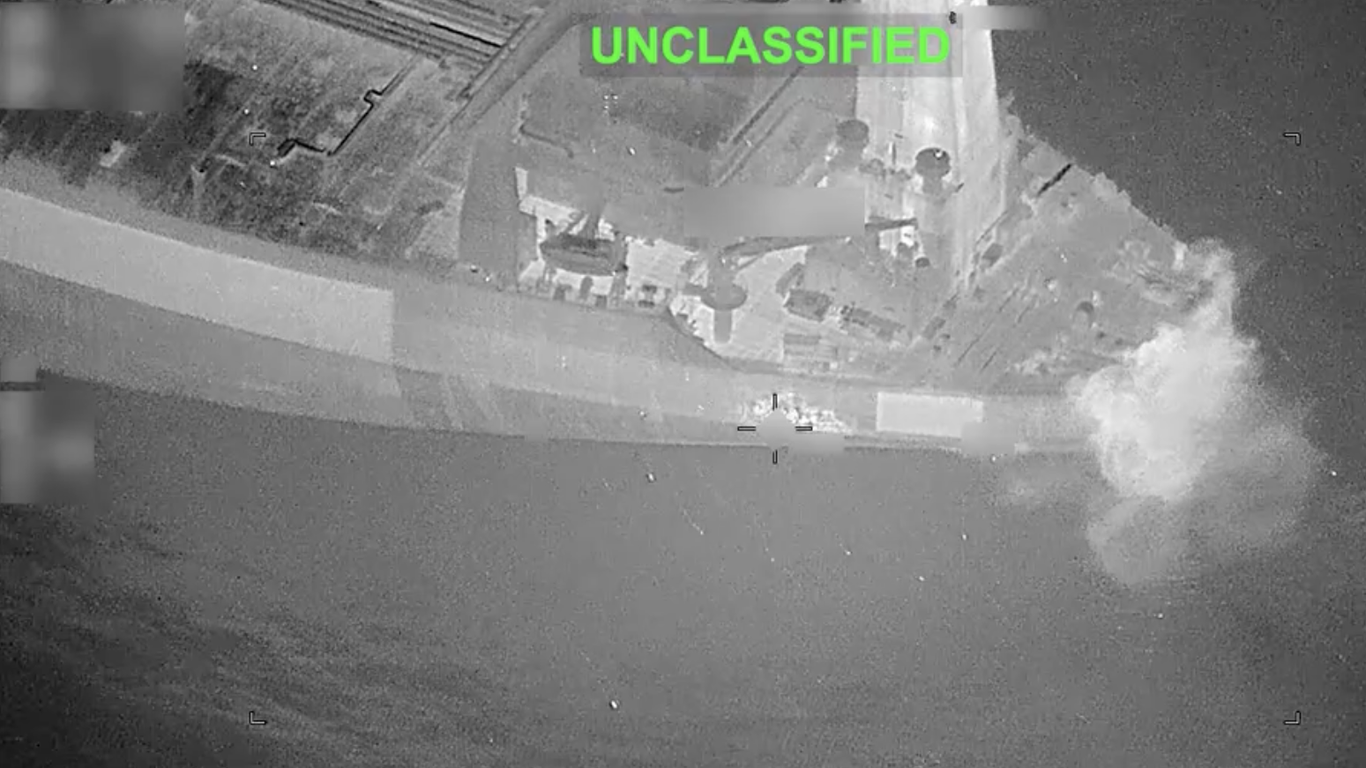
The recent actions of the U.S. military in the Gulf region underscore the escalating tensions surrounding Iran’s regional ambitions. Reports indicate that U.S. forces targeted an oil tanker en route to Iran while simultaneously providing missile defense for allied nations such as Kuwait and Bahrain. This development raises questions about the broader implications for security and stability in the Middle East.
The Targeted Oil Tanker Incident
In a significant military operation, U.S. forces engaged an oil tanker that was believed to be transporting goods to Iran. This action reflects deepening concerns within Washington regarding Iran’s influence and activities, particularly in oil transport linked to its controversial nuclear program. The U.S. military aims to disrupt these supply lines to prevent the Iranian regime from acquiring necessary resources for its operations.
Despite the complexity of maritime laws and the activities of various actors in the Gulf, this strike highlights the strategic importance of monitoring shipping routes. The U.S. is taking a proactive stance to protect its interests and those of its allies while maintaining pressure on Iran. The incident serves as a reminder that the stakes are high when it comes to securing vital maritime channels, particularly in an area often fraught with conflict.
Enhanced Missile Defense for Allies
In conjunction with these military maneuvers, the U.S. has ramped up its missile defense capabilities in the region. By deploying advanced systems, the U.S. is determined to enhance the defensive posture of its allies, particularly Kuwait and Bahrain, against potential Iranian missile strikes. These measures aim to bolster regional security and deter aggressive actions from Iran, which has been known to utilize missiles as a means of exerting influence and instilling fear.
The protection of these allies is not merely a matter of defense; it also reflects the U.S.’s commitment to maintaining peace in the Gulf. The recent military activities demonstrate willingness to act decisively to safeguard strategic partnerships, reinforcing a united front against hostile actions by Iran.
Implications for Regional Stability
The ongoing confrontation between U.S. forces and Iran has significant implications for the overall stability of the region. As the U.S. continues to implement strategies aimed at containing Iran’s influence, the potential for miscalculations and further military confrontations grows. This delicate balance of power necessitates ongoing diplomatic efforts alongside military preparations.
In this context, maintaining open lines of communication with both allies and adversaries is crucial. The stakes are high, and the consequences of misinterpretation or overreaction could have far-reaching effects. For now, the U.S. military’s actions reveal a commitment to its strategic interests while navigating the complex geopolitical landscape of the Middle East.
In conclusion, the U.S. military’s recent actions against the oil tanker and the increased missile defense for regional allies signal a proactive approach to countering Iranian ambition. The evolving situation continues to pose challenges, underscoring the need for both vigilance and diplomatic engagement in a region marked by volatility and uncertainty.