
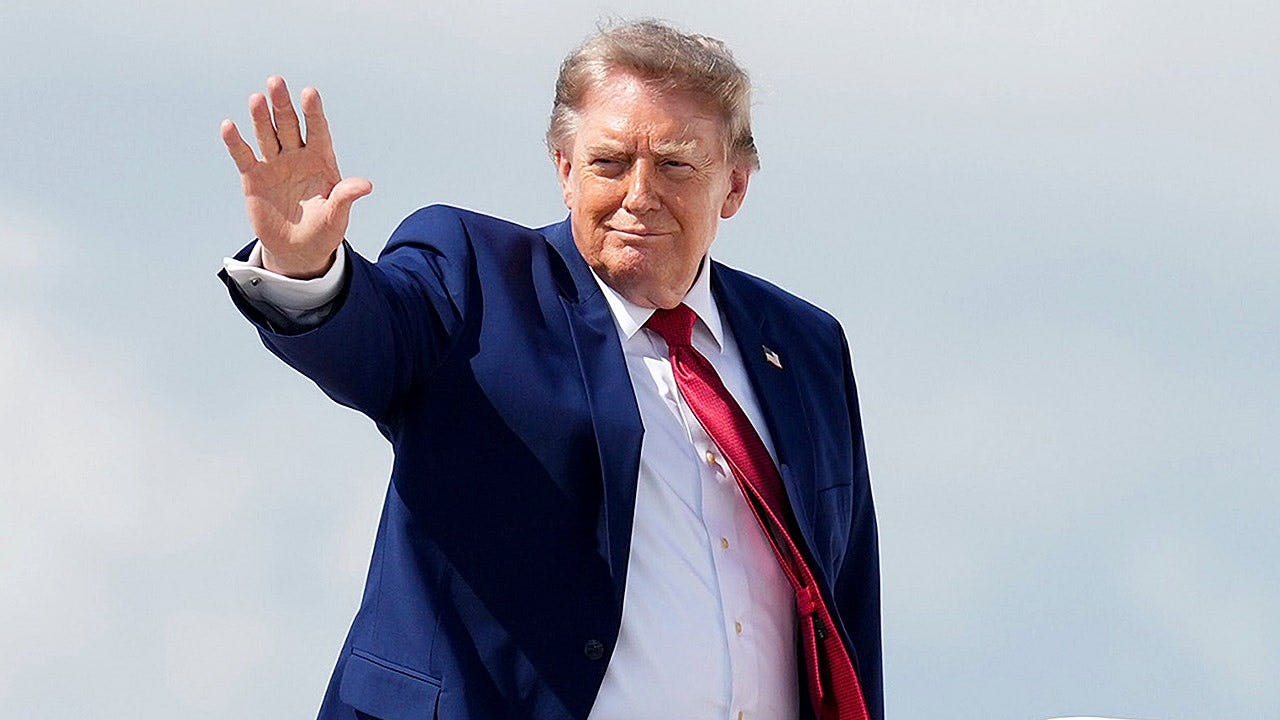
Understanding Trump’s Secretive Aviation Moves
Recently, President Donald Trump made headlines with an intricate departure from Ankara, Turkey. His stealthy exit, involving an unexpected switch from Air Force One to a different aircraft, underscores the sophisticated security protocols developed over the years for presidential travel. This incident not only highlights Trump’s unique style of governance but also draws attention to the escalating threats faced by U.S. presidents in volatile international environments.
Historical Context of Deceptive Presidential Flights
This isn’t the first time Trump has employed deceptive strategies for his travel. For instance, during a surprise Christmas trip to U.S. troops in Iraq in 2018, Trump used a darkened Air Force One with closed window shades and a special military call sign. Yet, his move was partially compromised when an attentive plane spotter identified the aircraft. To circumvent this in the following year, the White House took a more drastic approach by leaving one presidential aircraft conspicuously in Florida while Trump discreetly flew to Afghanistan aboard another.
The seriousness of this security mindset was glaringly evident on July 8, when Trump left a NATO summit amid a credible threat from Iran. As U.S. officials signaled potential danger to Trump and his aircraft, the decision was made to disguise his flight path more cleverly.
The Recent Ankara Departure: A Case Study
Trump’s departure from Ankara involved a remarkable ruse. After publicly boarding the iconic blue-and-white Air Force One, he secretly exited through a side door into a catering truck, which transported him to a C-32A, a modified Boeing 757. This decoy operation allowed a larger presidential aircraft, still flying under the “Air Force One” call sign, to leave with journalists, leaving them unaware that Trump was not on board.
This operation was so meticulously planned that journalists were instructed to keep their window shades closed, a nod to earlier covert flights Trump undertook. It signifies the ongoing efforts to ensure the president’s safety, especially in regions where hostility stands at the forefront.
Security Protocols and Presidential Risks
Trump’s interactions with the press post-flight suggested he was well aware of the potential dangers, acknowledging that he’s often singled out as a target. His strategies underscore the seriousness of presidential security, especially in the face of threats from adversarial nations. The meticulous planning behind such operations reveals not only a concern for personal safety but also a commitment to maintaining strategic advantage over potential threats.
The ingenious tactics employed during these travels serve as reminders of the responsibilities placed on the Secret Service, military, and administration staff. Their work remains crucial in safeguarding the president as well as preserving an air of normalcy during turbulent times.
As the strategies evolve, they reflect a broader narrative of presidential security in an unpredictable world, where the stakes are exceptionally high. These measures—whether involving deception in travel routes or heightened awareness of potential dangers—showcase the lengths to which the administration must go to ensure the safety of the highest office in the land.
In conclusion, the recent situation with Trump’s air travel highlights the complexities and the risks associated with presidential movements. Navigating these challenges requires both innovation and vigilance, skills that are evidently applied in safeguarding the nation’s leader from credible threats while maintaining the facade of normal political activities.