
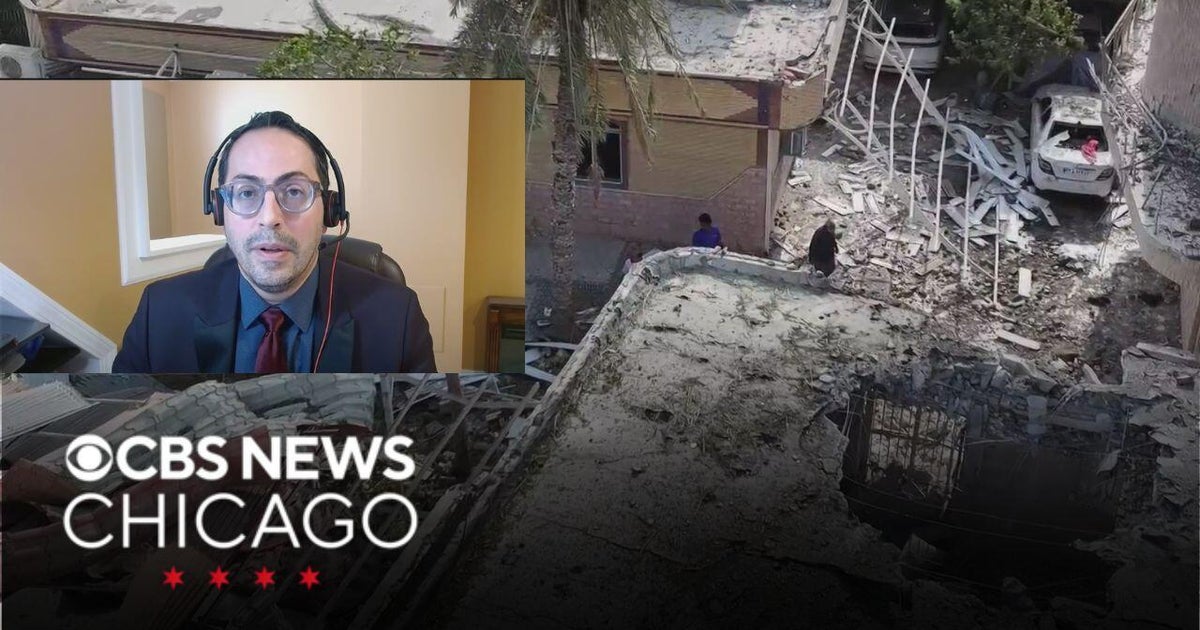
On September 23, a tragic incident occurred in southern Iran, where a wedding celebration turned into a scene of devastation. According to the U.N. Fact-Finding Mission, the United States bears responsibility for the attack, which resulted in the loss of five lives and injuries to over 60 attendees. This event has raised significant concerns both locally and internationally, and experts are weighing in on its implications.
Details of the Attacks
The attack during the wedding ceremony shocked the community and raised questions about the security measures in place. Witnesses reported that the atmosphere turned from joy to chaos in an instant. Families gathered to celebrate a momentous occasion now face the burden of grief and loss. The Iranian government has been vocal in its condemnation, emphasizing that such acts only serve to deepen the existing tensions in the region.
Official Reactions
Iranian officials have attributed the attack to U.S. actions in the region, expressing outrage at what they see as foreign interference. They argue that the U.S. has repeatedly destabilized the area and placed innocent lives at risk. In the wake of the attack, calls for accountability have intensified, fueling discussions about international law and sovereignty. Iranian citizens are demanding justice for the victims and accountability for those responsible, as the tragedy has garnered international media attention.
Expert Opinions
Loyola University professor Ali Tarokh provides a nuanced perspective on this incident. He posits that the implications extend far beyond this single event, touching on broader geopolitical tensions. Tarokh suggests that understanding the complexities of U.S.-Iran relations is crucial in grasping the context of the attack. He emphasizes that both nations must recognize the devastating consequences of military actions on civilian populations, which often lead to cycles of violence and retribution.
Broader Implications and Future Consequences
The consequences of this tragic event are manifold. It not only affects the immediate victims and their families but also has the potential to escalate tensions between the U.S. and Iran. The international community will be watching closely as the situation unfolds, assessing how it might influence diplomatic relations and the ongoing discourse surrounding peace in the Middle East. The long-term effects of such incidents can lead to increased hostilities and may even spur retaliatory actions from either party, further complicating an already fragile situation.
In conclusion, the deadly attack on the wedding in southern Iran has highlighted the urgent need for dialogue and accountability in international relations. As people come to terms with the aftermath of this tragedy, it serves as a stark reminder of the implications of geopolitical tensions on innocent civilians. The perspectives shared by experts like Ali Tarokh underline the importance of understanding the broader ramifications of actions taken by nations in the context of conflict and diplomacy.