
Tensions in the Middle East are escalating as former President Trump announced severe military repercussions for both Iran and the Houthi rebels, following the rebels’ recent attacks on Saudi oil tankers in the Red Sea. This situation raises critical concerns about energy security and geopolitical stability in the region.
Military Threats and Responses
On Thursday, Trump warned that further actions by the Houthis against Saudi Arabia would lead to the United States holding Iran accountable, labeling the Houthis as a proxy for Tehran. In a post on Truth Social, he emphasized that there would be “major military punishment” if these attacks continued. Furthermore, he announced that damages to shipping vessels and cargo caused by these strikes could be compensated by liquidating Iranian assets frozen in the U.S. This claim provoked strong reactions from Iranian officials, including Foreign Minister Abbas Araghchi, who called it an unprecedented and dangerous precedent for international relations. He cautioned that such actions could render any nation’s assets susceptible to state seizure, indicating a deepening rift between the U.S. and Iran.
Impact on Maritime Commerce
The continuing threats and skirmishes have severely affected maritime traffic, particularly through the Strait of Hormuz. Recent reports indicate that shipping has slowed significantly, with only a limited number of vessels successfully navigating this crucial waterway. A single oil tanker managed to traverse the strait on Thursday, while others opted to turn back amidst the elevated threats posed by the Houthis. Although some evidence suggests that shipping transponders may have been turned off, the overall trend indicates a cautious approach by commercial shippers concerned about potential attacks.
With concerns over disrupted oil supplies escalating, the international benchmark price for Brent crude oil surged above $100 a barrel earlier this week, highlighting growing anxieties about energy availability. Although prices have since stabilized around $97, the volatility in oil markets reflects fears of further instability in one of the world’s most critical energy corridors.
Contemporary Military Engagements and Airstrikes
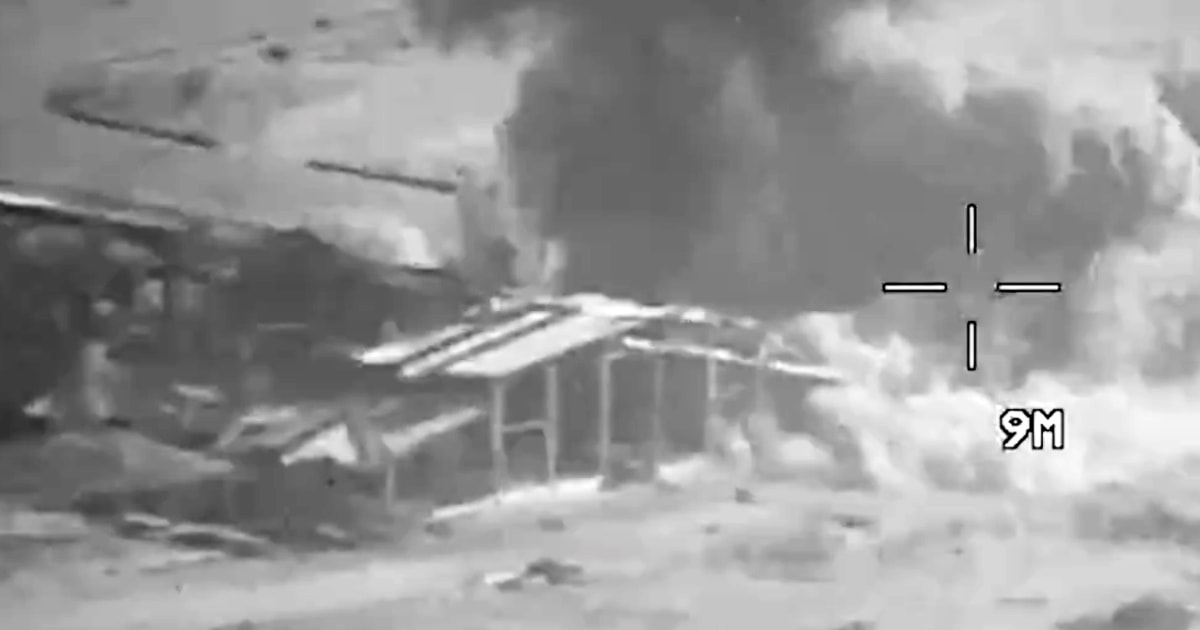
The U.S. military’s active engagement in the region continues, with operations being described as a direct response to Iranian military threats. U.S. Central Command reported on Thursday that they completed their 13th consecutive night of airstrikes targeting Iranian military command and operational facilities. These strikes aim to diminish the threats that Iran poses to commercial maritime operations transiting the Strait of Hormuz, highlighting a broader strategy to ensure freedom of navigation and safeguard economic interests.
Meanwhile, Iran’s response has been aggressive. Reports indicate multiple airstrikes on U.S. bases in locations like Kuwait and northern Iraq, alongside an increase in military readiness. These developments have only further complicated existing tensions, raising doubts about the possibility of renewed diplomacy or peace talks in the future. Iraqi Prime Minister Ali al-Zaidi’s recent visit to Iran underscored Iraq’s delicate position between conflicting regional powers, but optimism for a fruitful dialogue appears dim.
As these conflicts evolve, the broader implications for global energy markets and international relations remain uncertain. As Trump mentioned, he believes that Iran is open to negotiations but suggests that further military actions may need to occur before any comprehensive deal can be achieved. This statement indicates a complex interplay between military action and diplomatic dialogue in addressing the ongoing crises in the Middle East.