
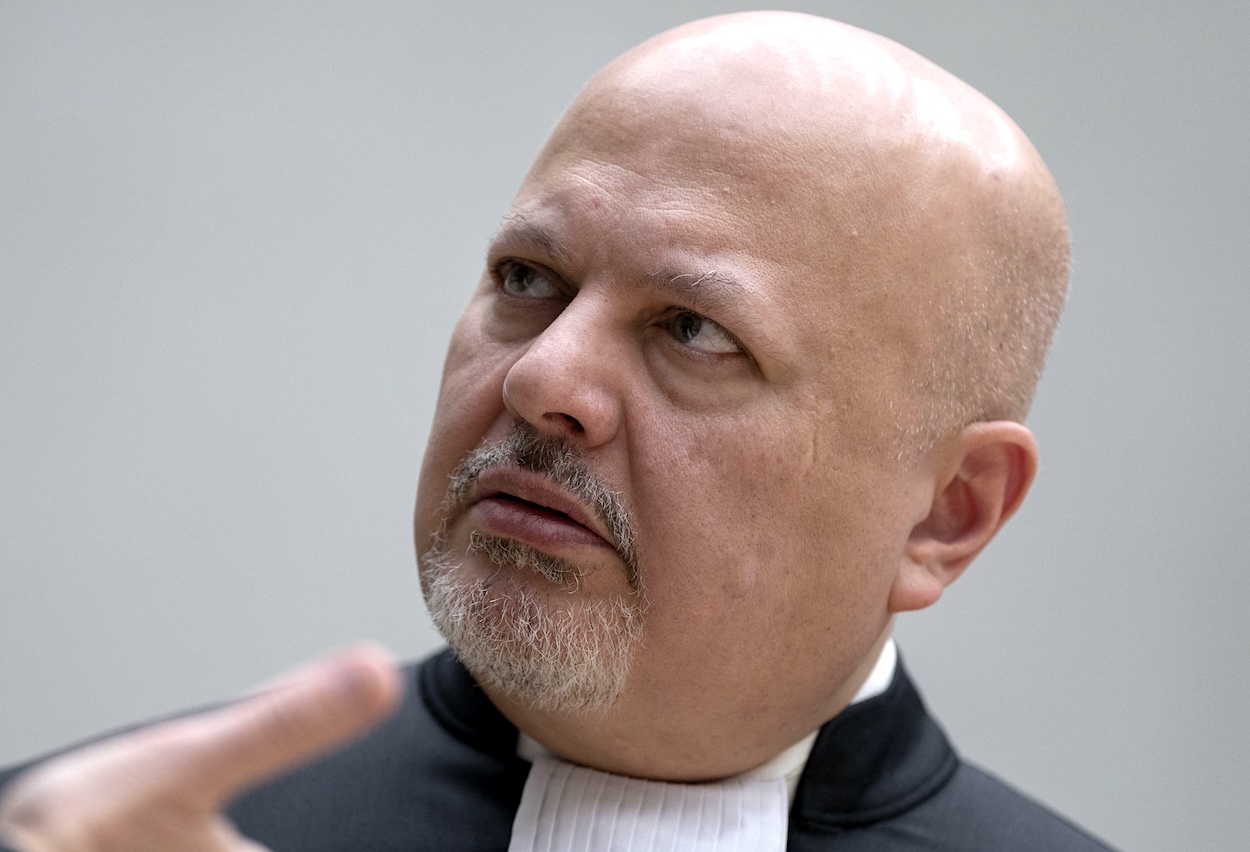
Last month, Karim Khan KC, the chief prosecutor of the International Criminal Court (ICC), was suspended amidst serious allegations of sexual harassment. Reports indicate that a woman, who revealed her identity in a recent CNN interview, claimed that Khan engaged in various forms of non-consensual sexual acts. Despite the gravity of these claims, Khan has categorically denied all allegations.
Diplomatic Decisions on Khan’s Future
Today, representatives from 21 of the ICC’s 125 member nations will convene to vote on whether to make Khan’s suspension permanent and determine any potential disciplinary actions. While the details surrounding the allegations are critical, the focus here shifts to how powers influence global legal frameworks, particularly the ICC and the International Court of Justice (ICJ). These developments shine a light on how states can manipulate narratives and outcomes within these institutions, emphasizing the blurred lines between justice and political agenda.
The Complex Dynamics of International Institutions
The situation surrounding Khan is particularly telling about the nature of global justice. It exposes vulnerabilities in the ICC and ICJ’s claims to impartiality. Both institutions often serve as instruments for states to advance their own agendas. In this case, Qatar appears to be leveraging the ICC to enhance its political objectives related to Israel, raising alarming concerns given Qatar’s role as a mediator in the ongoing Gaza conflict and broader Middle East issues.
Furthermore, the timeline of accusations against Khan began last October. What stands out is Qatar’s strategic engagement in managing Khan’s public relations. Media outlets funded by the Qatari government, including al-Jazeera, have played a significant role in shaping the narrative, featuring Khan’s detailed responses to the allegations in various interviews. This orchestrated involvement raises questions about the integrity of narratives constructed around such serious allegations.
Allegations of Political Manipulation
Khan’s supporters assert that the claims made against him are part of a smear campaign orchestrated by Israel, stemming from Khan’s issuance of an arrest warrant against Israel’s Prime Minister Benjamin Netanyahu. Speculations have emerged alleging that connections between the complainant and Israeli interests were sought, albeit without evidence. Notably, a witness statement reported to the FBI suggested that the Qatari government allegedly pledged to “protect” Khan if he took action against Israeli figures.
In contrast, Khan’s legal representative denied any such arrangements between Khan and Qatar. This underscores the complicated interplay of political maneuvering and humanitarian justice as states engage in covert operations to safeguard their interests, raising concerns over the nature of international law.
Qatar’s Historical Influence on International Law
Qatar’s affiliations with both the ICC and ICJ do not begin or end with Khan. Its past interactions with former ICC chief prosecutor Luis Moreno Ocampo reveal a pattern of close ties forged during his tenure. Public records show that Qatar positioned itself as a regional influencer during pivotal moments such as the Arab Spring. Ocampo’s increasing engagements in Qatar raise the question of whether international legal frameworks genuinely operate independently of state interests.
Moreover, Qatar’s direct involvement in a notorious case against Bahrain in the ICJ, where it submitted forged documents over maritime disputes, exemplifies its lack of accountability. Surprisingly, the ICJ did not condemn Qatar for submitting fraudulent evidence, highlighting a troubling aspect of international jurisprudence and indicating weaknesses within the ICC and ICJ structures.
The intersection of Qatar’s involvement with global justice agencies sparks critical reflections on the boundaries between diplomacy, influence, and the authenticity of international law. As instances like Khan’s case unfold, pressing questions arise about who controls these institutions and to what extent they are truly independent.