
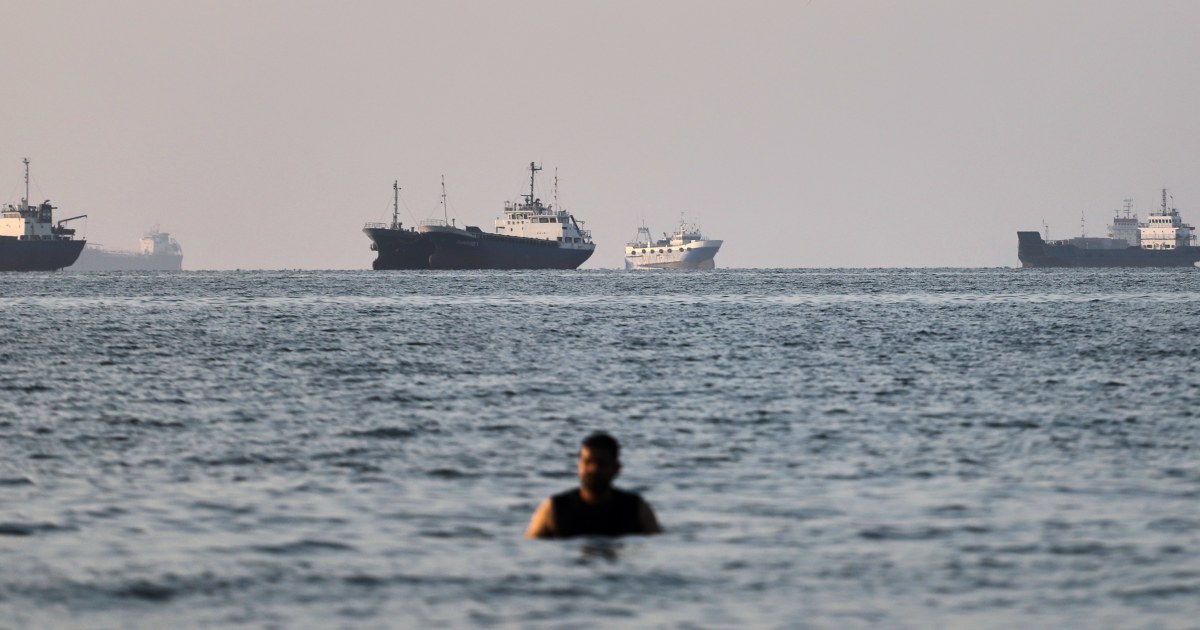
A potential agreement between the U.S. and Iran is reportedly on the verge of completion, with discussions gaining rapid momentum. According to President Donald Trump and Iranian government officials, a memorandum of understanding could soon permit the reopening of the critical Strait of Hormuz, a vital passage for global oil trade.
Timeline for the Agreement
Iranian Foreign Minister Abbas Araghchi expressed optimism, stating that a deal could be finalized within the coming days. He indicated that a signed agreement might happen within one or two days, conveying a sense of hope to Iranian state media. Trump’s endorsement on social media, along with his comments to Axios, highlights his belief that a resolution could occur as early as this weekend or Monday. However, he also criticized misleading reports from Tehran about the deal’s specifics.
International Mediation and Economic Implications
Key mediator Pakistan has asserted that a “final, agreed upon text” for the U.S.-Iran deal has been established. Pakistani Prime Minister Shehbaz Sharif noted that “peace has never been this close.” This deal aims to halt the ongoing conflict, which escalated following U.S. and Israeli military actions against Iran in late February. The war has led to stringent Iranian controls over the Strait of Hormuz, disrupting the flow of approximately 20% of the world’s oil and destabilizing global markets.
Despite a ceasefire agreed upon in April, recent hostilities have continued, prompting concerns that the situation could deteriorate. However, optimism remains, particularly as oil prices recently dropped below $90 per barrel, following Trump’s assertions about an impending peace agreement. U.S. crude futures for July were trading at $84, indicating a potential stabilization in energy costs linked to the resolution.
Contentious Issues and Future Negotiations
While details of the memorandum suggest immediate reopening of the Strait of Hormuz without shipping tolls, Iranian officials have hinted at a different approach. Araghchi mentioned that Iran might implement a service fee for vessels using the strait, emphasizing the nation’s control over this crucial waterway. He added that Iran’s military presence would remain robust in the region, underlining the delicate balance of power at play.
The agreement is expected to include a 60-day extension of the current ceasefire, though specifics around Iran’s nuclear program and the lifting of sanctions are still under negotiation. Critics, including Republican Senator Lindsey Graham, have expressed concern about the potential concessions being made, particularly regarding Iran’s nuclear capabilities. Treasury Secretary Scott Bessent underscored that a successful deal would ultimately lead to economic relief for both nations and more stable energy prices for American consumers.
As negotiations advance, tensions linger in the region, particularly around the Strait of Hormuz. U.S. Central Command has reported intercepting Iranian drones that were targeted at commercial vessels. Despite these challenges, the continued dialogue between the two nations reflects a cautious path toward a resolution that could reshape the geopolitical landscape and foster greater stability.