
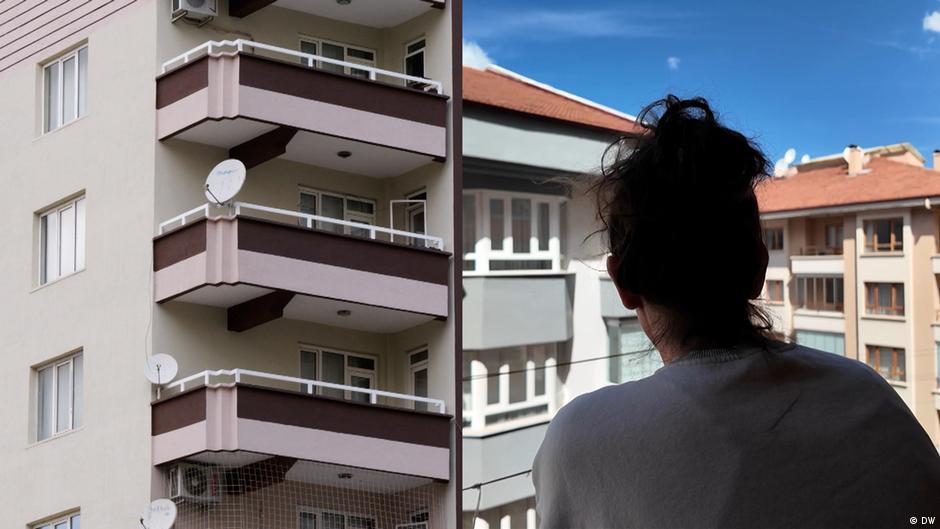
The alarming increase in the number of women in Turkey who die after falling from windows or balconies has raised serious concerns. Many of these incidents are categorized as suicides, but family members, advocates, and legal experts question this classification. They point to inconsistencies in reports, mysterious circumstances surrounding the cases, and investigations that seem to be closed prematurely. Essential questions linger about what truly occurred in these homes, pushing for a deeper understanding of these troubling occurrences.
A Rising Concern: Unpacking Suspicious Deaths
The cases of women falling from heights in Turkey have not only sparked outrage among families but also prompted widespread attention from women’s rights organizations. These groups argue that the official suicide classification often falls short of addressing the reality of these deaths. Instead, they contend that many of these incidents should be categorized as femicides, where underlying motives like domestic violence and societal discrimination are overlooked. Families struggle to find closure while enduring the painful reality of having their loved ones’ lives labeled as mere suicides, forcing them to advocate for more rigorous investigations.
Inconsistencies and Unanswered Questions
One of the most striking aspects of these cases is the prevalence of contradictory statements and unexplained circumstances. Family members often report that evidence, which could indicate foul play, is inadequately preserved or overlooked entirely. This lack of thoroughness raises significant ethical concerns regarding the investigative processes. It appears that rather than fully uncovering the truth, investigations are sometimes rushed, leading to premature dismissals of potential foul play. Questions such as “What evidence was collected?” and “Why weren’t witnesses interviewed thoroughly?” highlight the troubling pattern of negligence in these inquiries.
The Call for Justice
Advocates for women’s rights are galvanizing support to ensure that these deaths are treated with the seriousness they deserve. Their efforts include demanding transparency in investigations and pushing for legal reforms that could foster greater accountability. Families are banding together, sharing their stories to amplify their cause and bring attention to the urgent need for meaningful change. The message is clear: these cases are not just statistics but represent the lives of daughters, sisters, and mothers whose stories deserve justice rather than dismissal.
A Path Forward: Community Engagement and Advocacy
The fight for justice is not solely limited to family members and activists. It requires the engagement of the community and the media to shine a light on these critical issues. Increased public awareness can lead to greater scrutiny of case handling and push policymakers to implement systemic changes. Women’s rights organizations are advocating for enhanced training for law enforcement officers and judicial authorities to recognize and adequately address these types of incidents. By fostering a culture of accountability, the hope is to create an environment where such ‘suspicious deaths’ are thoroughly investigated rather than brushed aside.
In conclusion, the growing number of women falling from windows and balconies in Turkey presents a complex and urgent issue. Familial loss, societal norms, and systemic failures intertwine, calling for comprehensive reform and an unwavering commitment to justice. The collective demand for answers highlights the need to challenge existing narratives, ensuring that every life lost is honored and every story is told. As this movement gains momentum, the hope remains that the tragic trend of dismissing fatalities as mere suicides will fade, paving the way for deeper investigations and a more equitable society.