
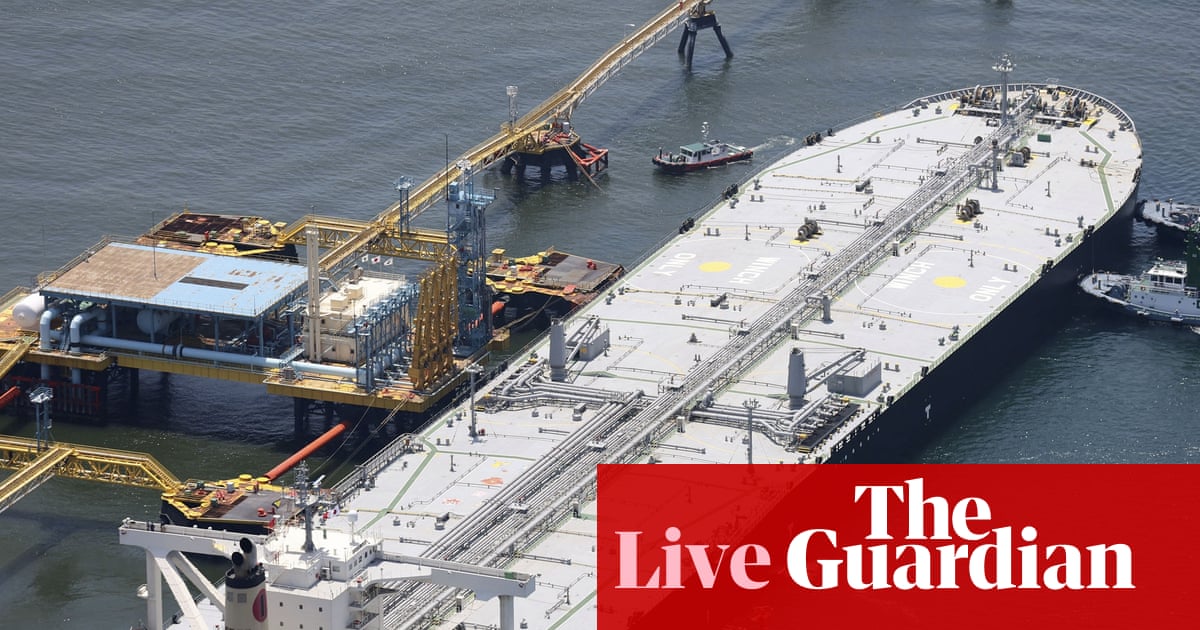
Oil Prices Approach $100: Market Insights
Global markets are reacting to evolving geopolitical dynamics, notably the ongoing discussions between the U.S. and Iran regarding a potential peace agreement. The hope for a resolution has led to a rise in Brent crude oil prices, which are inching back toward the $100 per barrel threshold. This increase, marked by a 2.5% surge to $98.57 today, follows a brief dip below that figure—a first in two weeks.
U.S. and Iranian Negotiations Under Tension
Negotiators from the U.S. and Iran are currently engaged in talks in Doha, aimed at concluding the three-month conflict that has escalated tensions in the region. Despite optimism surrounding the negotiations, recent U.S. military strikes targeting Iranian missile sites and vessels have cast shadows on the prospect of a swift deal. These developments have prompted analysts to question the viability of the ceasefire, with Jim Reid from Deutsche Bank noting that the military actions serve as a stark reminder of the fragile nature of the current ceasefire.
This situation has implications for global trade and economies, particularly as experts express concerns over dwindling confidence in a successful negotiation outcome. Acknowledging this, market analysts are advising caution; while the overall sentiment remains optimistic, the tolerance for negative news appears to be declining rapidly.
Bond Market Response and Economic Outlook
Encouragingly, the government bond market is witnessing a rally, with U.S. debt yields falling. This drop in yields indicates increased demand for safer investments, suggesting that investors are anticipating a return to normalcy in energy supplies, which would alleviate inflationary pressures. Analysts speculate that a successful peace deal could effectively reopen the Strait of Hormuz, vital for oil transportation, thereby stabilizing prices and possibly leading to lower inflation and interest rate adjustments.
Wall Street appears poised for a positive opening following its closure yesterday, reinforcing the sentiment of cautious optimism among investors. Daniela Hathorn, a senior analyst at Capital.com, underscores the current market’s heightened sensitivity to developments in U.S.-Iran relations, stating that any stagnation in negotiations could provoke sharper market reactions in oil, bonds, and equities.
Future Economic Indicators to Watch
Investors and analysts alike are keeping a close eye on upcoming economic indicators to gauge the potential impact of these geopolitical developments on the broader economy. Key reports set to be released include:
- 11 AM BST: CBI distributive trades survey focusing on U.K. retail activity for May.
- 1:30 PM BST: Chicago Fed Index of U.S. National Activity for April.
- 2 PM BST: S&P/Case-Shiller index detailing U.S. house prices.
These reports may provide valuable insights into consumer confidence and economic resilience in the face of global uncertainties, shaping investment strategies accordingly.
Conclusion
The interplay between geopolitical events and financial markets continues to evolve, with the potential for both opportunity and risk. Investors remain hopeful that U.S.-Iran negotiations yield a favorable outcome, stabilizing oil prices and the broader economy. However, market reactions underscore the fragility of this optimism, making it crucial for stakeholders to stay vigilant and informed as the situation unfolds.