
Talks between US and Iranian officials regarding the unfreezing of approximately $6 billion in Iranian assets will continue on Wednesday in Doha, as confirmed by Iran. This marks the first significant diplomatic communication since the two nations agreed to extend the ceasefire and open the strategic Strait of Hormuz.
Current Diplomatic Environment
US representatives Steve Witkoff and Jared Kushner engaged in discussions in Qatar on regional matters, including the Iran ceasefire and Lebanon’s situation. However, Qatar’s Foreign Ministry spokesman, Majed Al-Ansari, clarified that these meetings were specifically with Qatari mediators and not directly with Iranian officials. The ongoing diplomatic efforts highlight the delicate nature of US-Iran relations, showing a need for careful navigation given recent tensions.
Key Points of Discussion
The US delegation is particularly interested in understanding Iran’s plans to impose tolls on vessels passing through the Strait of Hormuz. This initiative is linked to Oman’s proposal to introduce fees for navigational services. However, direct negotiations between the US and Iran to further discuss the memorandum of understanding, signed on June 17, have yet to occur, revealing the existing discord. Iran’s determination to control oil tanker traffic in the strait complicates matters, especially with its opposition to the Lebanon ceasefire arrangements negotiated last week in collaboration with Israel and the US.
Nuclear Program Talks and International Reactions
Thus far, discussions about Iran’s nuclear program remain stagnant, even with only 60 days allocated for these complicated deliberations. While these discussions could theoretically extend beyond the initial deadline, the slow progress has raised concerns among diplomats. Iran’s foreign ministry spokesman, Esmail Baghaei, cautioned European nations like France and the UK against meddling in efforts to de-mine the Strait of Hormuz, asserting that Iran understands its responsibilities and is capable of managing the situation without external intervention.
International Maritime Concerns
The Western world has expressed reservations about Iran’s toll plan for maritime traffic, but there seems to be a readiness to explore Oman’s proposal for voluntary contributions or specific service charges. Meanwhile, informal discussions are underway between the UN’s International Maritime Organization (IMO) and Iran regarding Tehran’s objections to a new sea route through the Strait of Hormuz. The IMO briefly believed it had the Iranian foreign ministry’s consent for this route; however, Iran’s recent military actions against two vessels indicate its unease about potentially losing control over this vital waterway.
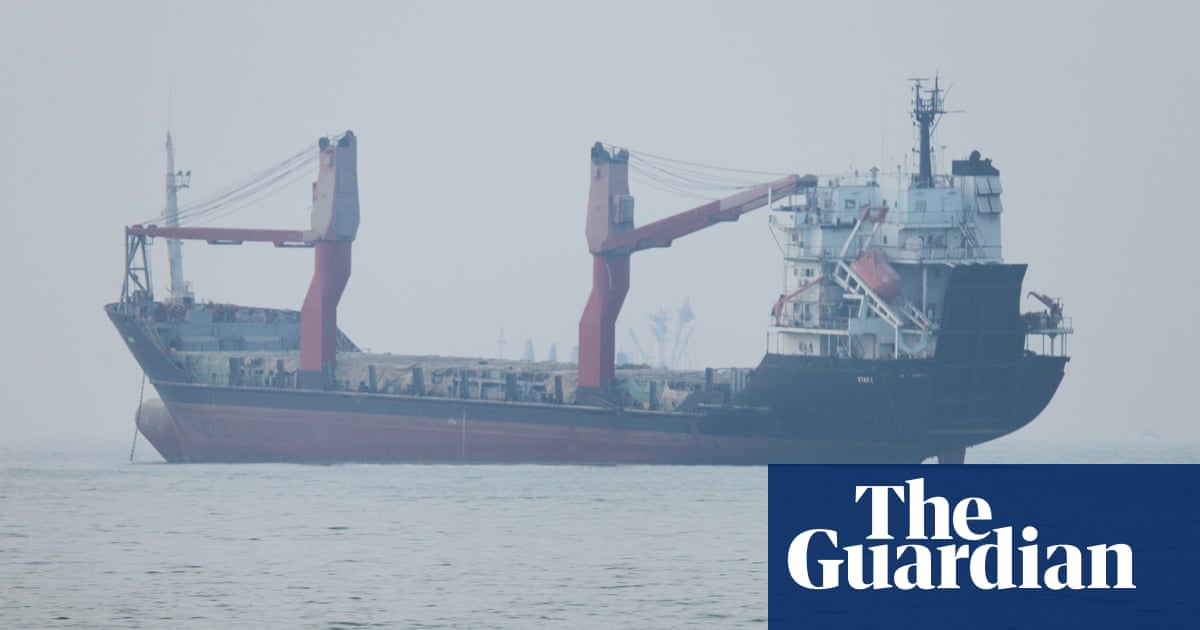
The dynamic situation in the Strait of Hormuz has left hundreds of ships stranded since the outbreak of harassment between the US and Iran, with around 10,000 seafarers caught in limbo. Recent data from maritime tracking firm Kpler noted a rise in vessel traffic through the strait, though concerns remain regarding whether this volume is sufficient to stabilize oil prices. Iran remains committed to resolving the blockade in the region as part of ongoing diplomatic efforts, albeit with significant challenges ahead.
Given the complexity of current relations, it’s clear that the diplomatic path is fraught with obstacles. Baghaei acknowledged the potential for challenges in implementing agreements, stating that a smooth process was never anticipated. The geopolitical landscape following two wars in a year has made negotiations particularly delicate, but there remains an underlying willingness from both sides to engage in dialogue.