
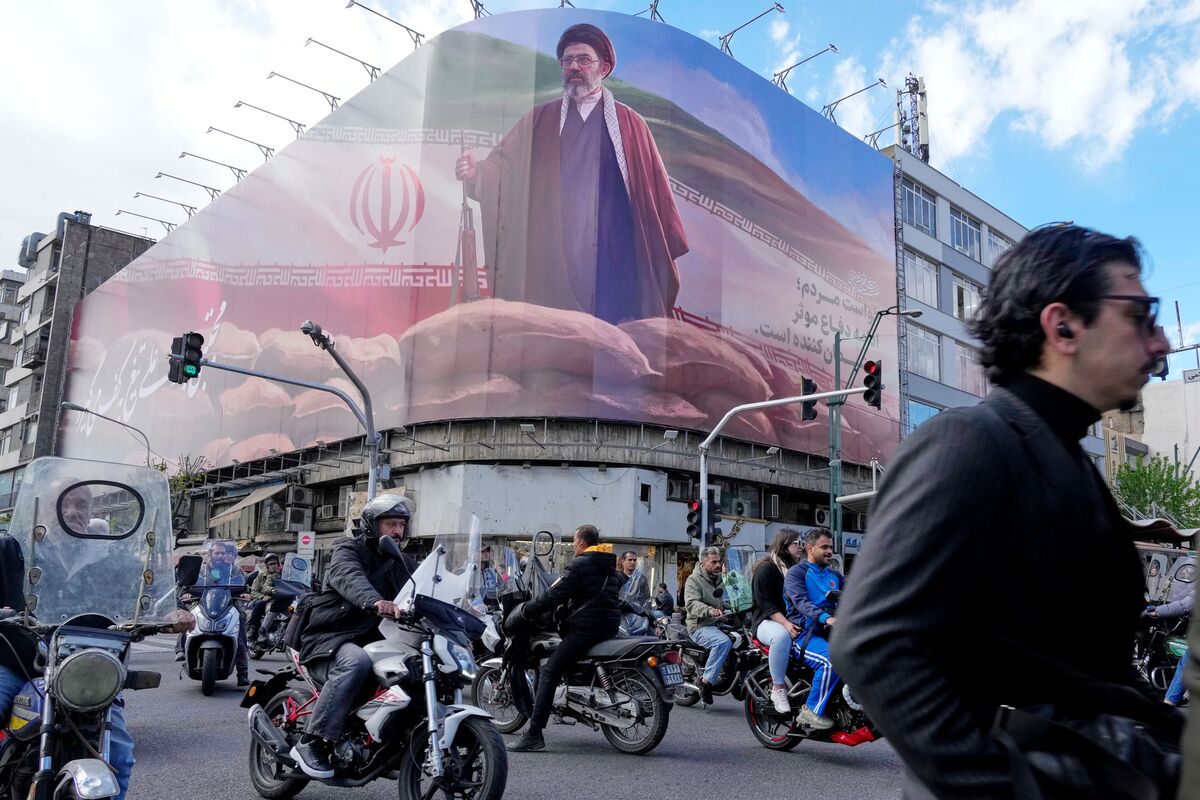
The recent scrutiny of Wall Street banks by the Justice Department has sparked significant interest in Mojtaba Khamenei’s financial empire. As the son of Iran’s Supreme Leader, Khamenei’s business dealings raise questions about potential connections between Western financial institutions and foreign political figures. This investigation could uncover deeper implications regarding financial regulation and ethical business practices.
The Investigation’s Focus
The Justice Department’s inquiry is examining whether major financial institutions on Wall Street played a role in facilitating the growth of Khamenei’s wealth and power. This investigation is not merely a look into Khamenei’s financial ventures; it aims to understand how international financial systems interact with foreign political entities. As U.S. regulators delve deeper, it may lead to revelations about the extent of financial influence from individuals connected to controversial regimes.
Impact on Financial Institutions
The consequences of this investigation could be significant for the banks involved. If evidence shows that they knowingly contributed to Khamenei’s business endeavors, they could face legal repercussions, including fines and heightened regulatory scrutiny. Additionally, the reputations of these financial institutions may suffer, leading to a loss of public trust. Shareholders and clients may alter their investing strategies or choose to withdraw from relationships with banks implicated in the investigation.
Broader Implications for Global Finance
This case illustrates the complexities of global finance, especially when it intersects with political power. The findings could prompt a reevaluation of how Wall Street banks operate in politically sensitive environments. Enhanced regulations may emerge, demanding more transparency about the dealings of financial institutions with individuals linked to authoritarian regimes. Moreover, this situation could influence other Western financial entities, compelling them to reassess their risk management practices and disclosure policies.
The Role of Public Awareness
As the investigation unfolds, public awareness and discourse will play a crucial role in shaping the narrative. Media coverage and public opinion can influence policymakers and financial regulations. Heightened awareness can lead to increased demands for accountability from financial institutions, prompting them to adopt more stringent compliance measures against unethical practices. This heightened scrutiny may also encourage consumers to make informed decisions about which financial service providers to support.
In conclusion, the Justice Department’s investigation into Wall Street banks and Mojtaba Khamenei’s financial empire has far-reaching implications for both U.S. financial institutions and global finance. As this inquiry progresses, it could reshape the landscape of banking practices and regulations, underlining the importance of transparency and ethical conduct in international finance. The outcomes may not only affect the banks involved but also set a precedent for future interactions between finance and politics on a global scale.