
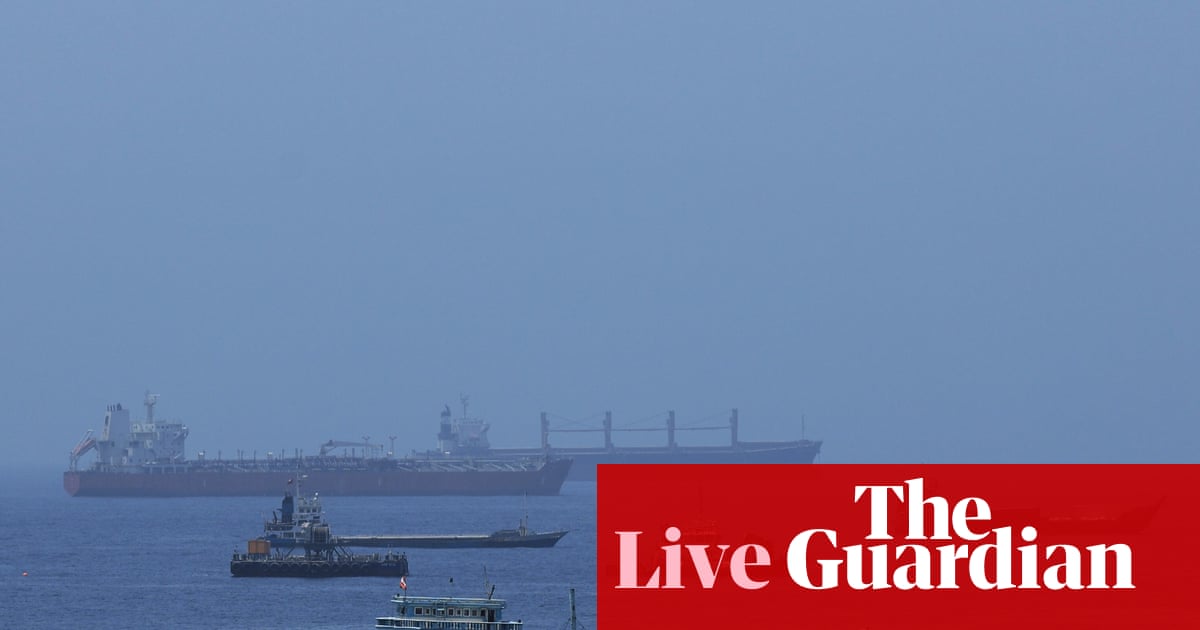
The U.S. military recently conducted aerial strikes against Iran, claiming these actions were necessary in response to Iranian assaults on commercial vessels in the crucial Strait of Hormuz. This escalation highlights the ongoing tensions in the region and raises questions about international maritime security and geopolitical stability.
Background on the Military Strikes
The U.S. Central Command released a statement asserting that the strikes were aimed at holding Iran accountable for its aggressive actions concerning commercial maritime traffic. They specifically cited attacks on three vessels as the catalyst for this military response. Given the strategic importance of the Strait of Hormuz, which signifies a vital passage for global oil transportation, the U.S. regarded Iran’s actions as a grave threat to international trade and navigation.
Recent reports indicate that the specific targets of the U.S. strikes included Iranian air defense systems and missile installations. From Iranian media sources, it is noted that six projectiles struck Taheroui pier in southern Iran, marking one of the first pronounced military actions against Iran in weeks. This retaliation follows a chain of strikes and counter-strikes, underscoring a cycle of aggression between the two nations.
Iran’s Response to Allegations
In retaliation, Iranian officials have strongly condemned the U.S. military operations, characterizing them as blatant violations of a recently signed ceasefire agreement. Iran’s Foreign Ministry emphasized that the U.S. government would bear full responsibility for the repercussions of these actions. They accused the U.S. of undermining peace efforts and violating an understanding that was meant to bolster regional security.
Kazem Gharibabadi, the Iranian Deputy Foreign Minister, highlighted the U.S.’s revocation of a previously approved oil sales license as a significant breach of international agreements. He voiced Iran’s determination to take decisive actions to defend national interests amidst what they perceive as escalating aggressions from the United States.
Strategic Implications for Maritime Operations
The attacks have broad implications for maritime security in the region. The Strait of Hormuz is a chokepoint through which approximately one-fifth of the world’s petroleum passes. Increased military activity in this strategic corridor complicates shipping operations and might lead to higher insurance costs for vessels traversing the area.
Countries and shipping companies may need to reevaluate their strategies in light of these new developments. The ongoing tensions raise concerns about potential disruptions in the oil supply chain and could accelerate discussions about alternative shipping routes, particularly those that would avoid the Strait of Hormuz entirely.
As the situation evolves, the focus will be on international diplomatic responses aimed at de-escalating tensions and ensuring the safety of commercial vessels navigating through one of the world’s most significant maritime routes. The actions taken by both the U.S. and Iran will likely have long-lasting repercussions on regional stability and international relations.