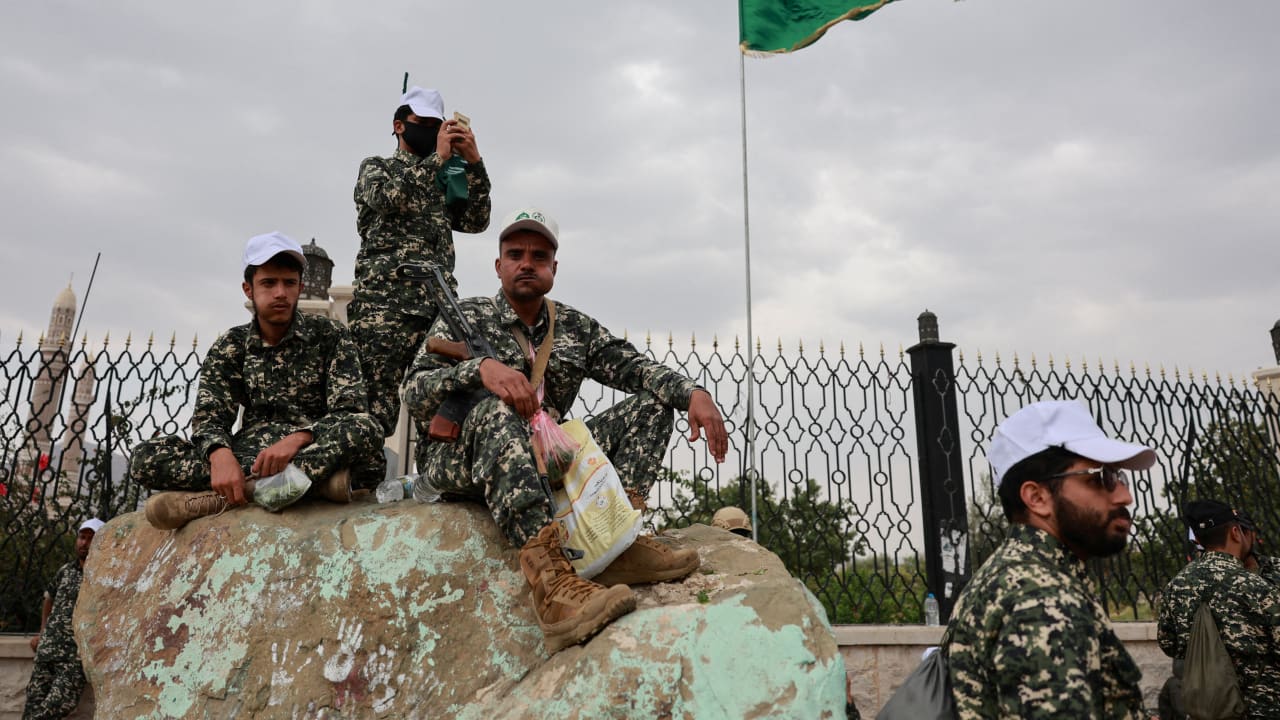
US officials recently held discussions with representatives from Yemen’s Houthi movement in Oman, according to multiple sources familiar with the situation. This meeting occurred shortly after the Iran-affiliated group took control of a significant portion of the Red Sea coastline, marking a considerable shift in the ongoing conflict involving Saudi-supported forces.
Details of the Confidential Meeting
The meeting, which has not been officially announced, took place at the U.S. Embassy in Muscat, with Oman’s government acting as a mediator to facilitate the discussions. Sources, who chose to remain anonymous, indicated that this engagement highlights ongoing diplomatic efforts despite the Houthis being designated as a “foreign terrorist organization” by the Trump administration in March 2025. Following this designation, Washington continued to communicate with the Houthis, even achieving a ceasefire in May of the previous year after a two-month period of airstrikes intended to halt aggressive actions against shipping in the Red Sea.
Houthi Commitments to U.S. Officials
In their discussions, the Houthi representatives conveyed assurances to U.S. officials, stating they had no plans to target American vessels. They also expressed their commitment to uphold the existing ceasefire agreed upon in 2025. Sources indicate that the Houthi delegation included senior leaders, one of whom, Mohammad Abdulsalam, is currently under U.S. sanctions. His attendance, alongside fellow Houthi official Abdelmalik al-Ajiri, demonstrates the significant level of engagement from the group.
US involvement has shifted over the years, particularly following Crown Prince Mohammed bin Salman’s outreach to President Trump last week amidst the Houthi advances. Although Saudi Arabia sought military support amidst the escalations, Washington has communicated its unwillingness to intervene directly in this complex conflict.
The Strategic Importance of the Red Sea
The Houthis recently gained effective control over Yemen’s entire Red Sea coast, including the historic port of Mocha and Perim Island located in the Bab el-Mandab Strait. This strategic control raises concerns about maritime security, especially operations involving shipping and regional trade routes. With the Houthis previously declaring a blockade on Saudi shipping in response to the Saudi blockade of Yemeni ports, the potential for further escalations remains high.
As the conflict unfolds, American and international interests in ensuring freedom of navigation in the Red Sea will be critically tested. A spokesperson from the U.S. State Department highlighted that safeguarding maritime routes and countering the spread of terrorism from the Middle East are central to U.S. strategic objectives, underscoring the importance of these discussions.
In conclusion, the recent secretive meeting in Oman signifies a complex relationship between the U.S. and the Houthis, amid a war that has redrawn alliances and challenged conventional diplomatic practices. As the situation evolves, maintaining dialogue may be key to fostering stability and peace in the region, while countering the broader implications of a prolonged conflict.