
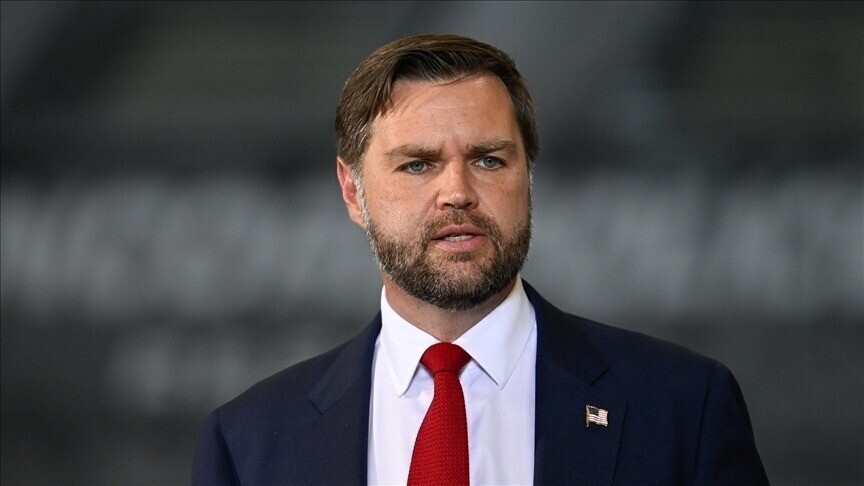
In a recent discussion, US Vice President JD Vance emphasized the complex nature of US-Israel relations, indicating that American foreign policy in the Middle East should not be dictated solely by its partnership with Israel. This commentary sheds light on how the current administration balances the need for strategic alliances with an independent approach to foreign policy.
Nuanced Relations with Israel
During an appearance on the “All-In Podcast,” Vance articulated that while Israel remains a significant ally, there are instances where Washington must assert its own interests. He highlighted that under President Donald Trump, the US recognized Israel’s role as a formidable partner, especially in military technology and intelligence. However, Vance pointed out that this recognition does not preclude moments of disagreement. His remarks underline a more deliberate, nuanced understanding of the relationship, suggesting that the US should not be fully aligned with Israeli policies at all times.
Trump’s Unique Approach
Vance noted Trump’s distinct approach to foreign relations, saying he has been more willing than previous presidents to diverge from Israeli Prime Minister Bibi Netanyahu when American interests diverge from Israeli governmental goals. This perspective invites a broader examination of how US leadership can redefine alliances while maintaining their foundational purpose. It brings to light the idea that a strong alliance does not require complete alignment on every issue, allowing for American policies to prioritize domestic interests.
Comparative Alliances
In his comments, Vice President Vance drew parallels between US foreign policy in the Middle East and its interactions within NATO. He argued that although the US holds significant ties with NATO allies, this does not mean its foreign policy interests will be subservient to NATO directives. By making this comparison, Vance suggests that the US must adopt a similar stance regarding its relationships in the Middle East, avoiding a one-sided approach that compromises its own strategic goals.
A Rational Foreign Policy
Vance concluded with a call for a rational foreign policy that prioritizes American interests. “We’re gonna work with people when we work with them, we’re gonna disagree when we disagree,” he stated, reiterating the importance of a pragmatic approach in international commitments. This mindset applies not only to Middle Eastern relationships but also broadly across all diplomatic and military engagements. By fostering a more balanced focus on American priorities, the Vice President implies that the US can maintain productive partnerships without losing its national perspective.
In summary, the statements made by Vice President JD Vance reflect a pivotal moment in US foreign policy. They underscore the necessity for a balanced approach to international relations that respects alliances while prioritizing national interests. The evolving dynamics between the US and Israel illustrate the complexities of these relationships, demanding nuanced understanding and adaptable strategies.