
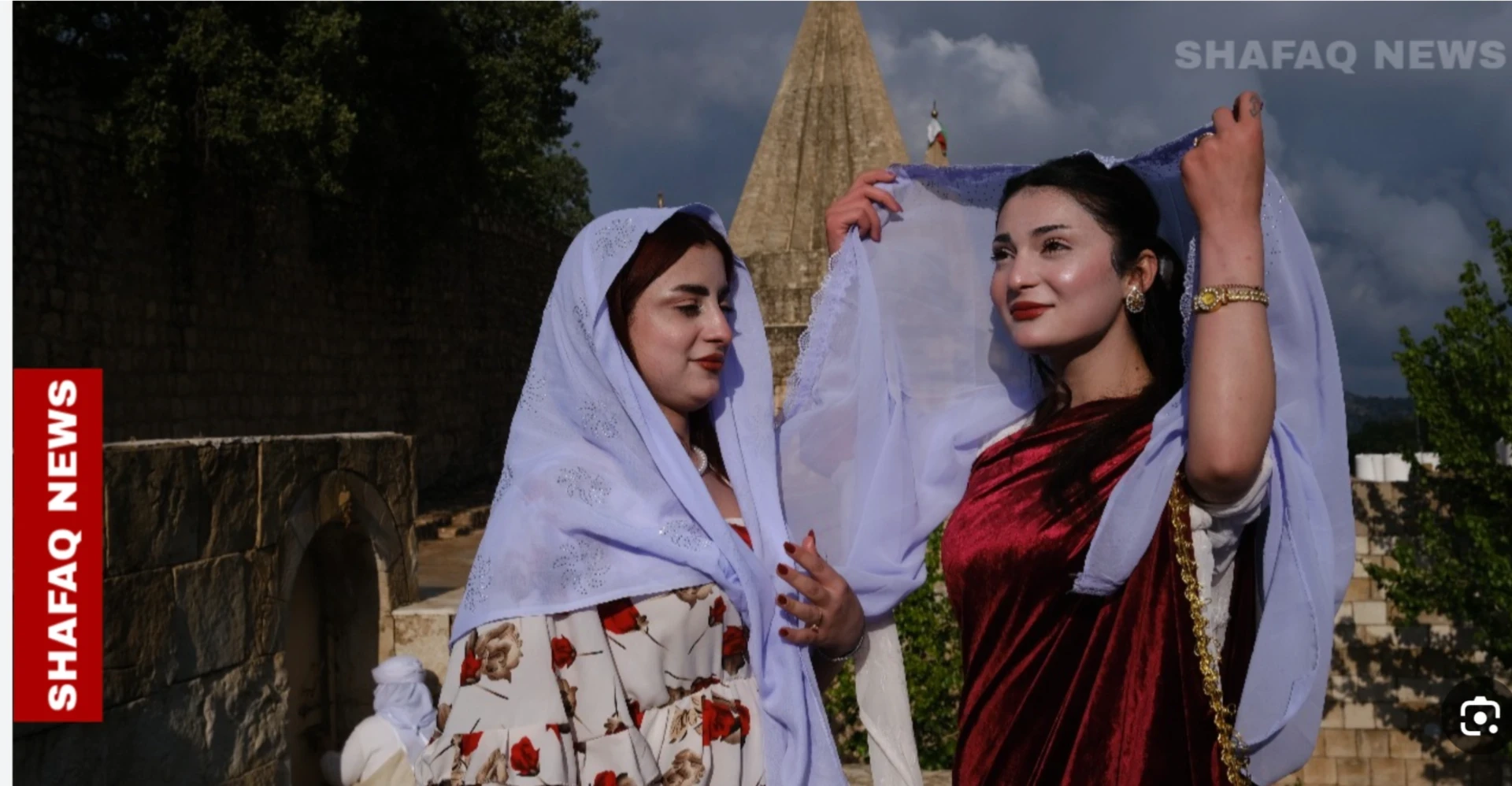
The rise of hate speech on social media in Iraq has sparked serious concerns regarding its effects on the nation’s social fabric, particularly impacting religious and ethnic minorities. As the country currently lacks specific legislation that clearly defines hate speech, various organizations are advocating for measures to combat this issue.
Growing Concerns Among Minorities
Amina Al-Dhahabi, the director of the Hate Speech Center at the Masarat Foundation for Cultural and Media Development, has noted a disturbing trend of escalating hate speech online over the past ten years. According to Al-Dhahabi, such rhetoric has the potential to fracture community ties, fuel violence, and promote extremist ideologies across various spheres including social, political, and religious domains. She emphasized that the lack of accountability for those spreading hatred could have dire psychological and social consequences.
In light of these challenges, Masarat Foundation has proposed legislation to Iraq’s parliament aimed at criminalizing hate speech while balancing the need for freedom of expression. This initiative points to a growing recognition of the necessity for legal frameworks to safeguard vulnerable communities.
Legal Framework Challenges
Iraqi law presently falls short in delineating hate speech clearly. Judge Areej Khalil, affiliated with Iraq’s Supreme Judicial Council, highlighted that while existing provisions – such as Article 195, which covers incitement to civil unrest, and Article 200, addressing hate among different sects – exist, they do not directly target hate speech. Amnesty for victims remains inadequate as they often must resort to laws related to defamation, which do not address the full impact of hate speech effectively.
Furthermore, Ram Asaad Al-Othmani, spokesperson for the ancient Sabean-Mandaean community, echoed these sentiments. He mentioned that Article 7 of Iraq’s Constitution condemns actions promoting racism and sectarian violence, yet the absence of precise laws defining and punishing hate speech leaves victims vulnerable. Al-Othmani noted that over 90% of hate speech targeting his community is rampant on platforms such as Facebook and TikTok.
Impact on Ethnic and Religious Diversity
Minority communities, particularly the Mandaeans and Yazidis, have been disproportionately affected by hate speech. Al-Othmani reported alarming religious condemnation against the Mandaean community, which has witnessed its population dwindle from an estimated 200,000 to less than 15,000 in recent years. Increasingly hostile narratives, including three distinct categories of attacks, continue to marginalize these groups, threatening their existence in Iraq.
Similarly, Yazidi civil activist Salam Haskani stressed the urgent need for laws defining hate speech and establishing legal responsibility for incitement based on religion, ethnicity, or sect. He also underlined the importance of protecting freedom of expression, warning against using legislation to suppress dissenting opinions. The recurring stereotypes and negative portrayals of Yazidis have roots in the horrific atrocities that befell them during the ISIS campaign in 2014.
Efforts to Mitigate Incitement
As a response to the growing concerns surrounding sectarian tensions, a committee has been established to monitor and address ethnic and racial rhetoric. General Abdul-Amir Al-Shammari emphasized that security agencies will take action against any form of incitement, while the judiciary will enforce existing laws. This initiative highlights the commitment to fostering social stability and national unity amid rising hatred.
The Supreme Judicial Council has mandated investigative courts to pursue legal action against hate speech prevalent in both media outlets and social platforms. Their clear directive to scrutinize divisive rhetoric reflects a genuine effort to combat the detrimental effects of hate speech on Iraq’s societal landscape.
In conclusion, the absence of coherent laws on hate speech poses a significant threat to Iraq’s fragile social unity and the safety of its minority communities. As organizations and activists push for legislative changes, the urgency for robust social cohesion and justice remains critically important in safeguarding the rich tapestry of Iraq’s diverse society.