
The escalating tensions in the Middle East have taken a new turn as recent military claims and counterclaims amplify the strife in the region. The United States and Iran are exchanging accusations, while regional instability continues to be exacerbated by ongoing Israeli military actions in Lebanon and Gaza.
Iran’s Accusations and U.S. Denial
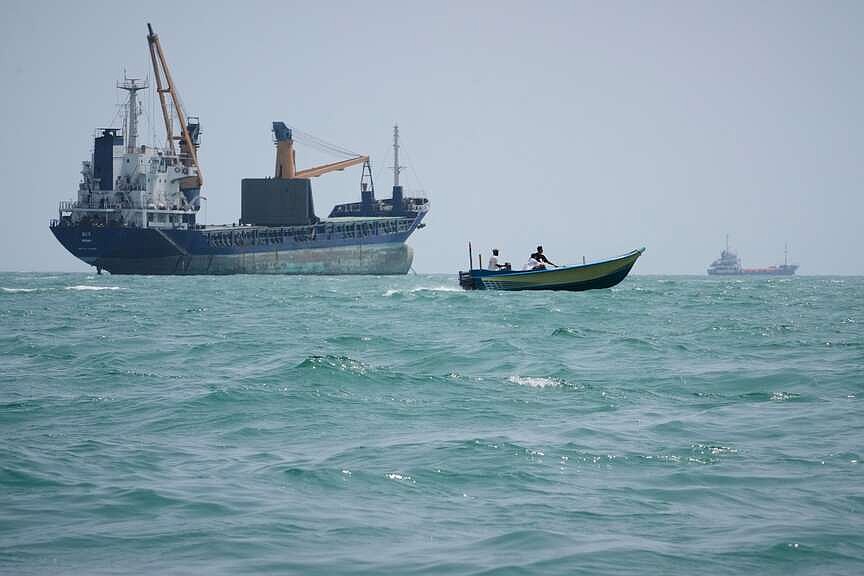
Iran asserted that it had targeted an unmanned American military vessel in the Strait of Hormuz, a claim that the U.S. military has vehemently denied, labeling it a “total lie.” An Iranian official revealed that Tehran intends to establish an “exclusion zone” in this critical waterway, aimed at vessels suspected of attempting unauthorized transit. Capt. Tim Hawkins, spokesperson for the U.S. Central Command, dismissed the Iranian announcement, emphasizing that the vessel was not under threat.
The accusations follow a retaliatory move by the U.S., which struck Iranian oil tankers after Iran launched ballistic missiles at Navy warships. These hostilities marked a notable resumption of violence after a brief period of relative calm. Central Command reported that one of the targeted tankers, the Kylo, sank in the Gulf of Oman, while another, the Stark I, was disabled in the region. It’s notable that reports indicated Kylo was not transporting crude oil at the time of the attack.
Strategic Military Movements and Economic Fallout
As military tensions rise, the U.S. Navy remains actively engaged in ensuring safe passage for commercial vessels in the Strait of Hormuz. Energy Secretary Chris Wright highlighted the collaboration necessary to maintain oil flows through the vital waterway, underscoring the essential role of U.S. military escorts amidst continued Iranian provocations.
Within Iran, economic challenges are at the forefront. Qalibaf, the parliament speaker, signaled an end to “proportionate responses,” pledging that Iran’s retaliations would intensify. Iranian officials like Economy Minister Ali Madanizadeh focus on implementing domestic reforms in response to U.S. sanctions, asserting that the responsibility for economic hardship lies with the Iranian government, not external forces. This internal strife could further complicate the geopolitical landscape and influence Iran’s military and economic strategies.
Israeli Strikes in Lebanon: A Regional Flashpoint
In parallel with these developments, Israeli military actions in southern Lebanon have reportedly resulted in several casualties, including the deaths of seven individuals in recent strikes. Hezbollah’s operations have spurred Israel’s response, affirming the ongoing tension alongside the Iranian activities. Underscoring this dynamic, Israeli military officials stated that the recent strikes were prompted by drone attacks from Hezbollah forces, further escalating the cycle of retaliation.
Since the ceasefire between Israel and Hezbollah was established over two months ago, low-level skirmishes have persisted, adding another layer of volatility to the already fragile situation. The strikes have served to underline the complexity of regional conflicts, where not just military engagements but humanitarian implications come into sharper focus.
The Humanitarian Toll and Future Implications
The humanitarian consequences of this ongoing conflict remain dire, particularly in Gaza, where a mass funeral was held for over 110 Palestinians affected by Israeli attacks. The horrendous toll of the ongoing war highlights the urgent need for diplomatic intervention. International calls for a sustainable resolution are growing louder as the humanitarian crisis in Gaza deepens.
Calls from regional leaders illustrate the need for immediate dialogue to address the challenges at hand. As military escalations continue to unravel, the long-term implications for peace and stability appear increasingly tenuous. The situation requires careful monitoring and a coordinated effort from international actors to mitigate further conflict and promote relief efforts, underscoring the importance of a concerted diplomatic strategy.