
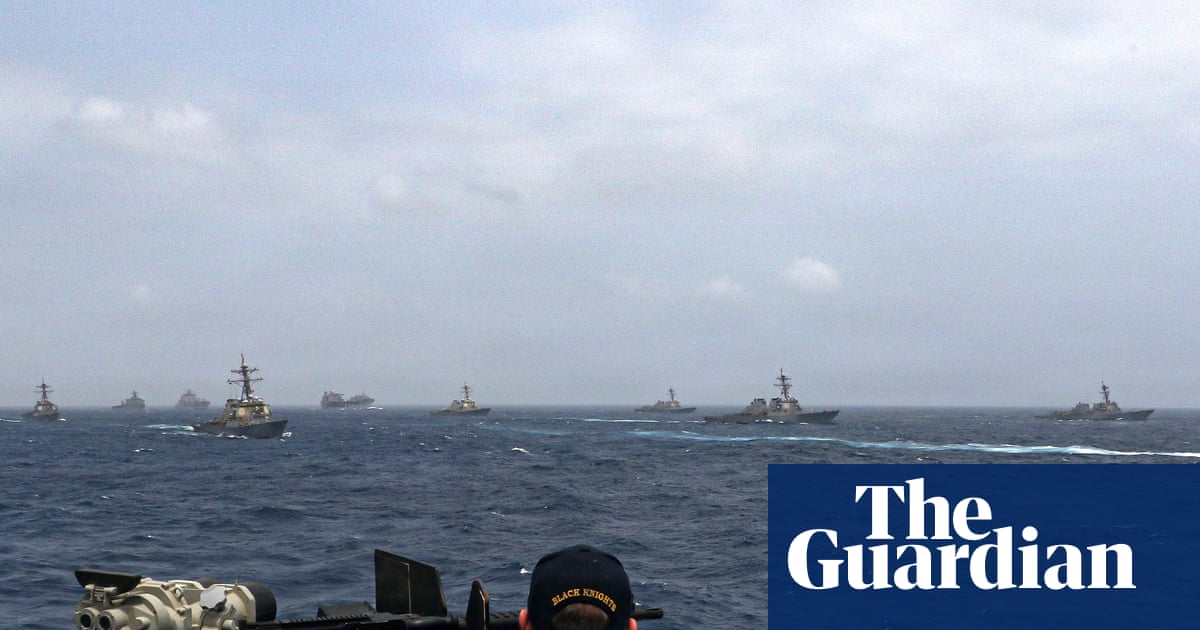
Tensions in the Strait of Hormuz have escalated sharply following a series of military strikes by the United States against Iranian targets. This situation has drawn significant international attention as both countries engage in tit-for-tat actions that heighten fears of wider conflict in the region.
US Military Actions Against Iranian Interests
On Thursday morning, the United States military reported disabling an unladen oil tanker that was attempting to reach Kharg Island in Iran. This action follows a series of strikes that began days earlier, marking a significant escalation in the ongoing conflict. The US employed Hellfire missiles to target the ship after it disregarded multiple warnings, underscoring the high-stakes environment surrounding maritime activities in this vital international passage.
The strikes have not been limited to shipping; they have also targeted key military installations on the Iranian mainland, including missile sites and coastal defenses. Reports indicate that areas around Tehran were affected, with air defense systems actively responding to what appeared to be incoming strikes. Iranian state media claimed substantial damage, with estimates of over 35 fatalities and more than 300 injuries from the US attacks thus far.
Iran’s Retaliatory Measures and Response
In retaliation, Iran has launched attacks aimed at Bahrain and Kuwait, though initial reports have yet to clarify the extent of the damage caused by these strikes. The Iranian government has accused the US of escalating hostilities, stating that strikes against its military infrastructure are tantamount to direct aggression. This ongoing cycle of retaliation reflects a breakdown in the ceasefire that had previously held, leading to increased fear of an all-out war.
The US military’s actions are reportedly aimed at neutralizing Iranian capabilities that threaten the free passage of vessels through the Strait of Hormuz, a crucial waterway that carries a significant share of global oil shipments. Furthermore, the US has reimposed a naval blockade designed to hamper Iran’s maritime access, prompting threats from the Islamic Revolutionary Guards Corps (IRGC) to halt energy exports from the entire Middle East.
Impacts on Global Oil Prices and Diplomatic Relations
The rise in hostilities has had a noticeable effect on global oil markets. Prices for Brent crude oil have risen above $85 a barrel, marking a significant increase from pre-conflict levels. Although the current prices are still lower than those reached during the height of previous tensions, the upward trend signifies growing uncertainty in energy markets linked to geopolitical instability.
Amid these developments, US President Donald Trump claimed that Iran is seeking a resolution to the ongoing conflict, asserting that negotiators from both sides have been in communication. There are indications that Trump is open to broadening military actions, potentially impacting even deeper into Iranian infrastructure if necessary.
Complexities in Diplomatic Efforts
Despite these military and economic pressures, diplomatic efforts have been complicated by escalating hostilities. After a recent memorandum of understanding intended to outline a path toward peace, Iranian leaders have emphasized that they will not adhere to the agreement if it does not bring tangible benefits. Iran’s chief negotiator, Mohammad Bagher Ghalibaf, has stated that any U.S. compliance would be crucial for restoring stability in the region.
Additionally, Iranian officials have indicated that the reinstatement of US commitments toward ensuring maritime safety in the Strait of Hormuz could foster a return to negotiation. These multi-faceted concerns underscore the challenging landscape of diplomacy amidst ongoing military actions and regional tensions.
As the conflict continues to unfold, the world watches closely, recognizing that a misstep on either side could lead to dire consequences for international relations and global economic stability.