
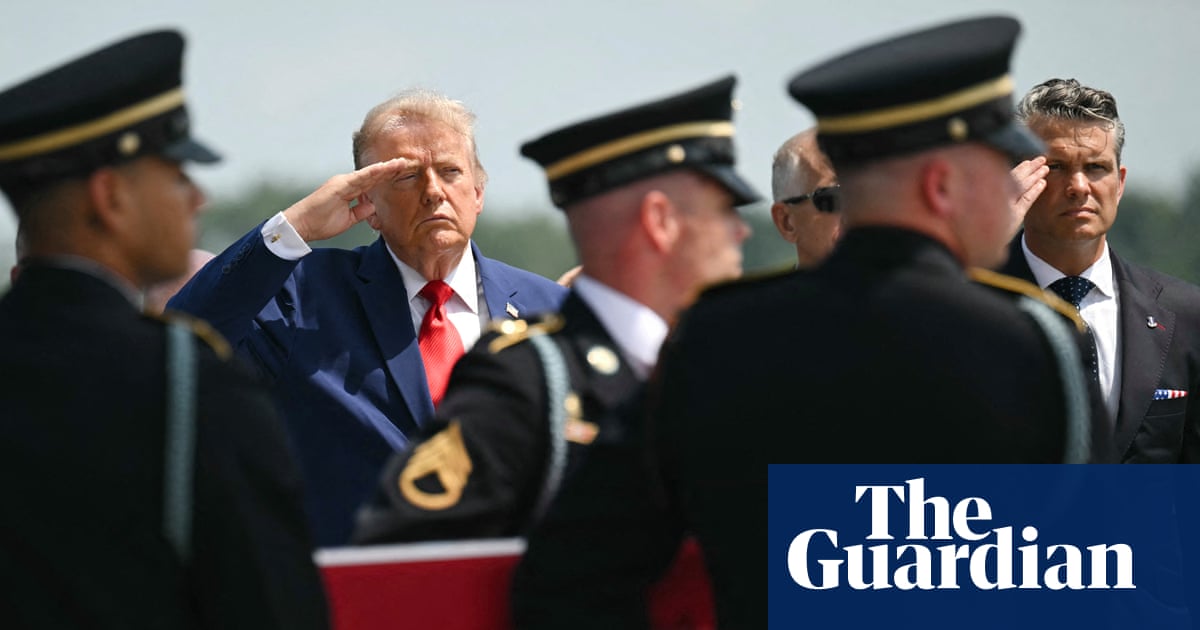
The Pentagon’s decision to reclassify casualties in the ongoing conflict with Iran has sparked significant controversy among military veterans and families. This move has been widely criticized as a grave disrespect to those who have sacrificed their lives in service to the nation.
Criticism from Military Leaders
Veterans are particularly vocal in their condemnation of this administrative change. Michael E. Smith, a retired rear admiral and founder of National Security Leaders for America, stated, “It’s such a huge disrespect for the families. To claim that they weren’t killed as a result of the war – oh, it was just overseas operations – is just ludicrous.” His sentiments reflect a broader concern that the reclassification diminishes the sacrifices of service members who have died or been injured during this conflict.
Recently, the US Department of Defense updated its Defense Casualty Analysis System (DCAS), revealing over 140 new wounded service members. More controversially, they introduced a new category titled “Overseas Operations,” which aims to delineate casualties from the beginning of the military engagement with Iran, further complicating the narrative around troop losses. This new classification has been met with skepticism and disapproval, as many feel it seeks to understate the toll of military operations.
Personal Stories Highlighting the Issue
The implications of this categorical change are deeply personal for many veterans. Tristeza Ordex, a Marine Corps veteran, shared her emotional connection to the issue. She recalled attending ramp ceremonies—memorials for fallen soldiers at the airfield—during her own deployments. “Thinking about it now makes me emotional, to think about how we have people coming home now … 19 years old,” she reflected, referencing the young age of service members like Pvt. Isabella Gonzales, who was killed in action.
Ordex pointed out that by failing to recognize the full sacrifice of service members, particularly from marginalized communities, the Pentagon effectively commits an act of erasure. Her concern emphasizes the interconnectedness of respect, memory, and accountability in honoring those who have served.
Legal and Political Ramifications
The ongoing debate has not only ethical implications but legal ones as well. The War Powers Act of 1973 mandates that the president must end military operations within a stipulated time frame unless Congress officially authorizes an extension. Critics, including Republican representative Thomas Massie, pointed out that the Defense Secretary, Pete Hegseth, is effectively breaking the law due to this reclassification. This legal nuance adds another layer to an already contentious issue, with lawmakers demanding greater transparency regarding the human cost associated with military actions.
Senator Kirsten Gillibrand also weighed in, asserting, “Americans deserve the truth about the human cost of President Trump’s Iran war.” Her comments highlight a collective demand from lawmakers, veterans, and families for accountability and recognition of the sacrifices made by service members.
As the controversy unfolds, it illuminates broader issues related to military operations and moral responsibility. This ongoing conversation urges not only a reexploration of how casualties are classified, but also a commitment to honor those who have made the ultimate sacrifice in service to their country.