
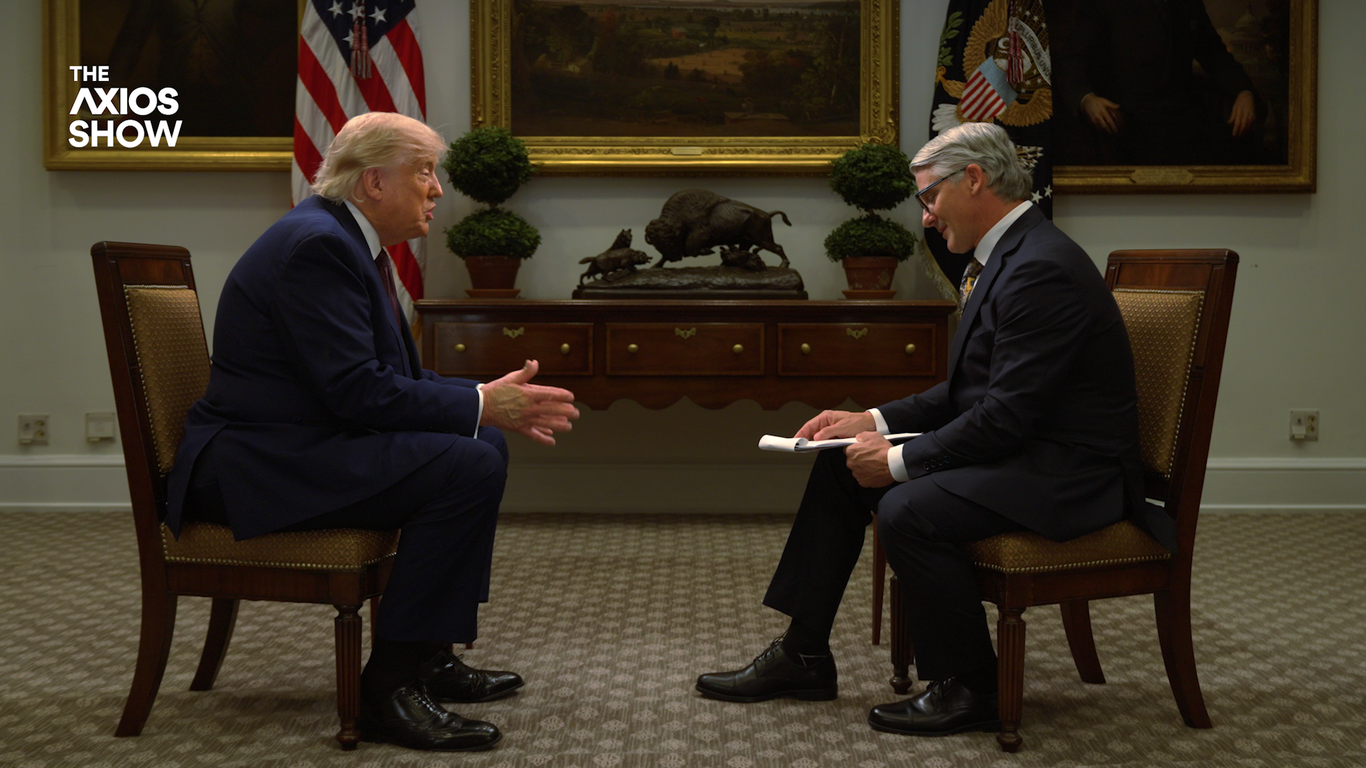
In a recent extensive interview, the president showcased a broad interpretation of his constitutional powers. This revelation has sparked discussions on the implications of executive authority in the current political climate.
Understanding Executive Power
Executive power refers to the authority vested in the president to enforce laws and manage the functions of the government. The interpretation of this power has evolved over time, leading to debates about its boundaries and limitations. In the interview, the president indicated a willingness to stretch the traditional confines of his role, potentially setting a precedent for future administrations.
This expansive view can provoke significant questions about the checks and balances designed to limit executive authority. Many constitutional experts argue that while the president has considerable power within the executive branch, it should not overshadow the roles played by Congress and the judiciary. A healthy democracy relies on a careful balance between these branches, and any attempt to broaden executive reach must be scrutinized closely.
Implications for Policy and Governance
The president’s approach to interpreting executive power can have profound implications for both policy-making and governance. By asserting a bold perspective on his constitutional role, the president might influence critical areas such as immigration, healthcare, and environmental regulations. This approach can lead to expedited decision-making processes in times of crisis but raises alarms about the potential for overreach.
Furthermore, this expansive reading of executive power could also motivate legislative responses. Congress may feel compelled to assert its authority and redefine its role, leading to potential gridlock or conflict between branches. Such dynamics can impact the effectiveness of governance and the implementation of policies that affect everyday lives.
Public Reactions and Future Scenarios
The public’s reaction to the president’s comments has been mixed. Supporters argue that a strong executive is crucial for effective governance in an increasingly complex world. They believe that a decisive leader can navigate challenges swiftly without being bogged down by legislative delays. Conversely, critics warn that an overreliance on executive power could undermine democratic norms and lead to authoritarianism.
As these discussions unfold, it is imperative for citizens to remain engaged in conversations about the limits of executive power. Discussions about accountability and transparency must become central to public discourse to ensure that all branches of government fulfill their responsibilities effectively and justly.
In conclusion, the president’s expansive interpretation of executive power in the recent interview prompts vital discussions about the balance between authority and accountability. As American democracy continues to evolve, it remains crucial to scrutinize the boundaries of power to maintain a government that serves all citizens effectively. Understanding these dynamics not only shapes political discourse but also informs citizen engagement in the democratic process.