
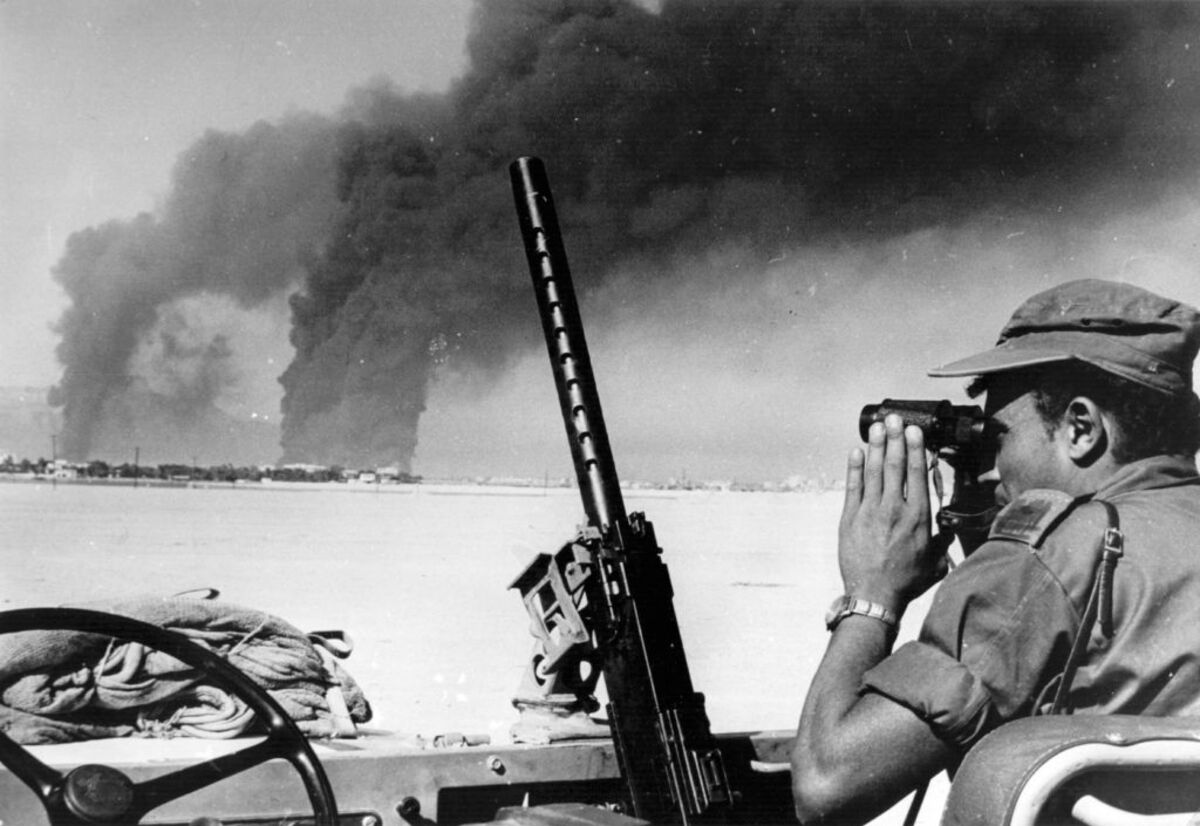
In 1967, a significant geopolitical event led to the closure of the Suez Canal, trapping numerous vessels within its waters. This unprecedented situation drew both maritime and historical interest, particularly due to the prolonged closure of the canal and the fate of the ships that remained anchored.
The Impact of the Suez Canal Closure
Following the outbreak of conflict between Egypt and Israel, the Suez Canal ceased operations, effectively stranding 15 ships. Crews aboard these vessels had no choice but to anchor and await the resolution of hostilities. The war itself was rather brief and later dubbed the Six-Day War, but the implications for the maritime industry were profound. Despite the conflict’s quick resolution, the canal remained inaccessible for eight long years, demonstrating the significant geopolitical influence on global trade routes.
The Fate of the Stranded Fleet
By the time the Suez Canal reopened in 1975, the situation for the trapped fleet had deteriorated dramatically. Out of the initial 15 ships, only two managed to retain their seaworthiness. The majority of the vessels had fallen victim to the elements and rust, earning the collective nickname “the Yellow Fleet.” This title reflected not only their physical condition but also served as a reminder of the long-term consequences of geopolitical disputes on international navigation and trade.
Rediscovering the Yellow Fleet
The story of the Yellow Fleet serves as a fascinating chapter in maritime history. These ships became a symbol of resilience and adaptability as they endured the extended period of confinement. Over the years, they garnered attention from historians and maritime enthusiasts alike, not only for their plight but also for the lessons they impart regarding the vulnerabilities of global trade against the backdrop of international conflicts.
Lessons Learned and Future Implications
The saga of the Yellow Fleet is a cautionary tale for today’s shipping industry. It highlights the critical importance of having alternative routes and the ability to adapt to sudden geopolitical changes. Additionally, it underscores the significance of international cooperation in maintaining essential trade passages. In an increasingly interconnected world, the lessons derived from this historical incident remain relevant, reminding us that global trade can be precarious and affected by factors beyond mere market dynamics.
In summary, the closure of the Suez Canal and the resulting plight of the Yellow Fleet illustrates how geopolitical events can profoundly impact global commerce. The resilience of the trapped vessels serves as a poignant symbol of adaptability in the face of adversity, providing valuable lessons for today’s maritime and trading industries.