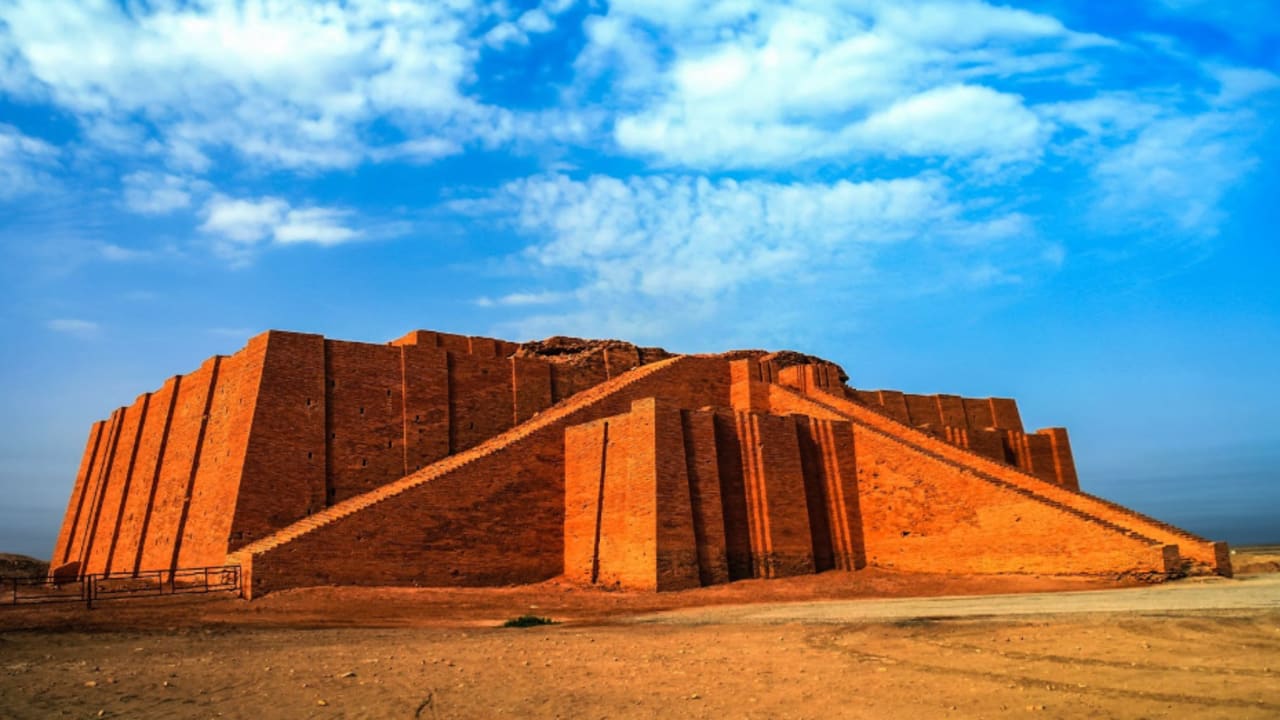
Iraq is taking significant steps to preserve its ancient heritage by initiating restoration work on the famed Ziggurat of Ur. This monumental structure, which dates back approximately 4,000 years, is a prime example of ancient Mesopotamian architecture and cultural significance.
Current Restoration Efforts
The restoration project aims to rejuvenate various levels of the ziggurat. Reportedly, the focus will be on repairing the first level, renovating the three grand staircases, and addressing cracks found on the second level. Archaeologists will guide the work on the third level, utilizing existing archaeological evidence to ensure accuracy. This marks the seventh major restoration of the ziggurat since its initial construction during the Third Dynasty of Ur, around 2112 BCE. The project is scheduled for completion by July 2026.
Historical Context
Originally erected in veneration of the moon god Nanna, the ziggurat served as a temple and ceremonial center for the people of Ur. Over time, it fell into ruin, particularly during the Neo-Babylonian period. However, the last Neo-Babylonian king, Nabonidus, undertook restoration efforts to revive the structure prior to the empire’s decline. The Ziggurat of Ur is not only remarkable for its architecture but also for its cultural significance as it is believed to be the birthplace of the biblical figure Abraham.
The Impact of Climate Change
Despite its historical and archaeological importance, the Ziggurat of Ur faces challenges, particularly from climate change. Recently, the Iraqi government allocated about $382,000 to combat the threats posed by rising temperatures and fluctuating weather patterns. According to experts, the site is in a critical state due to exposure to harsh elements, which can lead to further deterioration and possible collapse. Reports highlight an increase in soil salinity due to extreme weather and the erosion caused by wind and shifting sand dunes.
Future Conservation Plans
Moving forward, conservative measures will be put in place to maintain the ziggurat regularly. As emphasized by archaeologist Kadhim Hassoun Honeihin, meticulous attention will be paid to the materials used in the restoration. Samples taken from the ziggurat will ensure that new bricks replicate the original’s chemical and physical properties. In addition, local clay from Ur will be utilized to maintain authenticity in the restoration efforts.
Iraq’s commitment to preserving its ancient heritage is underscored by this initiative to restore the Ziggurat of Ur, highlighting its cultural relevance and the need for ongoing conservation in the face of modern challenges. The proactive steps taken today will help safeguard this vital piece of history for future generations.