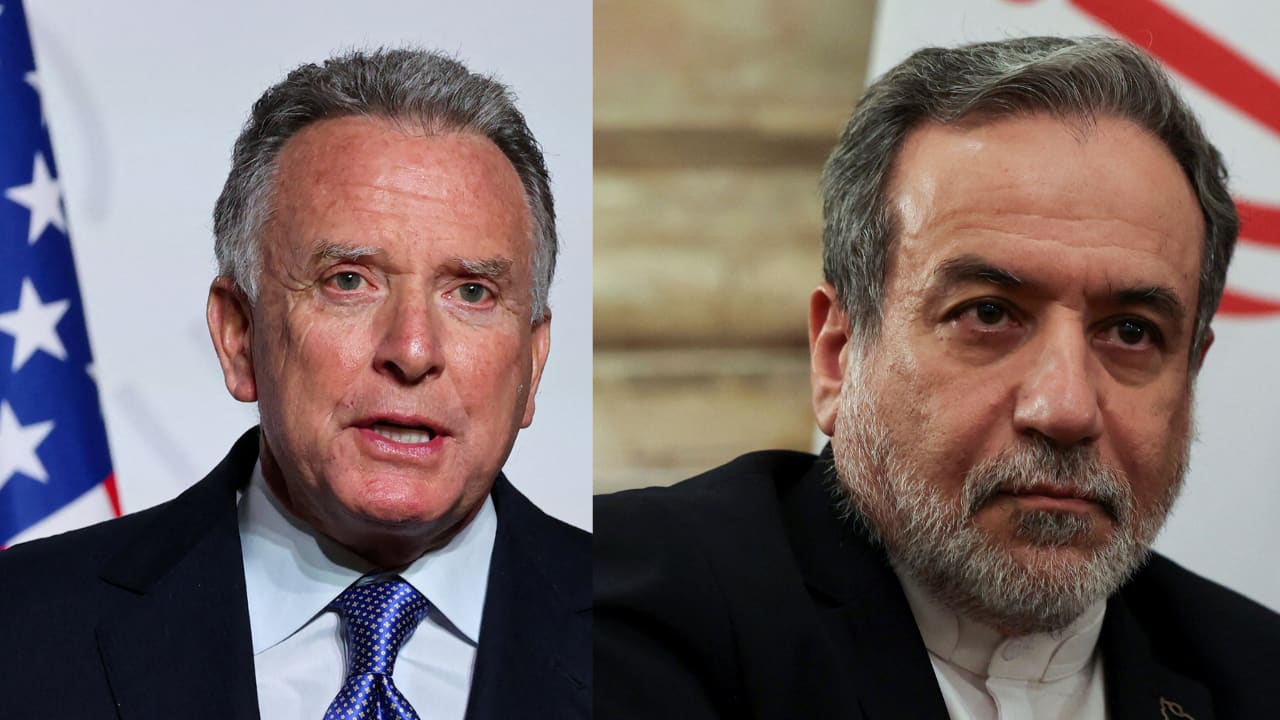
The dynamics surrounding Iran’s position in the Strait of Hormuz have taken an intriguing turn. There is growing speculation that Iran may be struggling to maintain its blockade in this strategically vital waterway. The Iranian government had hoped that by cutting off shipping, it could disrupt global markets and pressure the United States into scaling back its military and economic sanctions.
### Iran’s Strategy and U.S. Response
Iran believed it had devised a clever strategy to leverage its control over the Strait of Hormuz to influence American policy. Aiming to end the ongoing conflict and alleviate the blockade imposed on Iran, it seemed confident that the U.S. would eventually acquiesce. However, the United States has largely dismissed Iran’s tactics. This unexpected dismissal raises questions about Iran’s future actions and strategies.
The Iranian government has recently initiated discussions about a temporary seven-day relaxation of its blockade, which has been a topic of conversation for over a week. This shift suggests that Tehran might be vulnerable and seeking to ease tensions, perhaps in the hope that the upcoming United Nations General Assembly in New York could facilitate a breakthrough. Nevertheless, U.S. interest seems lukewarm at best, as reports indicate a “cold shoulder” from Washington in response to Iran’s overtures.
### Diplomatic Channels and Conditions
Iran’s Foreign Minister, Abbas Araghchi, reported that Tehran had not received any formal feedback from the U.S. regarding its proposal. As diplomatic discussions unfold, Iran’s conditions for reopening the Strait of Hormuz appear to hinge on several significant demands. Among these are the release of its frozen assets, a cessation of hostilities across various fronts including Lebanon, and the dismantling of the U.S. naval blockade surrounding Iran.
The U.S. finds itself in a precarious position. Having invested considerable resources in the ongoing conflict since February, it is unlikely to acknowledge any concessions easily. Washington’s primary objective remains the prevention of Iran’s nuclear ambitions, and it has shown little willingness to bend to Tehran’s demands without substantial benefits in return.
### The Complexity of Negotiations
As the situation unfolds, it becomes evident that both nations believe they hold favorable positions. Iran seems to consider itself as having the upper hand, frequently suggesting interim deals that could prolong discussions without achieving a final resolution. Meanwhile, U.S. officials have expressed skepticism about the credibility of Iran’s negotiating tactics, suspecting they may complicate achieving a stable agreement.
President Trump’s remarks further illustrate this tension. He has indicated a preference for waiting until after the midterm elections to negotiate, believing that time could be on the U.S.’s side. His stance implies a significant reluctance to engage in a short-term deal that might not yield tangible benefits.
### The Path Forward
For any prospective negotiations to succeed, it is clear that both sides must reassess their expectations and demands. Iran’s strategy of suggesting a seven-day plan may require more substantial proposals to ensure U.S. cooperation. Conversely, the U.S. must navigate its own political landscape and the complexities of bipartisan interests to avoid appearing weak or conceding unjustly to Iran.
Ultimately, the current stalemate in the Strait of Hormuz is a delicate balancing act of power, perception, and timing. As both Iran and the U.S. continue to evaluate their strategies, the path forward will depend heavily on diplomatic creativity and mutual concessions, underscoring the intricate geopolitical chess game being played in this vital region.