
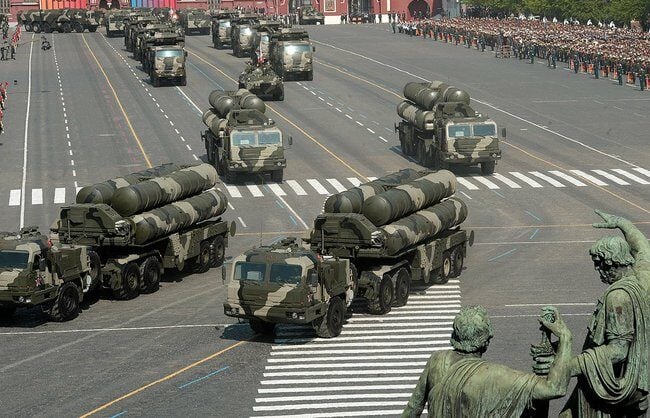
Russia is open to the idea of relocating Turkey’s S-400 missile systems to a friendly nation, according to Russian Foreign Affairs Minister Sergey Lavrov. This proposal comes amidst ongoing discussions about Turkey’s military acquisitions and its implications for international relations, particularly with the United States.
Context of the S-400 Acquisition
In 2019, Turkey’s purchase of the S-400 air defense systems from Russia raised concerns among NATO allies, especially the United States. As a direct result, Turkey was expelled from the F-35 fighter jet program, a move that significantly impacted its defense capabilities. The U.S. argues that integrating the Russian S-400 into NATO’s defense framework poses security risks, which has led to long-standing tensions between Turkey and its Western allies. Despite this, Turkey has attempted to renegotiate its position regarding the F-35 program to regain access to advanced fighter technology.
Recent Developments and Negotiations
Lavrov made his remarks during a press conference at the United Nations General Assembly, where he addressed inquiries about Turkey’s potential transfer of S-400 systems to the United Arab Emirates. He reaffirmed that Russia resides in a position of openness but has yet to receive a formal request regarding the transfer. The Minister stressed the importance of ensuring that these systems would be managed responsibly and only within friendly countries to prevent misuse.
Turkish officials have indicated a desire to lift U.S. sanctions linked to the S-400 deal, with recent comments from Turkish Foreign Minister Hakan Fidan suggesting that negotiations are ongoing. Nevertheless, U.S. Secretary of State Marco Rubio has underscored that the sanctions would hinder Turkey’s re-entry into the F-35 program unless it resolves its relationship with the S-400 systems.
Possible Pathways Forward
The enduring discussions between Washington and Ankara indicate a pursuit of a diplomatic solution, despite the complexities involved. Reports from summer 2026 hinted at potential pathways involving the transfer, storage, or disposal of the S-400 systems as part of a broader deal. However, specified outcomes are yet to be finalized, leaving open the question of Turkey’s future role within NATO and its military capacities.
During a recent New York appearance, Turkish Foreign Minister Fidan reiterated that both Turkey and the U.S. continue to have the political will to reach an agreement. However, the protracted nature of talks suggests that a resolution may not materialize in the near term. As these negotiations unfold, the geopolitical ramifications concerning security dynamics within NATO and beyond remain a critical focus for both nations.
In summary, the potential relocation of Turkey’s S-400 missile systems could serve as a pivotal point in U.S.-Turkey relations, though various legal and political hurdles still exist. Both sides must navigate these challenges carefully to ensure that their strategic interests align while maintaining accountability in defense agreements.