
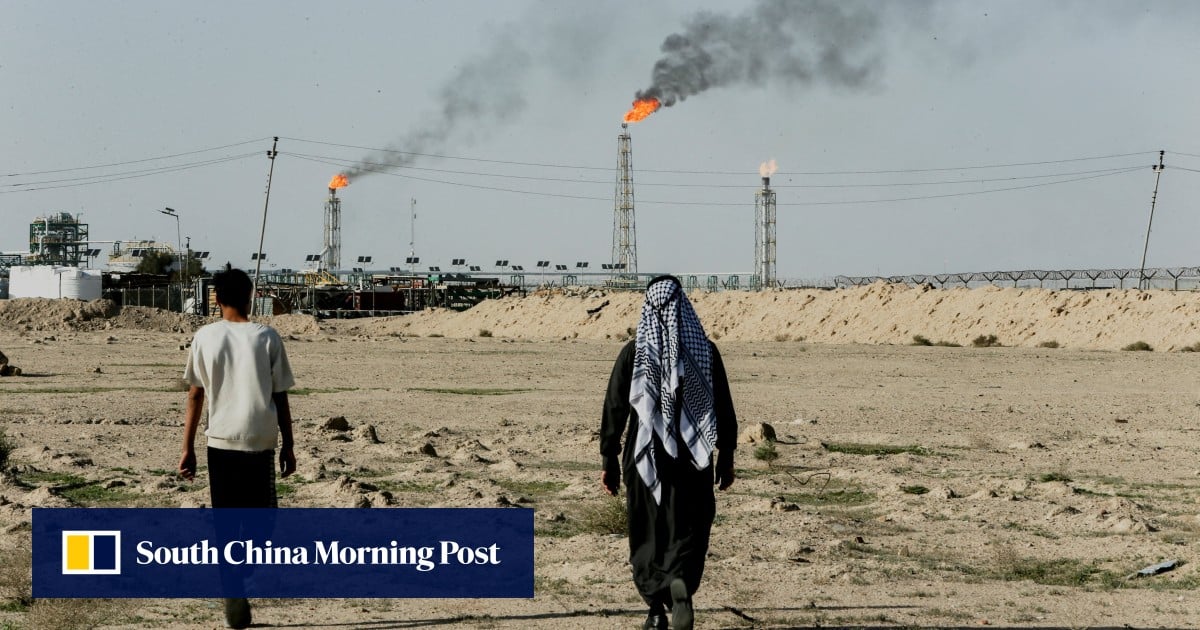
Iraqi oil that had been held up due to regional conflicts has recently found its way out of the Persian Gulf. Over the past ten days, the Strait of Hormuz has allowed ships to navigate more freely during a delicate ceasefire between the US and Iran, enabling a significant movement of crude oil to various global markets.
Oil Shipments Resume Amid Ceasefire
In late June, approximately 14 million barrels of Iraqi oil were successfully transported out of the Gulf. This influx is notable for the oil market, as it translates to around 1.4 million barrels per day during this ten-day window. This reopening comes after an extended period of stagnation, where numerous oil shipments were obstructed in the region due to heightened tensions between the US and Iran.
Impact of Regional Conflicts on Oil Trade
Since late February, all cargoes that had been stranded in the Gulf have now set sail toward their intended destinations. This shift highlights the fragile nature of oil transportation in light of geopolitical conflicts. Following the start of US and Israeli military actions against Iran on February 28, a large number of vessels were stuck in the Gulf as Iran took measures to close off the Strait of Hormuz. This strategic waterway is crucial for the passage of nearly 20% of the world’s oil and gas supply, making any disruption significant.
Future Outlook for Iraqi Oil Exports
The recent surge in shipping activity signals a possible easing of tensions in the region. The ceasefire between the US and Iran appears to have paved the way for more stable conditions that could benefit oil exports not only from Iraq but also from neighboring countries. As both sides aim for a lasting peace deal, the international oil market may start to see more favorable trading conditions that could influence prices positively.
Conclusion: Navigating Through Uncertainty
In summary, the flow of Iraqi oil through the Strait of Hormuz has resumed, demonstrating the resilience of the oil market amid geopolitical strife. With over 14 million barrels exported during a relatively short period, the sector is poised for potential growth as efforts toward peace continue. However, the complexities of regional politics will still play a crucial role in determining the long-term stability of oil shipments and prices.