
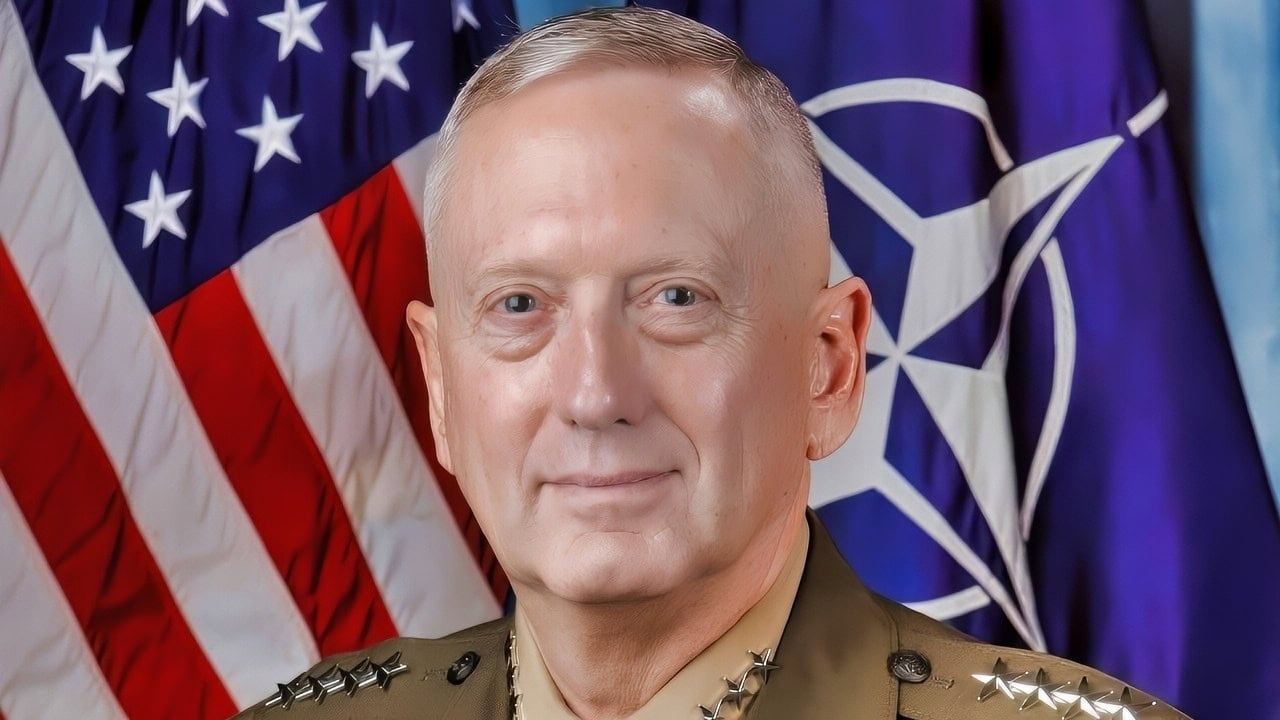
James Norman Mattis, a figure synonymous with military strategy and leadership, has left an indelible mark on modern U.S. military philosophy. His succinct yet profound advice to Marines in Iraq—“Be polite, be professional, but have a plan to kill everybody you meet”—captures his complex approach to leadership. This statement, popularized in Thomas Ricks’ book “Fiasco,” highlights a balance of courtesy and lethal readiness that defines Mattis’s career. Through the years, his wisdom has been immortalized on various mediums, emphasizing his influence on military and business leaders alike.
The Early Life of James Mattis
Mattis, born on September 8, 1950, in Pullman, Washington, was characterized by a thirst for knowledge amid a family environment devoid of television. His upbringing in Richland nurtured his love for reading and learning. He enlisted in the Marine Corps Reserve at 18, later achieving a degree through ROTC at Central Washington University. Commissioned as a second lieutenant in 1972, Mattis carved out a two-decade career involving roles in infantry and weapons platoons, navigating the challenges of leadership without the glamor often associated with high ranks.
What set Mattis apart was his intellectual curiosity; he amassed a personal library exceeding 7,000 volumes. This commitment to learning earned him the moniker “Warrior Monk,” a title he often joked about. His unique perspective was complemented by a work ethic that prioritized preparation and understanding, which he passed on to future leaders in the Marine Corps.
Combat Experience and Leadership
Mattis’s combat career spanned crucial U.S. conflicts, from Operation Desert Storm to the invasions of Iraq and Afghanistan. In Desert Storm, he commanded the 1st Battalion, 7th Marines, making decisive contributions during Task Force Ripper’s advance into Kuwait. Later, in Afghanistan, he led a task force from naval vessels, marking him as the first Marine to command a naval task force in combat. His leadership in the 2003 invasion of Iraq was notable, as he guided the 1st Marine Division to Baghdad in just 17 days, emphasizing the necessity of strategic thinking alongside firepower.
His involvement in the First Battle of Fallujah in 2004 further demonstrated his strategic prowess. Collaborating with Army General David Petraeus, he co-authored counterinsurgency doctrines that reshaped military operations for both the Army and Marines. Despite moments of controversy, including remarks made at a 2005 panel that drew criticism, his legacy reflects a blend of tactical brilliance and candidness, reinforcing his reputation as a notable military leader.
A Legacy of Leadership
Mattis quickly ascended through military ranks, ultimately reaching four-star general status and leading key commands, including Central Command in 2010. His tenure at CENTCOM was marked by a robust stance on defense policy, particularly regarding Iran, which reportedly concerned the Obama administration. After retiring in 2013, he took on academic and advisory roles, including teaching at the Hoover Institution.
In December 2016, Mattis was nominated as Secretary of Defense, with Congress granting him a waiver due to his recent retirement. As Secretary, he prioritized rebuilding military readiness and reinforcing alliances. However, he resigned in December 2018 following a disagreement over a withdrawal order from Syria, a decision he viewed as fundamentally misaligned with U.S. values. His resignation letter exemplified his commitment to a respectful and principled approach to governance and international alliances.
Mattis’s military wisdom and leadership philosophy continue to resonate well beyond his time in service. The iconic sentence delivered to Marines has endured as a cultural reference, illustrating the challenges of military leadership and the complex interplay of diplomacy and warfare. His teachings remain ingrained in both military training and corporate leadership regimes, proving that the principles of respect and readiness transcend societal boundaries.