
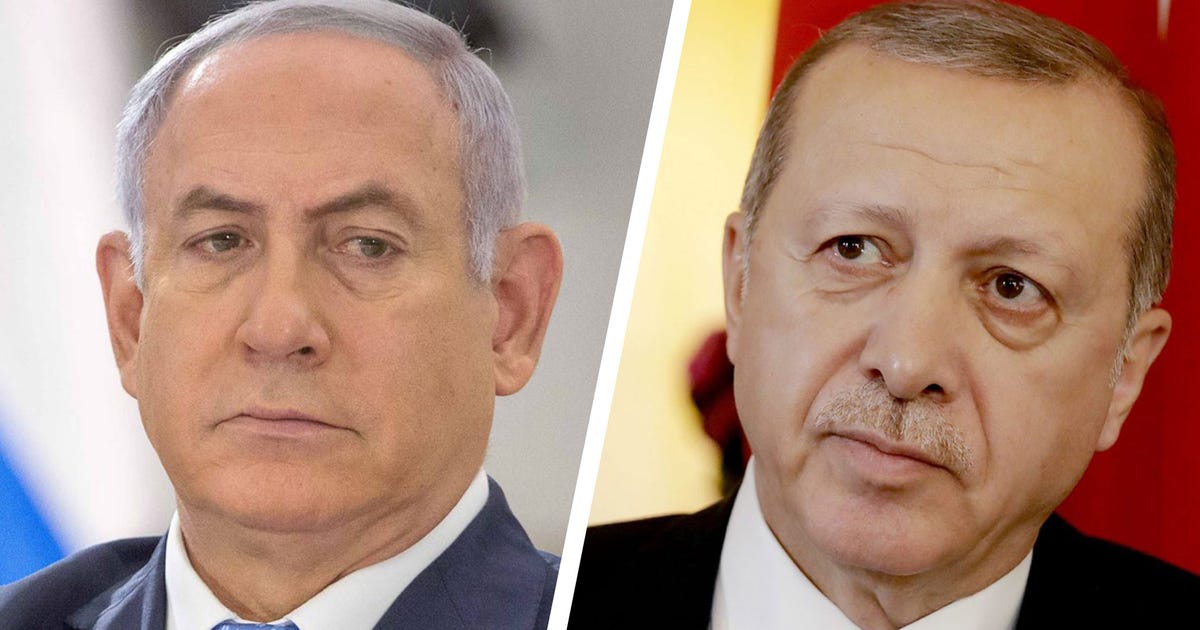
Creating a stable and secure environment requires more than military intervention. The importance of diplomacy and thoughtful policy cannot be ignored, especially as recent trends under Netanyahu’s leadership have shown a significant lack of focus in these areas.
The Shift in Strategy
As debates about military actions in Gaza or Lebanon intensified prior to the elections, Benjamin Netanyahu shifted his focus unexpectedly toward northern Syria, thereby creating a new front in his geopolitical strategy. This move not only complicates existing tensions but also raises questions about the impact on relationships with neighboring countries, particularly Turkey. The decision illustrates a clear pivot from a traditional focus on the Palestinian territories to a broader regional landscape.
The Role of Military Actions
Many advocates of military action believe that the use of force can achieve security goals quickly. However, history shows that such measures often backfire, breeding further hostility rather than resolving underlying issues. Bombing campaigns can create short-term impacts but they usually do not lead to sustainable peace. Instead, they can bolster extremist sentiments, prompting cycles of retaliation. To effectively counter threats, it’s crucial to integrate military strategy with diplomatic efforts, focusing on long-term solutions.
The Case for Diplomacy
Diplomacy is not merely an option but a necessity for establishing lasting peace. Open dialogues and negotiations can better address the root causes of conflict, as opposed to temporary military solutions. Engaging partner nations and even adversaries in discussions can pave the way toward frameworks for mutual understanding and trust. A lack of diplomatic initiatives risks further isolation, ultimately hampering security objectives. It is essential for Israeli leadership to recalibrate its approach, prioritizing negotiations alongside security measures.
Future Considerations
As the region continues to navigate through complex challenges, Israeli policymakers must recognize that a militaristic approach without diplomacy leads to instability. This leads to questions about Israel’s long-term strategy in the region. A focus on comprehensive peace agreements, economic collaboration, and conflict resolution mechanisms will be essential for fostering a more secure and prosperous environment. A shift toward collaboration, as opposed to confrontation, could redefine not only Israel’s stance but also its relations with its neighbors.
In conclusion, the current era demands a balanced approach that integrates both military readiness and diplomatic engagement. Only by valuing dialogue as much as defense can Israel create a sustainable path toward peace and security in an increasingly volatile landscape. Prioritizing these initiatives can transform the region’s future, establishing a foundation where security and cooperation prevail over conflict.