
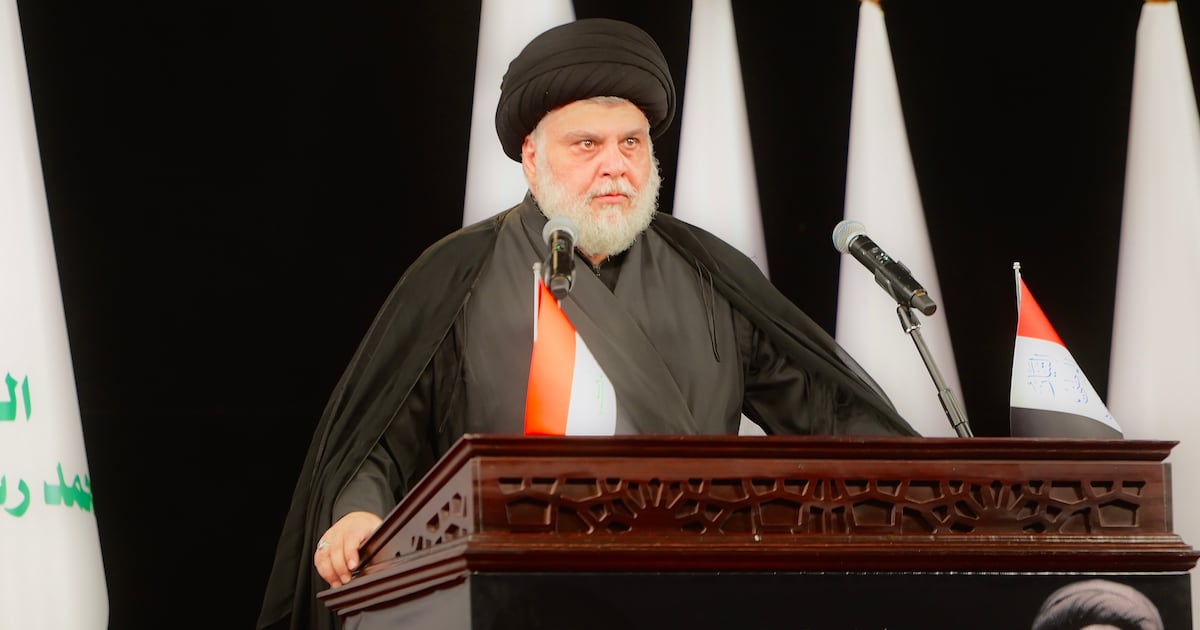
Moqtada Al Sadr, a prominent Shiite cleric, is intensifying his efforts to solidify a nationalist agenda aimed at distancing Iraq from regional conflicts and minimizing Iranian influence. This initiative comes at a pivotal juncture, particularly following the withdrawal of American troops from Iraq on September 30, which has changed the dynamics within the country.
Moqtada Al Sadr’s Political Shift
Al Sadr’s recent calls for a fresh chapter in US-Iraqi relations highlight his ambition to reshape the political landscape. Historically, he has been a formidable opponent of American forces during the occupation, but now he seeks to rebrand himself as an advocate for national unity. With a substantial base of loyal followers in Iraq, many of whom were formerly part of his armed factions, this transition presents both challenges and opportunities. On the very day US troops departed, he announced the dissolution of his armed group, the Promised Day Brigade, alongside Saraya al Salam (the Peace Brigades), which will now fall under the jurisdiction of the Iraqi government. This decision signifies a strategic pivot toward integrating previously armed factions into the formal security framework of Iraq.
Disarming Militias for State Control
Prime Minister Ali Al Zaidi has been active in urging the disarmament of all militia groups, signaling a major political shift in Iraq since the exit of foreign troops. Al Sadr’s evolution into a statesman figure reflects his commitment to uphold the state’s authority over armed forces, framing his rhetoric around keeping Iraq free from external entanglements. However, removing the underpinnings that allowed armed groups to operate unchecked will be a complex task. Despite the expectation for these groups to disarm by the original September 30 deadline, this timeline has been extended to June of the following year, underscoring ongoing tensions in this transition.
While many view Al Sadr’s latest moves as part of his longstanding nationalist campaign, there are practical concerns about how disarmament will occur and whether the loyalties of former militia members change once integrated into government institutions. Experts note that this change does not automatically dissolve the old chains of loyalty; instead, it may create a dual allegiance to both state and former militia leaders. Al Sadr’s vision for a politically engaged clerical leadership intertwines his goals of political activism with spiritual authority, presenting himself as a mediator in Iraq’s evolving landscape.
Regional Context and Challenges
Al Sadr’s approach also comes amid ongoing Iranian interventions in regional affairs through allied militias. As Iran continues to project influence, national movements across Iraq are increasingly distancing themselves from Tehran’s agenda. Observers note that while Iran backs various factions in its strategic interests, this often puts these groups at odds with Iraq’s national objectives.
By advocating for the state’s monopoly on violence, Al Sadr may not only be attempting to navigate Iraq away from external conflicts but also to solidify his credentials as a leading political figure. His aspirations for a balanced Iraqi state, free from foreign domination—especially from Iran—speak to his larger strategy. Achieving a robust and self-sustaining Iraq may require foreign powers, particularly the United States, to reassess their engagement in the region going forward.
A Future That Bridges Divides
Looking ahead, Al Sadr’s vision focuses on fostering an inclusive Iraq that commands respect on the world stage. His recent statements suggest a desire for cooperative international relationships, emphasizing shared interests over narrow political agendas. With his history of calling for an anti-corruption stance, Al Sadr aims to position himself strategically within the shifting political tide. Political analysts believe he has the potential for significant influence, but he will need to navigate opposition and foster broader cooperation among Iraqi leaders and factions as he moves forward. The balance of power in Iraq rests in creating a national identity that transcends sectarian divides and aligns with both local and regional aspirations for stability and peace.