
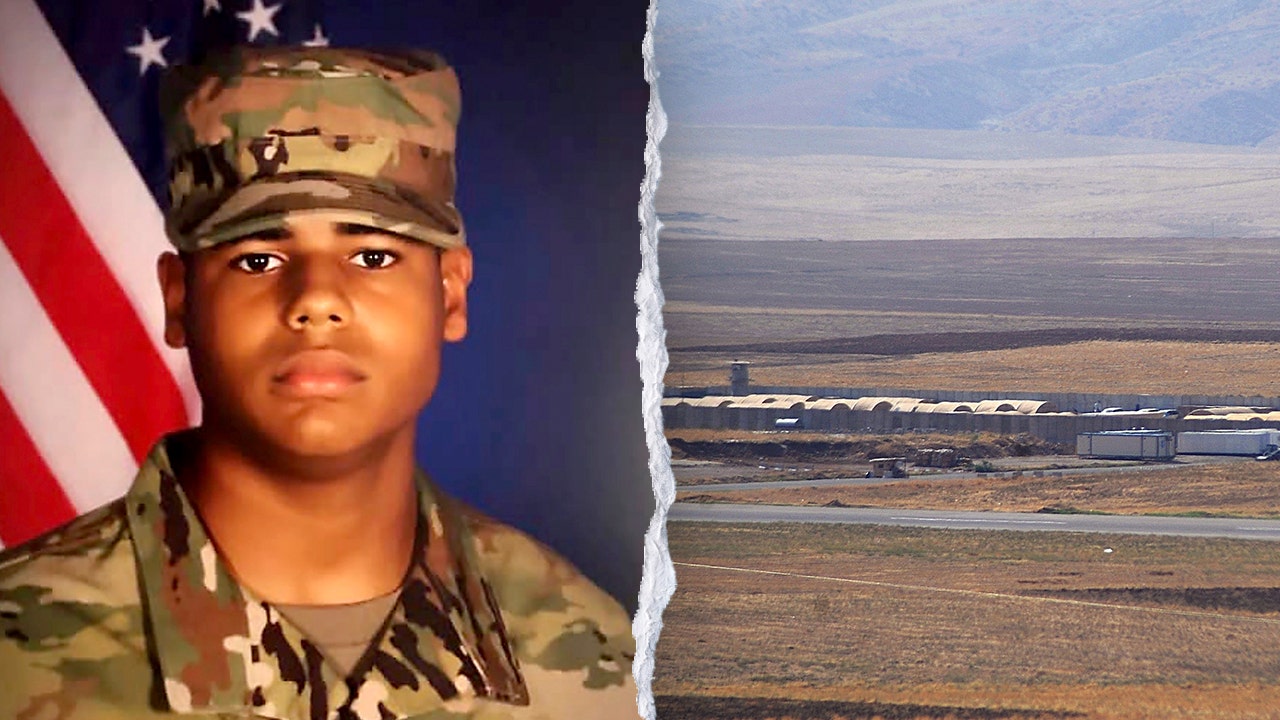
The escalating conflict with Iran has brought heavy casualties among U.S. service members, highlighting the perilous nature of military engagements in the region. President Trump has proposed an expansion of military operations as the U.S. grapples with the tragic loss of lives and rising tensions.
Casualties Among U.S. Armed Forces
The Army recently confirmed the death of Sgt. Michael Emmanuel Swinton, who was killed while executing a controlled detonation of an Iranian drone at Erbil Air Base in Iraq. This incident occurred as U.S. troops attempted to neutralize a threat posed by the downed unmanned aerial system. His death underscores the dangers that American forces face overseas and adds to the grim tally of U.S. fatalities in the ongoing conflict with Iran, now totaling 17. These casualties include fatalities resulting from Iranian aggressions, as well as incidents related to American military operations throughout the region.
The Pentagon announced that alongside Sgt. Swinton, First Lieutenant Tyler James Feehan, 25, and Private Isabella Gonzales, 19, were also identified as recent casualties. Both were killed in strikes attributed to Iranian forces during combat operations in Jordan, where U.S. and allied troops have been responding to increased threats from Iranian military activities. This situation raises alarming concerns about the safety of deployed personnel and the escalating tensions in the Middle East.
U.S. Response and Military Strategy
In light of these losses, President Trump has vowed to hold Iran accountable for each American life lost, stating, “Every time Iran kills an American Soldier, they will pay for that killing many times over.” This firm stance is intended to signal a robust military response and aims to reassure both service members and their families of the government’s commitment to their safety. The President has put military leaders, including Secretary of War Pete Hegseth and Chairman of the Joint Chiefs of Staff Daniel Caine, on alert regarding potential retaliation measures.
Since the conflict reignited, U.S. forces have launched targeted operations against Iranian military assets, aiming to dismantle their capabilities to conduct further drone and missile attacks. The recent military strategy, dubbed Operation Epic Fury, commenced on February 28, signaling a renewed U.S. commitment to counter Iranian aggressions in the region. This operation involves not only strikes on air defense systems but also addresses the broader Iranian infrastructure that supports hostile activities.
The Human Cost of War
The personal toll of war is vividly illustrated through the stories of service members like Sgt. Swinton. He had shown tremendous bravery and dedication, with military honors to be awarded posthumously, including the Bronze Star and Combat Action Badge. His commanding officers praised his commitment, stating that his legacy would inspire fellow soldiers to carry on their mission amid adversity.
Central Command reported that another service member remains unaccounted for, raising fears about additional losses. With more than 50,000 U.S. troops actively stationed in the Middle East, the military continues to face intricate and dangerous challenges as they work to mitigate threats from Iran and uphold U.S. interests.
As tensions remain high, the ongoing conflict serves as a somber reminder of the sacrifices made by service members in the name of national security. The need for a strategic and measured approach continues to be critical as the U.S. navigates this complex geopolitical landscape.