
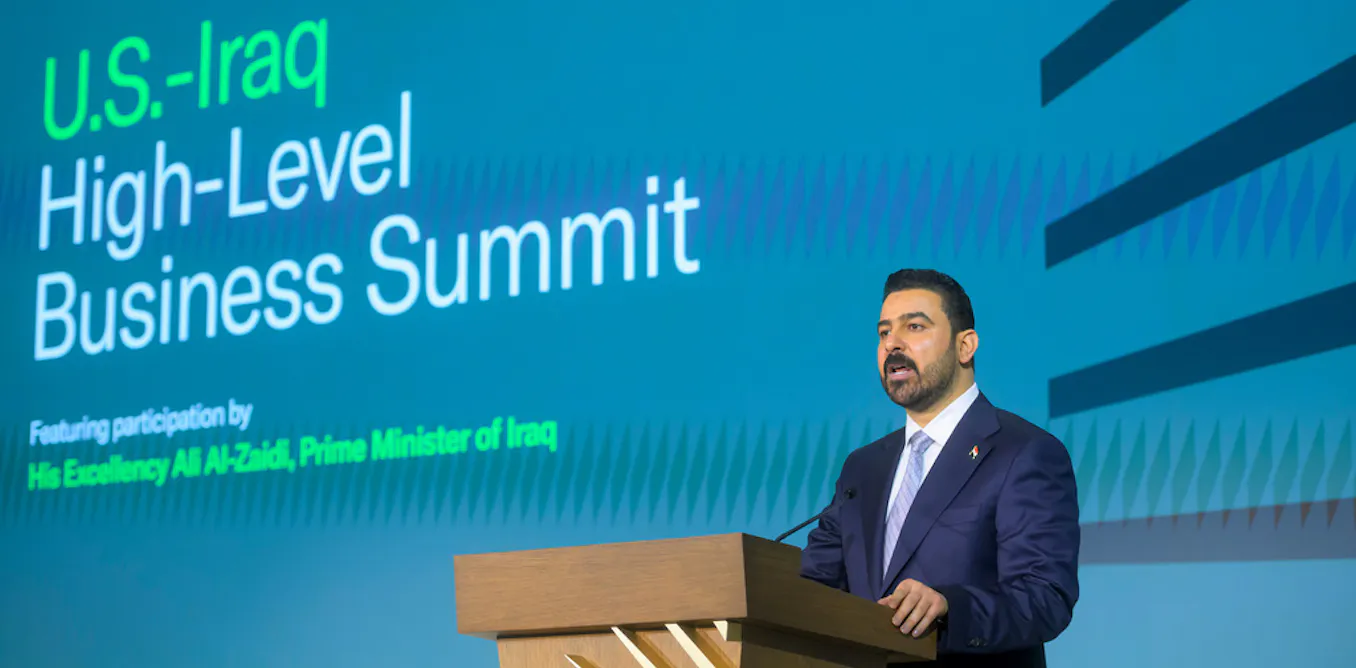
Iraqi Prime Minister Ali al-Zaidi is currently engaged in a dynamic diplomatic agenda, following his recent visit to the United States. His trip, which concluded on July 19, 2026, aimed to foster stronger ties with Washington and enhance Iraq’s standing on the global stage. This visit, characterized by meetings with key figures like President Donald Trump, sets the tone for an extensive regional tour including stops in Tehran and several Gulf states. Through these diplomatic endeavors, al-Zaidi seeks to bolster his government’s legitimacy and stimulate foreign investment in Iraq.
The Significance of the U.S. Visit
The recent U.S. trip stands as a pivotal moment for al-Zaidi’s administration, marking its first significant international engagement. The goals extend beyond strengthening U.S.-Iraq relations; they also aim to secure a dual relationship with Iran amid escalating tensions between Tehran and Washington. Iraq’s position as a mediator could play a crucial role in enhancing its diplomatic leverage, especially in light of renewed confrontations between the U.S. and Iran, as well as economic challenges like disruptions in the Strait of Hormuz.
During his visit, al-Zaidi engaged in high-level discussions boosting Iraq’s economic prospects, partnering with American corporations to modernize the country’s energy sector and infrastructure. These efforts reflect a broader U.S. strategy intent on reducing dependence on any single nation while fostering economic ties through trade and investment. This shift in focus towards comprehensive partnerships could reshape Iraq’s identity in both political and economic spheres.
Iraq’s Growing Diplomatic Importance
The recent stabilization of Iraq, following the degradation of the Islamic State, has allowed the country to play a more proactive diplomatic role. As the balance of power in the region evolves, Iraq’s geographical and strategic significance is becoming increasingly evident. With the waning influence of Iran-aligned groups in the region, Iraq emerges as a vital platform for military and economic cooperation, acting as a bridge for various competing powers including Tehran, the Arab Gulf states, and even China.
Tehran values its relationship with Iraq as essential for maintaining regional influence, especially amid pressures on its other alliances. For its part, the Gulf states view a stable Iraq as an opportunity for economic collaboration, seeking to invest in infrastructure and forge pathways for trade. This cooperative atmosphere signifies a departure from past fractious relations, opening channels of dialogue and integration that could benefit all parties involved.
The Road Ahead for Iraq
As Iraq positions itself as a strategic connector in a volatile Middle East, it must also navigate the complexities intrinsic to these relationships. While the potential for economic growth via foreign partnerships is vast, risks persist. The challenge lies in consolidating governmental authority and fostering the bureaucratic capacity required to manage these dynamic interactions effectively. Al-Zaidi’s initiatives to integrate non-state militias into the central government may test the durability of Iraq’s political landscape.
Moreover, the existing issues of corruption and fragmented governance threaten to undermine Iraq’s ability to leverage its strategic relationships fully. If Baghdad cannot convert its geopolitical importance into enduring national prosperity, it risks falling into a cycle of dependence on foreign powers.
Ultimately, navigating this intricate web of relationships—while asserting sovereignty—will be critical for Iraq’s future. As regional and global dynamics shift, the nation’s diplomatic efforts will play a vital role in shaping its trajectory, with implications that ripple across the Middle East. Balancing varying interests while reinforcing institutional strength will be the key to securing Iraq’s place in a rapidly evolving geopolitical landscape.