
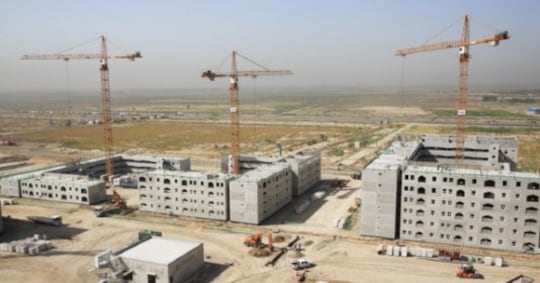
In a significant development affecting South Korean enterprises, the Iraqi government has offered a crude oil settlement to address outstanding debts totaling 565 billion won. This proposal comes as a relief for companies that have been waiting for compensation for services rendered in defense and construction sectors.
The Financial Impact on South Korean Companies
The substantial amount owed by Iraq has been a pressing concern for various South Korean companies involved in extensive projects across the nation. The debts are primarily linked to contracts relating to military and infrastructure development, which have yet to be fulfilled. As these companies navigate financial challenges due to delayed payments, the proposed settlement through crude oil may provide a much-needed lifeline. With the market for crude oil fluctuating, the arrangement’s success will depend on current pricing and supply conditions, which adds an element of unpredictability to the overall situation.
Understanding the Proposed Settlement Structure
The Iraqi government’s offer entails a unique solution for settling these debts. By proposing crude oil as a form of payment, they aim to convert outstanding monetary obligations into physical assets. This method is strategic; it alleviates immediate cashflow issues for Iraq while offering South Korean firms a tangible commodity that can be sold on international markets. However, this approach necessitates careful negotiation and clear terms to ensure that both parties benefit from the settlement. The success of this arrangement largely relies on mutual agreement on oil pricing and delivery logistics.
Potential Benefits and Challenges for Both Parties
Accepting crude oil as payment can offer numerous advantages for South Korean firms, including enhanced liquidity. By receiving oil, these businesses may find the opportunity to manage their cash flow more effectively, especially during periods of economic uncertainty. However, they also face challenges. Fluctuations in global oil prices may affect the value of the settlement, and the logistics of transporting crude oil can be complex. Companies will need to conduct thorough due diligence to ascertain whether this arrangement aligns with their long-term financial strategies.
The Broader Implications for International Trade Relations
This development reflects a broader trend in international trade relationships, particularly in how nations negotiate debt settlements. It highlights the potential for innovative solutions to resolve longstanding financial disputes while also showcasing the pivotal role of oil in international commerce. For South Korea, this situation may trigger more discussions about future engagement in Iraqi markets, influencing not only economic ties but also diplomatic relations. Both countries will need to carefully navigate this agreement to enhance their partnership and ensure mutual benefits in years to come.
In conclusion, the Iraqi government’s proposal for a crude oil settlement represents a critical juncture for South Korean firms awaiting payment. This innovative approach has the potential to resolve financial tensions, but it also prompts a need for meticulous planning and negotiation. As both parties consider the ramifications of this arrangement, the focus is likely to shift toward implementing strategies that promote stability and growth in their ongoing relationship.