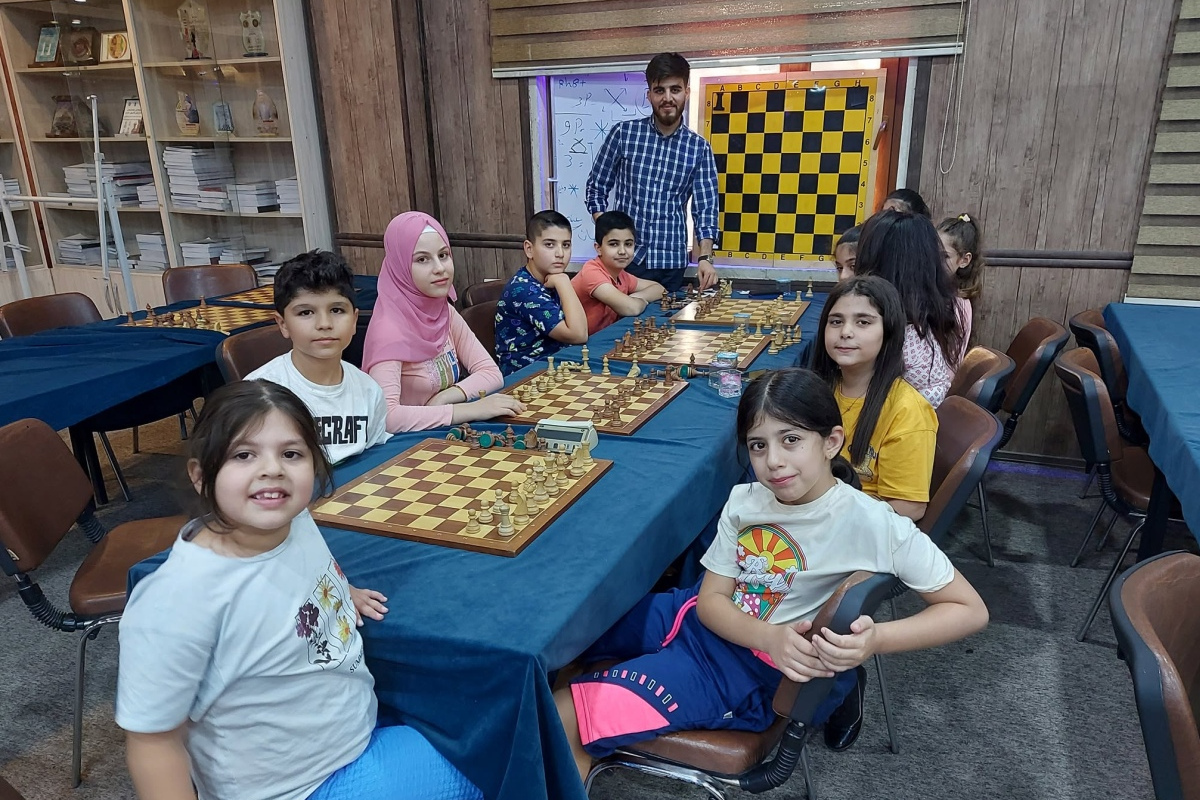
Chess has officially become part of the school curriculum in the Kurdistan Region of Iraq, marking a remarkable advancement in chess education. This initiative is a collaboration between the Khanzad Chess Club and the Kurdistan Regional Government’s Ministry of Education, bolstered by the support of the Iraqi Chess Federation. The project aims to harness the educational advantages of chess, promoting critical thinking, focus, creativity, discipline, patience, and problem-solving skills among students.
Collaboration for Success
This initiative stems from a collective effort among educational bodies, chess organizations, and professionals in the field. The Khanzad Chess Club has been instrumental in developing the program and designing educational materials. Under the guidance of Dr. Dlzar Hamasalih Qadir, the club created a specialized curriculum and educational content tailored for the “Chess for Schools” project. This collaborative work has transformed the idea of integrating chess into the classroom into a comprehensive educational program that benefits both students and teachers.
A significant breakthrough occurred when the Kurdistan Regional Government’s Ministry of Education decided to feature chess as part of the educational programs for students in grades 7, 8, and 9. This initiative includes a detailed 15-page section on chess in the official Physical Education Teacher’s Guide, equipping educators with resources necessary for effective implementation.
Preparing Educators for the Challenge
Before introducing the curriculum in schools, considerable attention was devoted to training educators. A week-long training course was organized for 150 Physical Education teachers in Erbil, hosted by Khanzad Chess Club. This training was conducted by international trainers from the club in partnership with the Ministry of Education. Upon completion, teachers received certification, ensuring they are well-equipped to guide students in the game of chess.
The Iraqi Chess Federation played a pivotal support role by fostering ongoing encouragement and collaboration in the project. Their involvement has been essential in enhancing chess education and activities across Iraq, facilitating access to the game for young people.
Implementing “Chess for Schools”
With the curriculum ready and teachers trained, the “Chess for Schools” project is now underway in various schools within the Kurdistan Region. Students are experiencing chess as part of their academic journey, grasping the fundamentals of the game while developing essential intellectual and personal skills, which extend far beyond the chessboard.
For the participants, this program offers more than just an introduction to the game; it cultivates abilities to analyze circumstances, weigh different options, make informed decisions, and appreciate the virtues of patience and responsibility—skills that are valuable in both academic and everyday settings.
The collaboration between the Kurdistan Regional Government’s Ministry of Education, Khanzad Chess Club, and the Iraqi Chess Federation illustrates how chess organizations and educational authorities can successfully work together to integrate chess into classroom settings. This partnership lays a robust foundation for the continuous advancement of chess education in the Kurdistan Region.
A Bright Future for Chess Education
The inclusion of chess in the school curriculum represents a notable achievement for the Kurdistan Region, as well as a hopeful development for chess education in Iraq. It showcases how a visionary educational strategy, enhanced through collaboration between government bodies and chess organizations, can provide the immense benefits of chess to a larger student audience.
As chessboards find their place in classrooms, they open new avenues for young learners’ development. With each move, students learn to think critically, consider consequences, learn from errors, and face challenges with patience and confidence. Thus, chess can evolve beyond a mere subject taught in schools; it can become a lasting source of knowledge, creativity, and inspiration for future generations.