
The ongoing energy crisis, partially fueled by geopolitical tensions including the conflict with Iran, has led to a significant surge in fuel prices across Syria, Iraq, the Kurdistan Region, and Turkey. This rise extends beyond the oil and gas markets to impact transportation, food production, electricity supply, and the overall cost of living. The escalating situation underscores that even countries rich in energy resources are not shielded from the global repercussions of an energy crisis.
Recent Protests in Syria
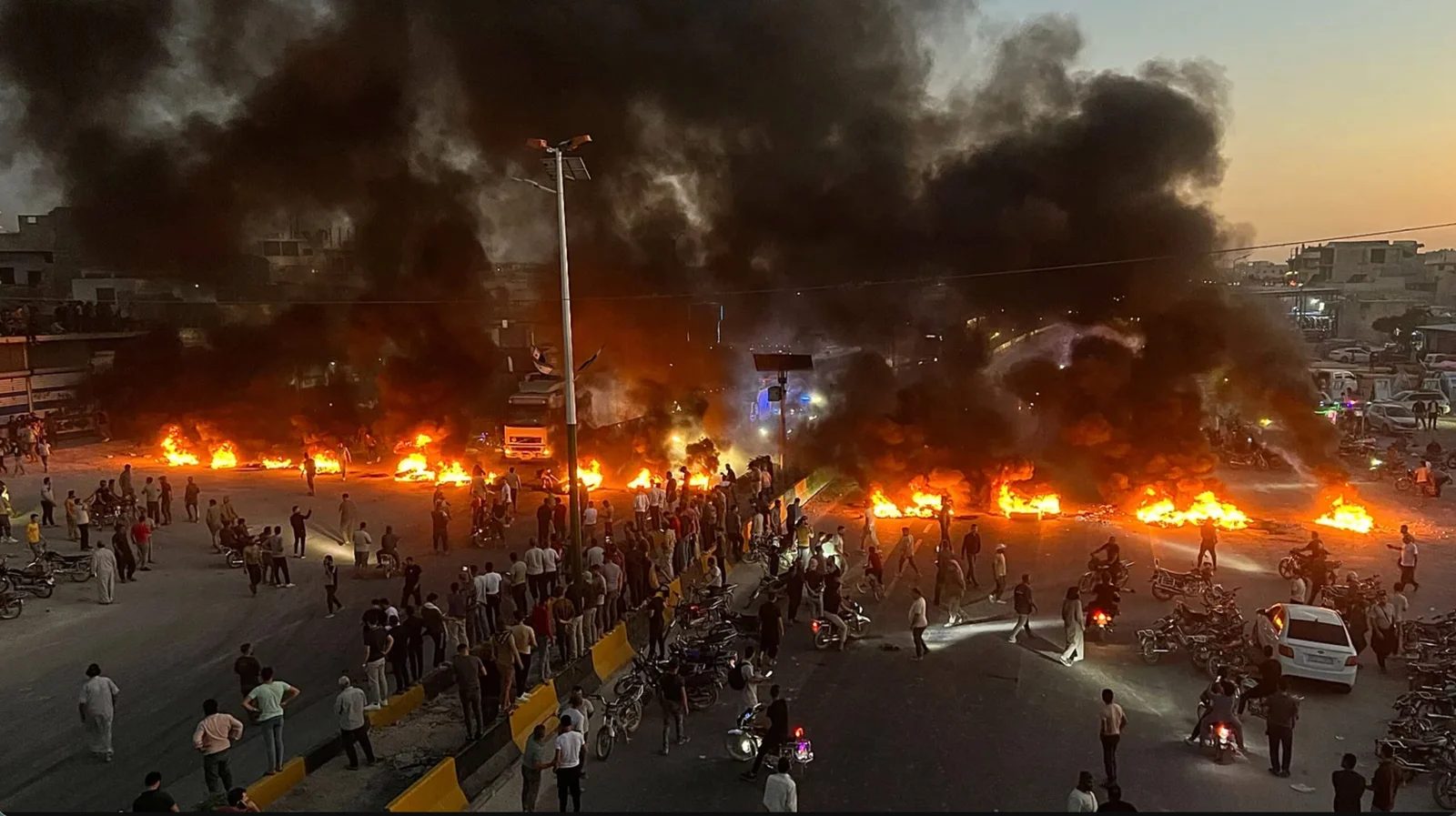
On September 14, Syria experienced its largest protests since the fall of Bashar al-Assad in December 2024. A dramatic 40% hike in regular diesel prices—from 125 to 175 Syrian pounds per liter—mobilized citizens across the country. Demonstrators took to the streets, setting tires ablaze and blocking major routes like the Damascus-Aleppo highway. This price increase wasn’t merely a standalone event; rather, it was part of a worrying trend, as diesel prices had already more than doubled since February. The repercussions were stark: truck drivers halted their operations, and bakeries in regions like Hasakah closed down because the new diesel prices made them economically unviable.
In an attempt to quell the unrest, the Syrian government reverted part of the price hike by September 17, instituting a lower price for certain sectors. Nevertheless, citizens continued protesting, connecting soaring diesel costs to rising bread prices, transportation expenses, and heightened electricity generation costs, leading to widespread discontent across various regions.
The Broader Impact Across the Region
The upheaval in Syria reflects a regional pattern. Neighboring Iraq and Turkey also faced sharp fuel price increases during the same week. In Iraq’s Muthanna province, farmers protested the diesel price surge from 400 to 1,250 dinars per liter. Meanwhile, in Turkey, the cost of diesel exceeded 100 lira per liter for the first time, representing a 66% rise since February. This interconnected struggle manifests a common sequence: rising energy prices spark increased transportation costs, which lead to inflated goods and services, thereby placing economic pressure on households and igniting protests.
Diesel fuel is unique in its far-reaching effects; its price spike directly influences the entire economic chain, impacting transportation, agriculture, power generation, and everyday consumer prices. The ongoing energy crisis raises a pressing concern: if fuel is unavailable, economic activity grinds to a halt, as seen in various protests across Iraq and Turkey where citizens express their frustrations over both increased prices and shortages.
Economic Ramifications and Policy Responses
Despite Iraq’s status as OPEC’s second-largest oil producer, the country has not been immune to the crisis. The government has sought to stabilize fuel prices, yet recent cuts in subsidies have led to a surge in diesel prices and subsequent protests from farmers. In places like Babol, the cost of fuel for brick kilns soared, halting production and inflating costs for basic materials. The government faces a dual challenge: maintaining consumer fuel prices while simultaneously addressing growing fuel shortages exacerbated by regional conflicts.
Turkey, on the other hand, has managed to maintain relative stability, avoiding severe fuel shortages. Nevertheless, significant price increases have persisted, undermining household financial stability. The Turkish government has attempted various measures, including tax reductions on diesel, yet the reliance on imports means that global fluctuations directly impact domestic markets. The lessons from Turkey serve to illustrate that financial prowess does not absolve countries from the true costs of an energy crisis.
In summary, the current energy crisis is not confined to one nation but resonates across the region. Rising energy prices are generating inflationary pressures that can stifle growth. This multifaceted crisis could potentially escalate if regional conflicts and global market disruptions persist, multiplying the challenges faced by governments striving to stabilize their economies and protect their citizens from the fallout of soaring energy costs.