
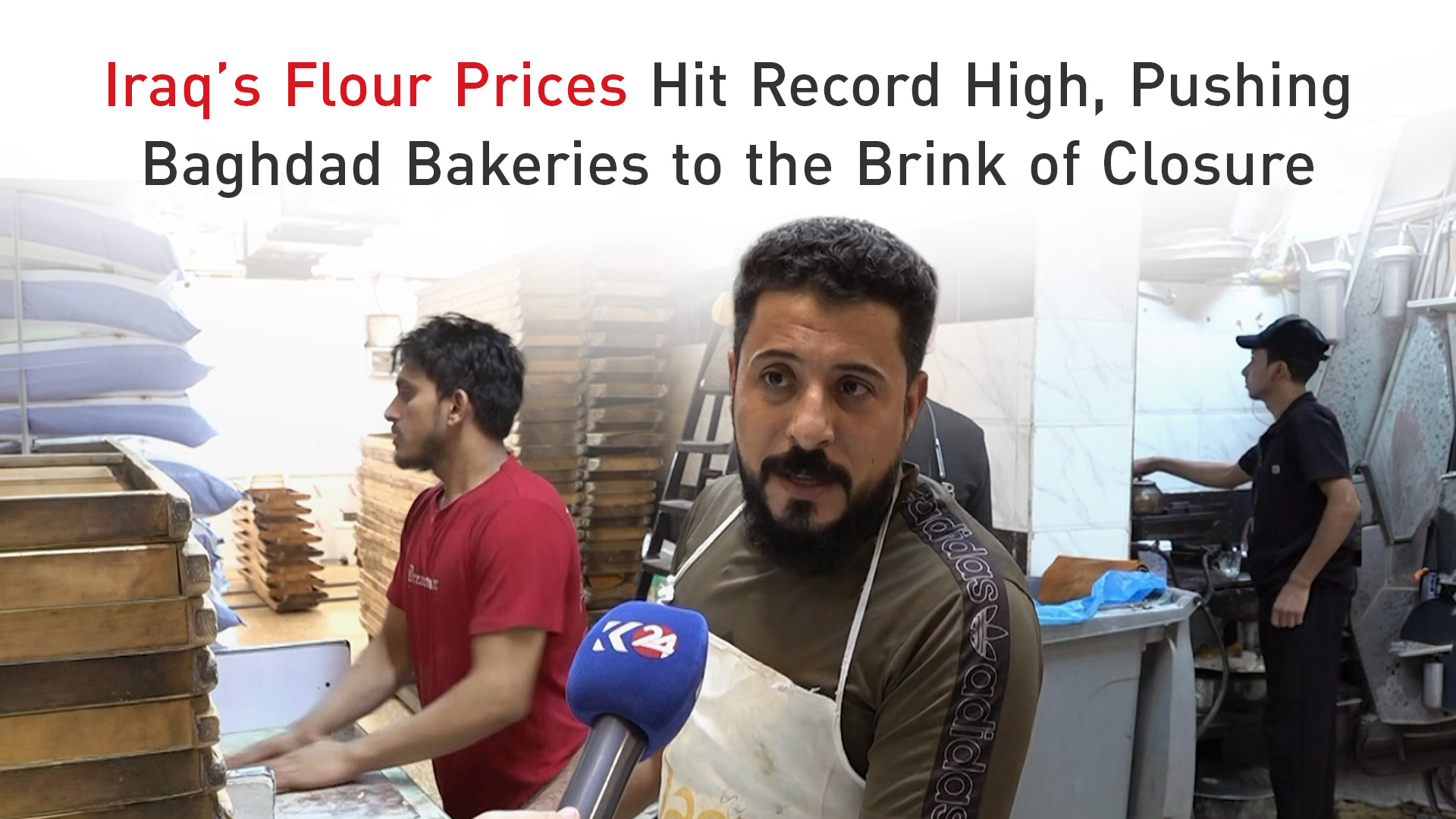
Flour prices in Iraq have skyrocketed, raising alarm among bakery owners in Baghdad. This surge in costs is forcing businesses to reconsider their bread production strategies, affecting both the bakery industry and consumers. As the value of the Iraqi dinar continues to decline, bakeries face difficult choices that could impact many households.
Soaring Flour Prices Affect Bakeries
The price for a 50-kilogram sack of flour has recently jumped to 40,000 Iraqi dinars, up from approximately 36,000 dinars. This rise has occurred in tandem with the dinar’s depreciation against the US dollar. Bakery owners have expressed concern over the sustainability of their operations if costs keep escalating. For example, Ali Muaz, a bakery owner in Baghdad, articulated how overwhelming the increases have become. He stated that selling six loaves of bread for 1,000 dinars is now unfeasible, given the rising rent and wages he must cover.
Muaz shared that he has so far absorbed the additional costs rather than transferring that burden onto his customers. However, he warned that if flour prices climb to 44,000 or 45,000 dinars next month, he would be left with no choice but to close his business. The situation underscores the financial strain bakery owners are experiencing as they strive to maintain price levels while contending with rising operational expenses.
Impact on Consumers: Rising Costs and Reduced Portions
The effects of increasing food prices extend beyond just bakeries; households across the region are feeling the financial pinch. Hamid Adel, a resident of Baghdad, noted that the money that used to suffice for his essentials no longer covers the same items. He remarked, “I used to buy my necessities for 100,000 dinars. Now, that amount isn’t enough, and the cost has risen to 120,000 dinars or more.” This shift is creating significant stress for families that are already grappling with higher living expenses.
In response to these challenges, some bakeries have implemented adjustments like reducing the size of bread loaves or lowering the number of pieces sold for 1,000 dinars from six to five. While this strategy helps them manage rising flour costs without directly raising prices, it ultimately means consumers are receiving less product for their money. This trade-off highlights the delicate balance small bakeries must maintain between rising costs and customer satisfaction.
The Broader Economic Landscape and Challenges
The spike in flour prices is part of a larger trend concerning the declining purchasing power of the Iraqi dinar. When the dinar loses value, the cost of imported goods and essential production inputs rises, exacerbating inflation. Although it’s unclear exactly how much the currency fluctuations specifically contribute to flour price hikes, both bakery owners and consumers suggest that there is a direct correlation between the dinar’s weakening and the overall spike in food prices.
In Iraq, bread is a daily staple for many households, making fluctuations in flour prices particularly impactful. As production costs rise, bakers face tough decisions. They can either absorb the financial losses, increase prices, produce smaller loaves, or even contemplate shutting down their operations. For families, the result is a decreasing purchasing power, leaving them with less disposable income for other essential expenses.
As the economic strain continues, the rising cost of flour not only poses a threat to individual bakeries but also places additional stress on household budgets. If prices do not stabilize soon, this situation could lead to greater affordability issues for basic food items across Iraq. The consequences of these rising costs may soon reach far beyond the bakery sector, affecting the well-being and financial stability of countless families.