
Iran’s Influence Over Iraqi Disarmament Plans
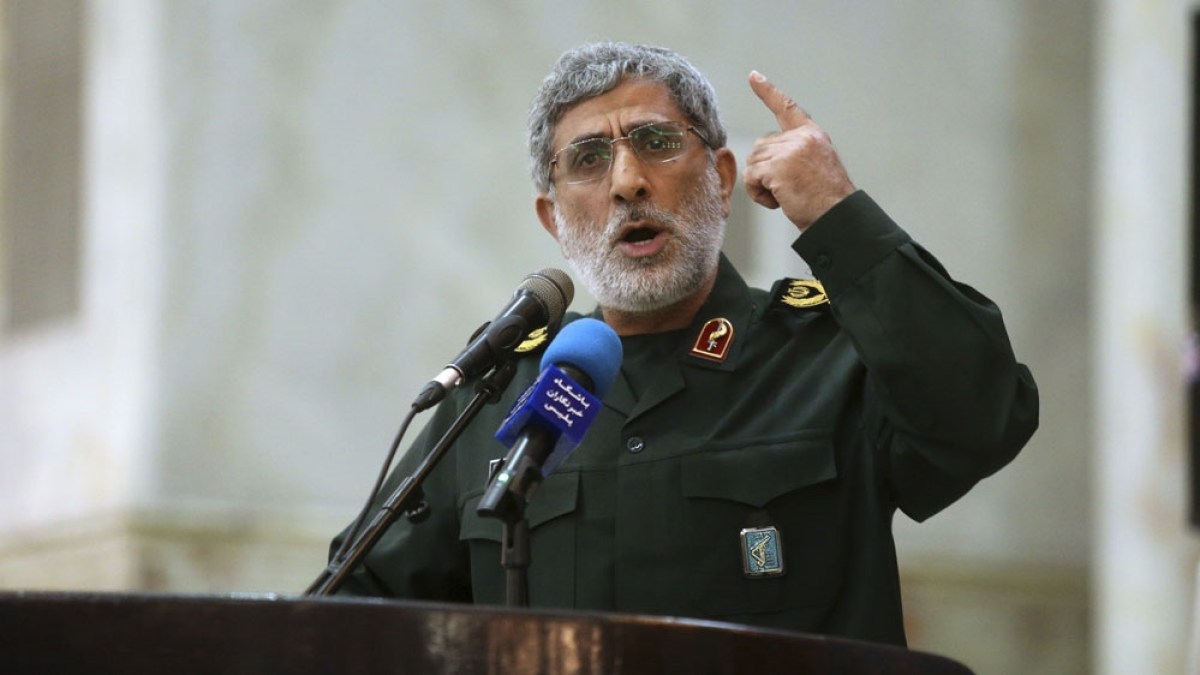
Esmail Qaani, the leader of the Quds Force within Iran’s Islamic Revolutionary Guard Corps (IRGC), recently visited Baghdad to engage in discussions surrounding the Iraqi government’s intention to disarm armed groups while consolidating weapon control under state authority. This meeting comes as Iraq faces pressing political and security challenges, particularly with a looming deadline to enforce state monopolization of arms.
Unannounced Visit and Diplomatic Mission
During his visit, Qaani met with key Iraqi political figures, security officials, and leaders from Shia paramilitary factions. Reports suggest that he communicated Tehran’s position, emphasizing reluctance to disarm these factions at this time. The source, who preferred to remain anonymous, indicated that Iran believes the risk of renewed conflict is significant. The Iranian message strongly advocated for achieving a political compromise to avoid escalating tensions between the Iraqi government and armed factions resistant to relinquishing their weapons. Iraqi political parties largely oppose the use of force to implement disarmament, pushing for dialogue instead.
Iraqi Prime Minister Ali al-Zaidi is navigating a political quagmire as the September 30 deadline to confine all weapons within the state approaches. In his address to parliament, he stressed the importance of adhering to a deal established with the U.S.-led coalition aimed at removing combat forces from Iraq by the end of the month. This push for arms regulation aligns with discussions during al-Zaidi’s recent visit to the United States, where he sought to reinforce Iraq’s stance and relationship with both the U.S. and Iran.
Challenges of Armed Groups
To tackle the pressing issue of unregulated arms, al-Zaidi urged the Security and Defence Committee to draft legislation aimed at limiting weapons to state control, warning that uncontrolled weapons pose a grave danger to state authority and security institutions. Although some armed factions have agreed to integrate into official state forces, groups like Kataib Hezbollah and Harakat al-Nujaba remain defiant. Their resistance threatens to undermine the government’s disarmament efforts.
In a meeting earlier this month, the State Administration Coalition expressed the necessity of restricting weapons to state control. The coalition categorized any activities that compromise national security, conducted outside official institutions, as unlawful and worthy of stringent action. There were hints at applying the Anti-Terrorism Law against armed activities post-deadline, indicating a strong political will to enforce control.
As tensions escalate, some Shia leaders are working to de-escalate the situation. Ammar al-Hakim, leader of the Hikma Movement, is reportedly attempting to rally support among factions to adhere to disarmament regulations before the deadline. The complex interplay of domestic politics and the need for regional security pressures Iraqi leadership as they grapple with these armed factions.
Implications for Regional Security
According to Ghazi Faisal, head of the Iraqi Center for Strategic Studies, the decision by Iraqi factions to retain their arsenal could escalate into a larger security crisis. He warns that the use of Iraqi territory by these factions to target neighboring countries could provoke a response, resulting in the formation of new security arrangements to counter the perceived threats. Such dynamics would compel Gulf nations to consider addressing these armed factions as part of broader regional security, rather than merely as elements of Iraqi political life.
To preserve national security, it is imperative for Iraq to establish a firm principle of weapon restriction and ensure that the authority to declare war and peace is confined to constitutional institutions. As seen in recent weeks, tensions have escalated due to provocations, including joint U.S.-Saudi strikes against Iran-aligned forces in Iraq. The Iraqi government’s ongoing diplomatic efforts aim to mitigate these tensions, highlighting the urgent need for a sustainable solution to the armed factions’ influence within Iraq.