
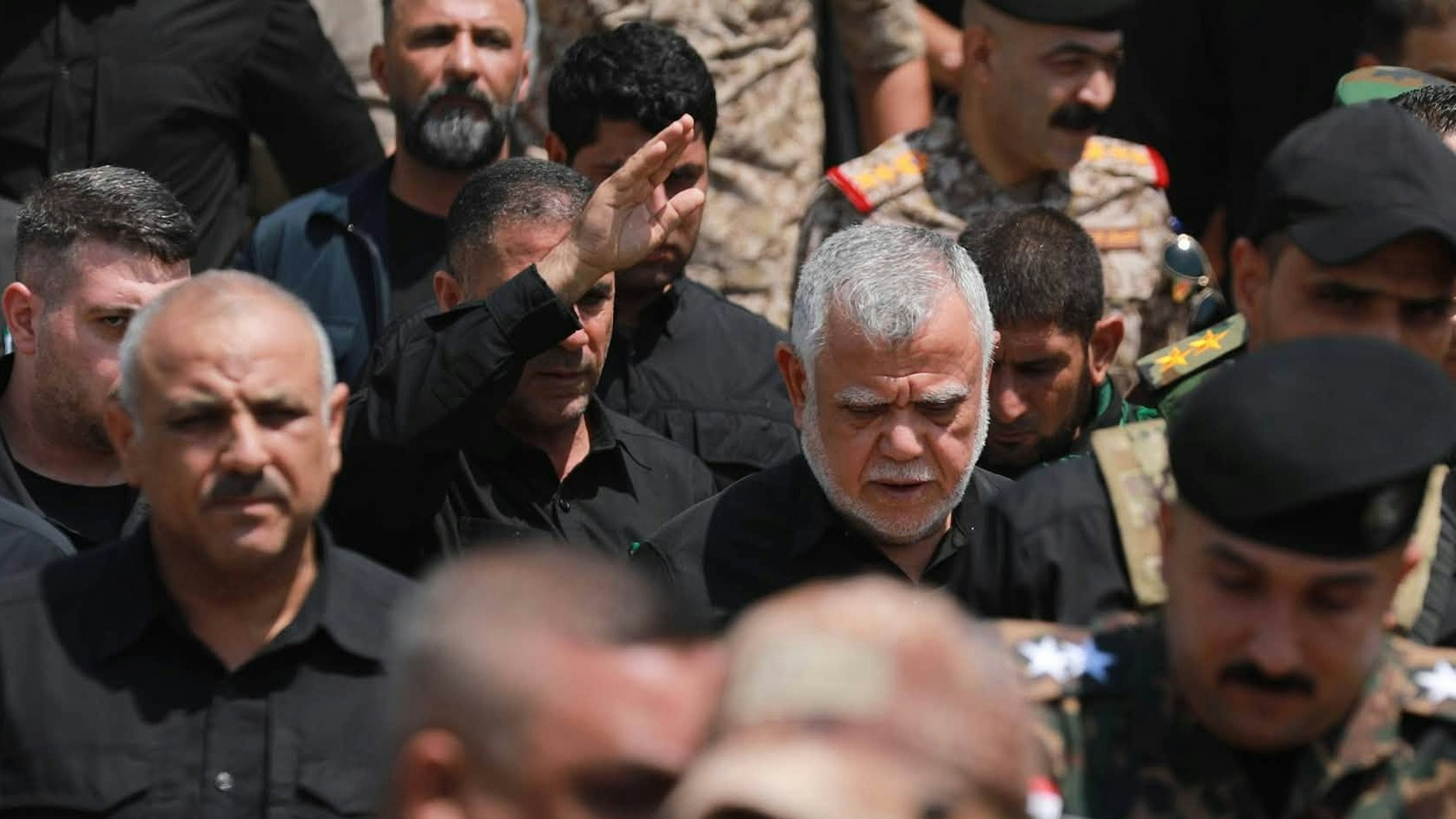
The situation in Iraq’s political landscape has become increasingly complex, particularly concerning security sector reforms. A recent meeting of the ruling State Administration Coalition illuminated significant internal conflicts, especially within the Shiite factions, as the government approaches a crucial deadline for disarming various armed groups.
Tensions at the State Administration Coalition Meeting
During a particularly charged session on August 5, Prime Minister Ali Al-Zaidi reportedly clashed verbally with Hadi Al-Ameri, head of the Badr Organization. This confrontation highlights a growing rift among Shiite factions, raising concerns over their unity in the face of pressing governmental reforms. As factions prepare for the disarmament deadline, the manifestation of discord during high-level discussions indicates deeper geopolitical implications for Iraq.
The Disarmament Deadline
Although publicly, the timeline for disarmament seems established, with government spokesman Haidar Al-Aboudi claiming that all factions have been adequately briefed, the underlying tensions complicate the process. The impending deadline is a significant milestone aimed at reducing the influence of paramilitary groups in the political sphere. However, the apparent discord may hinder efforts to achieve a cohesive approach among the involved parties.
The Role of Factional Politics
The ongoing disagreements reveal potential complications within the broader framework of Iraqi governance. The Badr Organization’s involvement signals a critical battleground for Shiite dominance. While the government’s plan aims to rein in armed militias and solidify state control, the infighting risks fragmenting the political landscape even further. The implications of a divided Shiite front could reverberate across security operations and governance, potentially jeopardizing stability.
The Future of Security Sector Reform
If these tensions are not addressed, they could delay the essential reforms needed for establishing a more effective security sector. As factions prepare to confront the government’s ultimatum, a unified front may be crucial in disarming effectively and fortifying the political structure against external influences. Fostering dialogue and finding common ground will be essential for moving forward and ensuring that the political landscape in Iraq remains stable.
In summary, the recent discord within the State Administration Coalition reflects underlying issues that could significantly impact security sector reforms in Iraq. As the government approaches its deadline for disarmament, addressing the rift among Shiite factions is critical for enhancing stability and laying a foundation for effective governance. The outcome of this conflict will not only affect the political arena but also the broader landscape of security within the nation.